
Table of Contents
Avocados: The Versatile Superfood
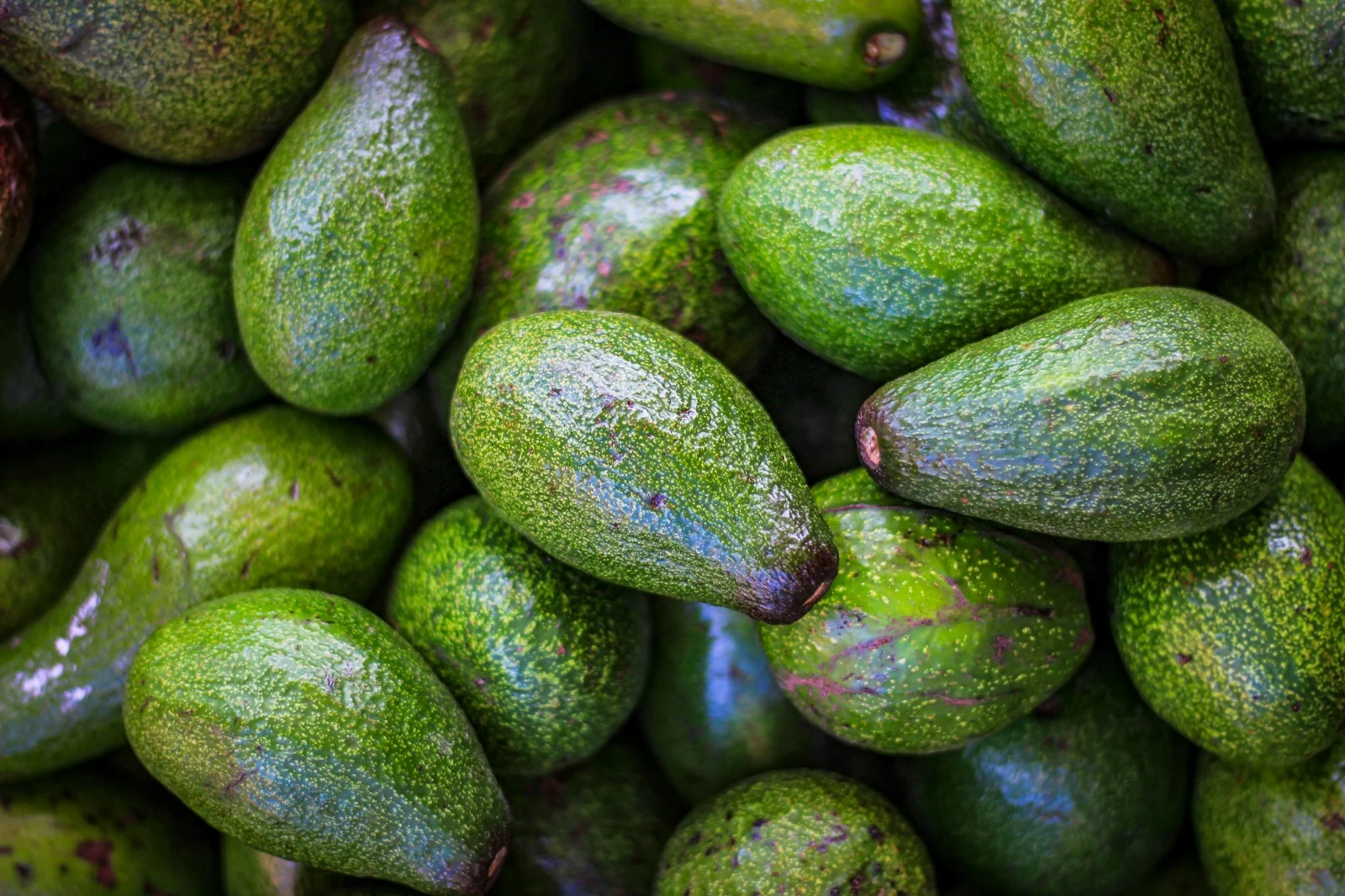
VarietiesAvocados (Persea americana) come in hundreds of varieties, categorized into three main types: Mexican, Guatemalan, and West Indian. Popular cultivars include:
- Hass: The most common, with pebbled skin turning purple-black when ripe; creamy, nutty flesh.
- Fuerte: Smooth, green skin; milder flavor, watery texture.
- Bacon: Thin skin, pale flesh; low oil content, ideal for salads.
- Reed: Large, round, with thick skin; rich, buttery texture.
Texture & UsageAvocados range from silky-smooth (Hass) to slightly fibrous (Lamb Hass). Their creamy texture and neutral flavor make them adaptable:
- Culinary: Guacamole, salads, smoothies, sushi, or as a butter substitute.
- Non-culinary: Skincare products (oil) due to high fat content.
NutritionA 100g serving provides:
- Healthy fats: 15g monounsaturated fats (heart health, cholesterol control).
- Fiber: 7g (digestive health).
- Vitamins: Rich in K, C, E, B5, B6, and folate.
- Minerals: Potassium (more than bananas), magnesium.Low in carbs, they’re keto-friendly and support brain function, skin health, and inflammation reduction.
Recipes
- Classic Guacamole: Mashed Hass avocados, lime, onion, cilantro, tomato.
- Avocado Toast: Smashed avocado on sourdough with poached eggs, chili flakes.
- Smoothies: Blended with spinach, banana, almond milk.
- Desserts: Chocolate mousse (avocado base) or ice cream.
Global Cultivation & Distribution
- Top Producers: Mexico (45% global supply), Dominican Republic, Peru, Colombia, Indonesia.
- Climate: Thrives in subtropical regions with well-drained soil.
- Export: U.S. (California, Florida), Chile, and Kenya are key exporters. Mexico dominates U.S. imports, especially for Hass.
Trends
- Demand Surge: Driven by health trends (keto, vegan diets) and social media (avocado toast).
- Sustainability Concerns: Water-intensive cultivation sparks interest in drought-resistant varieties.
- Innovation: Avocado oil (high smoke point), snacks (chips, powder), and beauty products.
- Fair Trade: Ethical sourcing gains traction amid labor and environmental critiques.
ConclusionAvocados’ nutritional profile, culinary flexibility, and cultural ubiquity (from Mexican cuisine to global brunch menus) cement their status as a modern superfood. As demand grows, balancing production with sustainability remains critical. Whether mashed, sliced, or blended, avocados continue to shape global food trends and diets.