
Table of Contents
- Global Varieties
- Colors, Flavor, and Taste
- Nutritional Profile
- Cultivation & Challenges
- Major Producers, Processors & Traders
- Byproducts & Innovations
- Storage & Freezing
- Culinary Uses
- Home Farming & ROI
- Cashew Apple: The Forgotten Fruit
- Western Acceptance
- Challenges
- Conclusion
Cashew Nuts: The Tropical Treasure – A Comprehensive Guide
IntroductionThe cashew nut (Anacardium occidentale), native to Brazil, is a globally cherished snack and culinary ingredient. While the nut itself is famous, the cashew apple (fruit) and its byproducts—like Goa’s fiery Fenni liquor—highlight its versatility. From nutrient-rich diets to industrial applications, cashews drive economies in tropical regions, with Kerala’s Kollam district reigning as India’s cashew processing capital.
Global Varieties
Cashew cultivars vary by region and use:
- Brazilian Giant: Large nuts, high yield, grown in Brazil and East Africa.
- Vengurla-4 (India): Drought-resistant, popular in Maharashtra and Kerala.
- Vietnamese Yellow Cashew: Small, sweet nuts ideal for roasting.
- Tanzanian W-180: Premium "white whole" nuts for gourmet markets.
- Dwarf Cashews (e.g., Anacardium nanum): Compact trees for small farms.
Colors, Flavor, and Taste
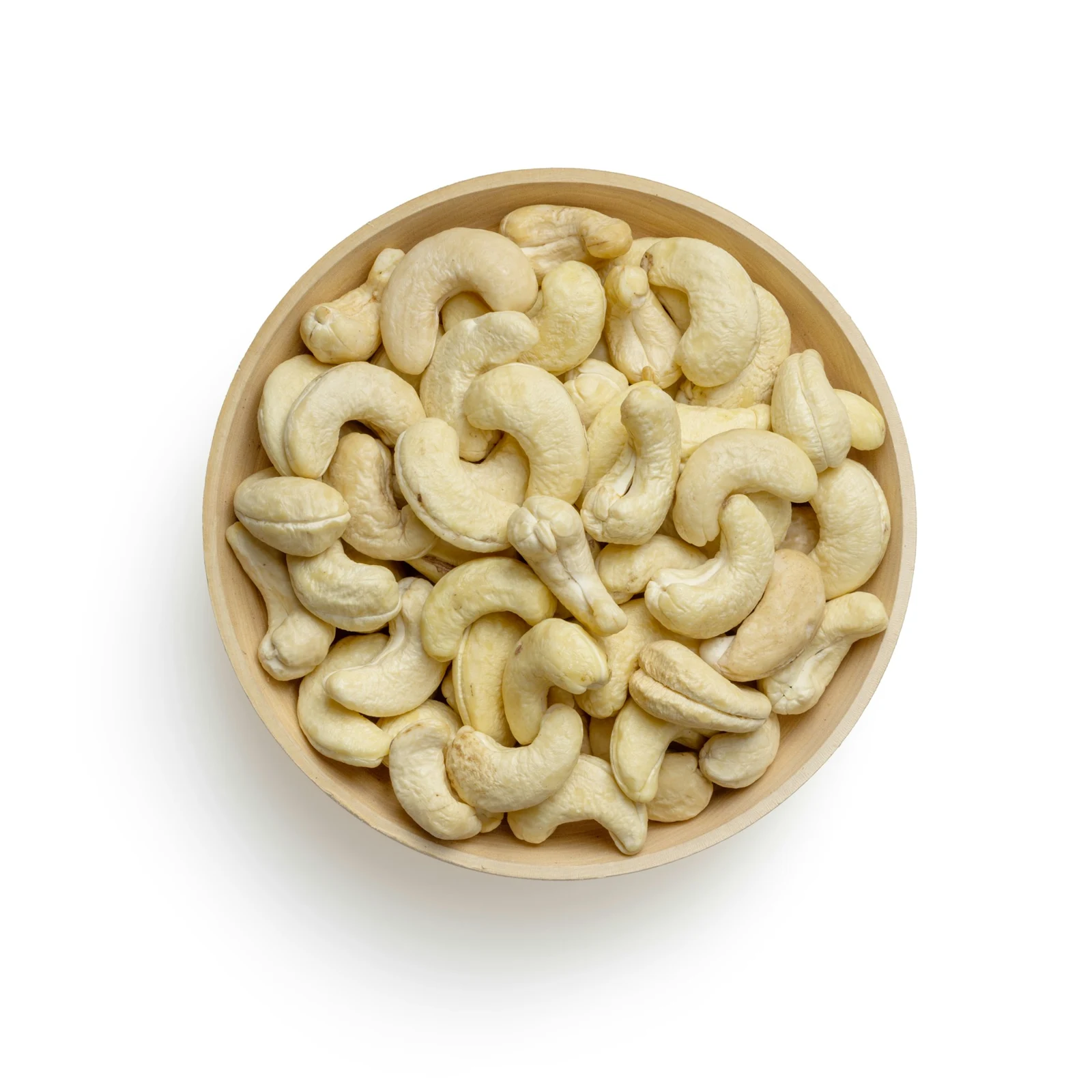
- Cashew Nut: Creamy white when shelled; roasted turns golden-brown.
- Cashew Apple: Yellow, red, or orange; juicy with a sweet-sour taste.
- Flavor: Nuts are buttery, mildly sweet; apples taste tropical, akin to mango or citrus.
Nutritional Profile
- Healthy Fats: 44% monounsaturated fats (heart-healthy oleic acid).
- Protein: 18% per 100g – a plant-based protein source.
- Vitamins: B6, E, K; minerals like magnesium, phosphorus, zinc.
- Antioxidants: Anacardic acids (anti-inflammatory).
- Glycemic Index (GI): Low (~25), suitable for diabetics.
Health Benefits:
- Heart Health: Lowers LDL cholesterol and blood pressure.
- Bone Strength: Magnesium and calcium enhance density.
- Weight Management: High fiber promotes satiety.
- Anti-Cancer: Anacardic acids target cancer cells in lab studies.
- Skin & Hair: Copper boosts collagen and melanin.
Cultivation & Challenges
- Climate: Thrives in tropical climates (20–30°C) with 1,000–2,000mm annual rainfall.
- Soil: Sandy, well-drained soil (pH 4.5–6.5).
- Pollination: Cross-pollinated by bees, ants, and wind.
- Diseases:
- Powdery Mildew (Oidium anacardii): Affects leaves and apples.
- Tea Mosquito Bug: Sucks sap, causing fruit drop.
- Anthracnose: Fungal fruit rot.
Shortages: Caused by pests, climate change, and labor-intensive processing.
Major Producers, Processors & Traders
- Top Producers: Vietnam, India, Ivory Coast, Brazil, Nigeria.
- Largest Processors: Kollam (Kerala, India) processes ~65% of India’s cashews.
- Exporters: Vietnam (raw), India (processed), Brazil (organic).
- Importers: U.S., EU, UAE, China.
Byproducts & Innovations
- Cashew Apple:
- Juices & Jams: Rich in vitamin C (5x oranges).
- Fenni (Goa): Fermented cashew apple liquor, double-distilled for 40–45% alcohol.
- Cashew Nut Shell Liquid (CNSL): Used in brake linings, paints, and varnishes.
- Animal Feed: Apple pulp and husks.
- Vegan Dairy: Cashew milk, cheese, and butter.
Kollam ’s (Kerala, India) Dominance: Over 800 processing units employ 500,000+ workers; mechanized shelling boosts efficiency.
Storage & Freezing
- Nuts: Store in airtight containers (cool, dark place) for 6 months; freeze for 1 year.
- Cashew Apple: Highly perishable; process into juice or jam within 24 hours of harvest.
Culinary Uses
- Snacks: Roasted, salted, or spiced.
- Curries: Ground into creamy sauces (e.g., kaju masala, Thai curries).
- Desserts: Kaju barfi, vegan cheesecakes, and ice cream.
- Smoothies: Blended with dates, banana, and almond milk.
Quick Recipes:
- Cashew Butter: Blend roasted nuts with honey and salt.
- Kaju Chicken Korma: Simmer chicken in cashew-onion gravy.
- Cashew Energy Bites: Mix cashews, oats, dates, and cocoa.
Home Farming & ROI
- Propagation: Grafting or seeds; dwarf varieties yield in 3–4 years.
- Harvest: Nuts mature 60–90 days post-flowering; apples ripen 2 months later.
- ROI: A mature tree yields 10–20 kg nuts/year. Indian farmers earn $1,500–$3,000/acre; value-added products (butter, milk) double profits.
Cashew Apple: The Forgotten Fruit
- Usage: Juices (Goa’s Neero), pickles, alcoholic drinks (Fenni of Goa, India), syrups.
- Waste Reduction: Kerala’s “Cashew Apple Revival” projects promote wine and vinegar.
Western Acceptance
- Vegan Boom: Cashew milk outsells almond milk in gourmet markets.
- Health Snacks: Featured in mixed nuts and keto and paleo diets.
Challenges
- Toxic Shells: Raw nuts contain urushiol; careful roasting required.
- Labor Issues: Manual shelling causes health risks; mechanization is costly and can easily split or break the nuts.
Conclusion
From Kerala’s bustling processing units to Goa’s spirited Fenni, the cashew tree is a lifeline for tropical economies. Its nuts nourish millions, while innovative byproducts reduce waste and fuel industries. As global demand surges for plant-based nutrition, cashews stand at the intersection of tradition and modernity—a true tropical treasure.
Did You Know? It takes 8–10 kg of cashew apples to produce 1 kg of nuts! In Goa, Fenni distillation is a 400-year-old tradition passed down through generations.