Imported source research draft. Nutrition, health claims and linked references have not been independently verified.
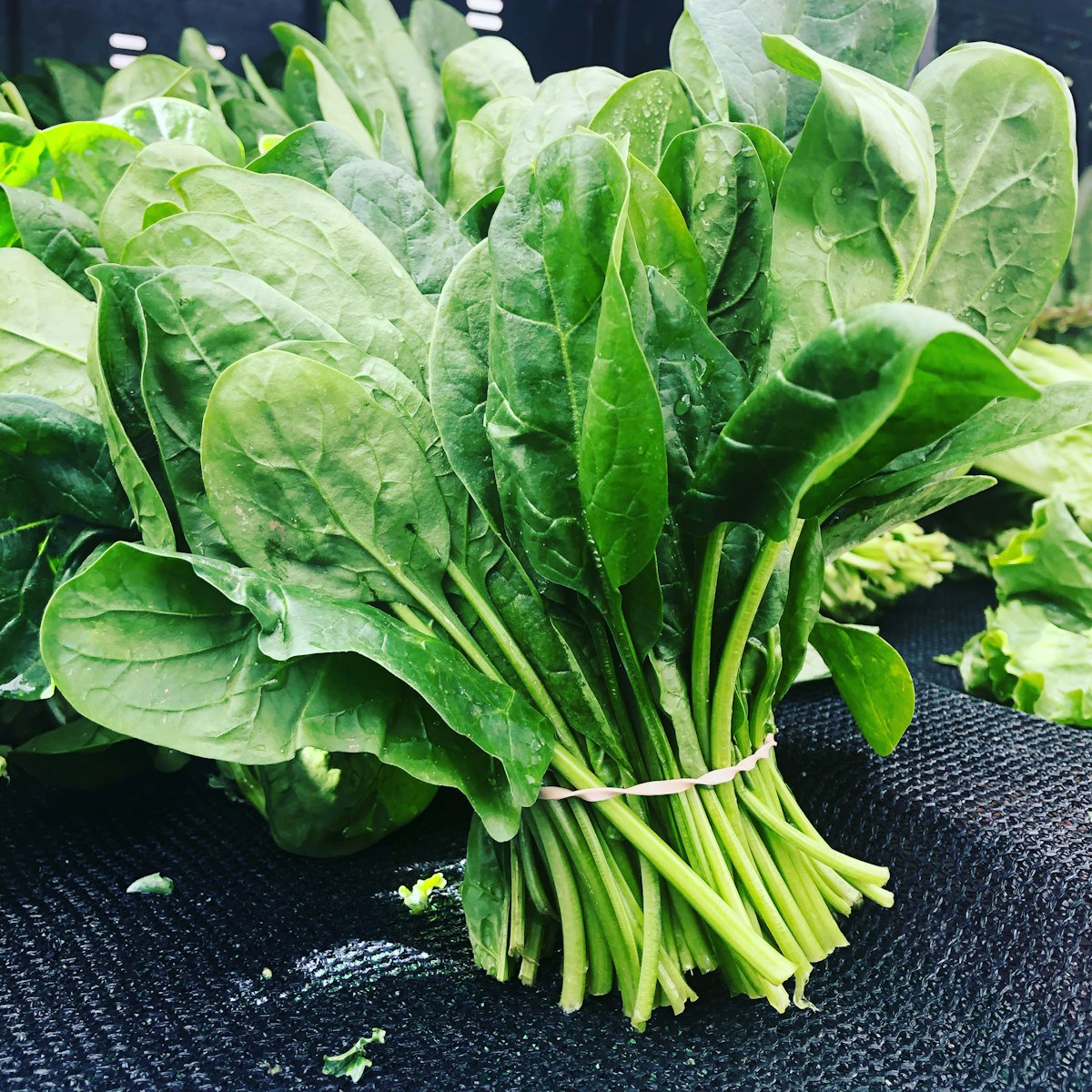
Original source illustration; may show a general food category.
Arugula is a fast-growing annual plant in the mustard family, known for its robust, peppery flavor that elevates salads, pizzas, and pasta dishes alike. The leaves are typically dark green and can vary in shape.
Country stock records are private to assigned managers.
Food-waste calculator
Estimate food you can keep out of the bin by using or sharing it.
Potential food saved1 kg
If you use or share 1 kg of Arugula instead of discarding it, that is 1 kg kept out of the bin.
This uses only your entered amount. It does not claim measured waste reduction or convert pieces and packs into invented weights.
Overview
Arugula is a fast-growing annual plant in the mustard family, known for its robust, peppery flavor that elevates salads, pizzas, and pasta dishes alike. The leaves are typically dark green and can vary in shape.
Origin & history
ancient uses: Used in Roman salads and as an aphrodisiac.
region of origin: Mediterranean
country of origin: Italy
historical timeline: year: 2000
event: Culinary use in Roman cuisine
cultural significance: Arugula is considered a traditional salad green in Italian cuisine.
domestication history: Domesticated in the Mediterranean region, arugula has been cultivated since ancient Rome.
traditional importance: Integral to fresh salads and Mediterranean dishes.
Growing & production
climate: Temperate
diseases: Downy mildew
Root rot
rainfall: Moderate
harvesting: Cut leaves as needed
irrigation: Regular watering required
temperature: Ideal between 13°C to 20°C
growing season: Spring and Fall
harvest period: 30 to 40 days after planting
yield per acre: 1,000 to 3,000 pounds
growing regions: Mediterranean
North America
Europe
pest management: Monitor for aphids and caterpillars
planting methods: Direct sowing
soil requirements: Well-draining soil rich in organic matter
organic cultivation: Common in organic farming practices
fertilizer requirements: Balanced fertilizer during growing
Arugula is known for its anti-inflammatory properties and is high in antioxidants, which help combat oxidative stress. It supports bone health due to its high vitamin K content and may aid in digestion thanks to its fiber.
Health notes
major: Rich in fibre, vitamins A and C, folate, potassium and plant polyphenols.
Low in calories and high in water content — supports weight management and hydration.
Regular vegetable intake is linked to lower rates of cardiovascular disease and type 2 diabetes.
evidence: Consensus among USDA, NIH and WHO reviews is that arugula contributes positively to a balanced eating pattern when consumed in appropriate portions.
Storage
freezing: Can be frozen but texture may change
shelf life: Up to 14 days in proper conditions
refrigeration: Preferred
best practices: Store in a breathable bag
Avoid moisture
common mistakes: Storing in airtight containers
Neglecting to check for rot
storage methods: Refrigeration
Cold storage
spoilage indicators: Wilting
Yellowing leaves
Preparation
cutting: No need to cut, can be used whole.
washing: Soak in cold water for a few minutes then rinse.
cleaning: Rinse under cold water to remove dirt and debris.
buying tips: Choose crisp, fresh leaves with no yellowing.
cooking methods: Sautéing
Steaming
Raw in salads
freshness indicators: Crisp and green leaves
No wilting
seasonal buying guide: Best bought in spring and fall.
Practical tips
**Cleaning**
Rinse under cold water to remove dirt and debris.
**Washing**
Soak in cold water for a few minutes then rinse.
**Cutting**
No need to cut, can be used whole.
Recipes
name: Arugula Salad with Lemon Vinaigrette
tags: Salad
Appetizers
tips: Use freshly grated Parmesan for better flavor.
method: Combine arugula, lemon juice, and olive oil in a bowl.
Toss to coat.
Top with shaved Parmesan and season with salt and pepper.
region: Tuscany
country: Italy
cuisine: Italian
servings: 4
cook time: null
image url: https://example.com/arugula-salad.jpg
nutrition: fat g: 16
carbs g: 3
calories: 180
protein g: 4
prep time: 10 minutes
chef notes: Add nuts for crunch or remove cheese for a vegan version.
difficulty: Easy
description: A fresh and zesty salad perfect for warm weather.
ingredients: Arugula
Lemon
Olive oil
Parmesan cheese
Black pepper
Salt
recipe source: Chef Giovanni
suitable diets: Vegetarian
Vegan without cheese
Transportation
humidity: 85% to 90%
packaging: Plastic clamshells or bags
shelf life: 7 to 14 days under refrigeration
shipping methods: Refrigerated transport
storage temperature: 1°C to 4°C
cold chain requirements: Necessary for freshness
transportation constraints: Fragility of leaves may cause damage
Sustainability
climate resilience: Adapts well to temporary climatic conditions.
sustainable farming: Commonly grown in organic systems.
environmental impact: Relatively low, as it grows quickly.
organic certification: Widely available in organic form.
pollinator importance: Attracts beneficial insects.
regenerative agriculture: Encouraging mainstay for regenerative practices.
More about this food
Arugula is often used in Italian cuisine.
It is rich in vitamins A, C, and K.
Historically, arugula was used as an aphrodisiac.
Source references
url: https://example.com/nutritional-benefits-arugula
type: journal
year: 2022
title: The Nutritional Benefits of Arugula
authors: Dr. Foodie
publisher: Journal of Nutrition
Kerala & United States locality guides
Regional guides; these links do not establish local product availability.