Imported source research draft. Nutrition, health claims and linked references have not been independently verified.
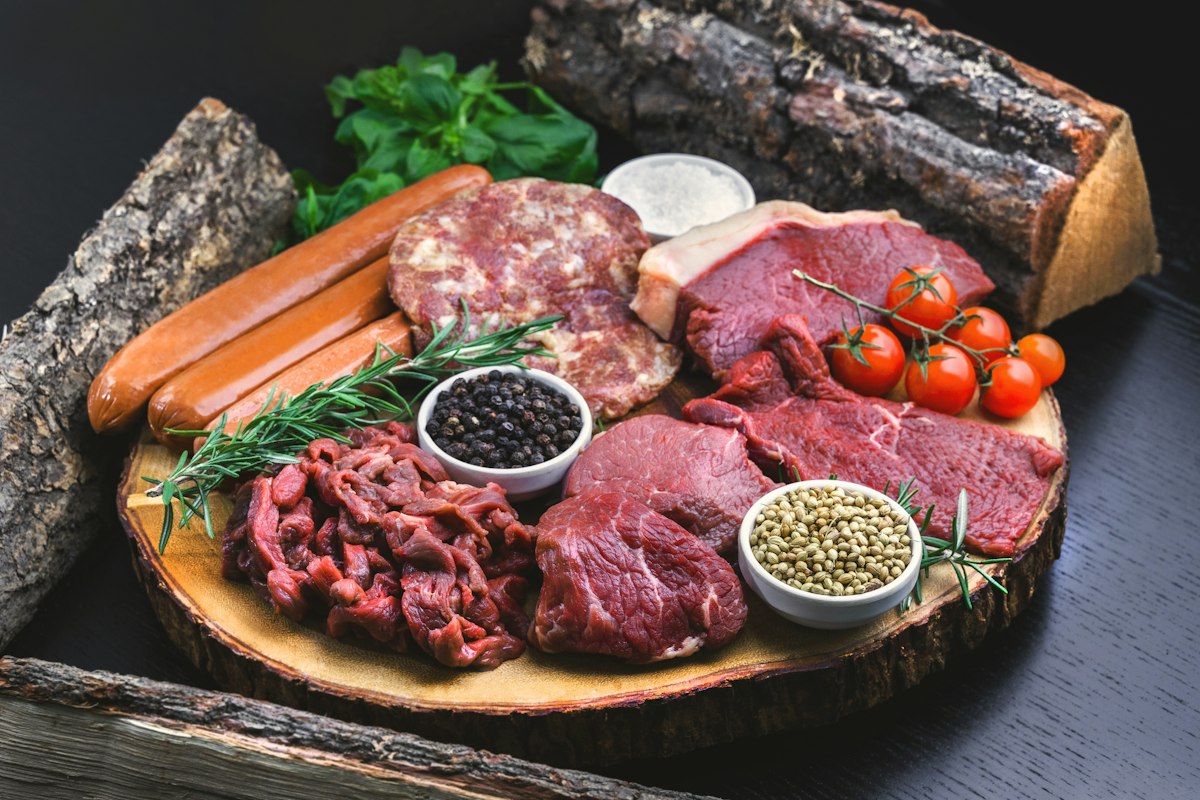
Original source illustration; may show a general food category.
Beef burger patties are made from ground beef and commonly seasoned, formed into round shapes, and cooked by grilling or frying. They are a staple in dishes like hamburgers and are popular in various cuisines worldwide.
Country stock records are private to assigned managers.
Food-waste calculator
Estimate food you can keep out of the bin by using or sharing it.
Potential food saved1 kg
If you use or share 1 kg of Beef Burger Patties instead of discarding it, that is 1 kg kept out of the bin.
This uses only your entered amount. It does not claim measured waste reduction or convert pieces and packs into invented weights.
Overview
Beef burger patties are made from ground beef and commonly seasoned, formed into round shapes, and cooked by grilling or frying. They are a staple in dishes like hamburgers and are popular in various cuisines worldwide.
Origin & history
ancient uses: Cattle were primarily used for their milk, hides, and as draft animals in ancient cultures.
region of origin: North America
country of origin: United States
historical timeline: year: 1885
event: First recorded hamburger served at the St. Louis World's Fair.
cultural significance: The hamburger has become an iconic American food, representing fast food culture.
domestication history: Cattle were domesticated over 10,000 years ago in the Near East and South Asia.
traditional importance: Beef patties are central in American barbecues and social gatherings.
Growing & production
climate: Temperate to tropical
diseases: Bovine Spongiform Encephalopathy
Foot-and-Mouth Disease
rainfall: Moderate rainfall required, around 600-800 mm annually.
harvesting: Cattle are harvested after reaching market weight, usually around 18 months of age.
irrigation: Irrigation may be used depending on feed crop needs.
temperature: Optimal temperature for cattle growth is between 10-24 °C.
growing season: Year-round, dependent on climate and specific cattle breeds.
harvest period: Typically occurs at the end of the growing season.
yield per acre: 1,500 - 2,000 pounds of beef per acre of grazing land annually.
growing regions: North America
South America
Europe
pest management: Integrated pest management for controlling parasites and disease.
soil requirements: Well-drained soil with good fertility.
organic cultivation: Organic beef production must adhere to specific holistic practices without synthetic additives.
fertilizer requirements: Fertilizers are used to enhance pasture and fodder quality.
Beef burger patties provide a rich source of protein and essential nutrients like iron and zinc, which are critical for muscle health and immune function. However, consumers should be mindful of portion sizes and preparation methods to maintain health benefits without excess calories or saturated fats.
Health notes
major: Read the label: shorter ingredient lists and recognisable ingredients are usually a good sign.
Watch for added sugars, refined oils and long chemical-name additives in ultra-processed products.
Use the FoodPulse Label Scanner for a quick sanity check on any packaged item.
evidence: Consensus among USDA, NIH and WHO reviews is that beef burger patties contributes positively to a balanced eating pattern when consumed in appropriate portions.
Storage
freezing: Wrap patties in freezer-safe packaging to avoid freezer burn.
shelf life: 1-2 days refrigerated, 4-6 months frozen.
refrigeration: Store in the coldest part of the refrigerator.
best practices: Cook to minimum internal temperature of 160°F (71°C).
common mistakes: Not properly sealing before freezing.
storage methods: Refrigeration
Freezing
spoilage indicators: Off smell
Discoloration
Slime
Preparation
cutting: Use a separate cutting board for raw meat.
washing: Do not wash beef patties; cooking will eliminate bacteria.
cleaning: Keep surfaces and utensils clean when handling raw beef.
buying tips: Look for patties with visible meat content and minimal fillers.
cooking methods: Grilling
Frying
Baking
freshness indicators: Fresh smell
Bright red color
seasonal buying guide: Available year-round; consider sourcing local during summer for barbecues.
Practical tips
**Cleaning**
Keep surfaces and utensils clean when handling raw beef.
**Washing**
Do not wash beef patties; cooking will eliminate bacteria.
**Cutting**
Use a separate cutting board for raw meat.
Recipes
name: Classic Beef Burger
tags: burger
grill
beef
tips: Do not press down on the patties while grilling.
method: Mix ground beef with salt and pepper.
Form into patties.
Grill on medium-high heat for about 6-7 minutes per side.
Assemble with buns and toppings.
region: North America
country: United States
cuisine: American
servings: 4
cook time: 15 minutes
image url: https://example.com/classic-beef-burger.jpg
prep time: 10 minutes
video url: https://example.com/video-classic-beef-burger
chef notes: For a gourmet touch, add your choice of seasonings.
difficulty: Easy
description: A quintessential recipe for juicy, flavorful beef burgers.
ingredients: 500g ground beef
1 tsp salt
1/2 tsp pepper
4 burger buns
Lettuce
Tomato slices
Cheese (optional)
youtube url: https://youtube.com/example-video-classic-beef-burger
recipe source: Family Recipe Book
suitable diets: Gluten-Free
Transportation
humidity: Relative humidity of around 80% is recommended.
packaging: Vacuum-sealed, refrigerated, or frozen packaging is common.
shelf life: Fresh patties last 1-2 days in the refrigerator; up to 6 months if frozen.
export handling: Must comply with importing country’s health regulations.
shipping methods: Refrigerated trucks
Air freight for premium cuts
storage temperature: Maintain at or below 4°C for fresh patties.
cold chain requirements: Must be kept under 4°C during transportation.
transportation constraints: Proper refrigeration is critical to prevent spoilage.
Sustainability
climate resilience: Vulnerable to extreme weather and climate changes.
land use m2 per kg: 10
sustainable farming: Encourages pasture-raised beef and holistic management.
environmental impact: Significant, related to methane emissions and resource use.
organic certification: Available; certification necessary for marketing as organic.
regenerative agriculture: Practices are being adopted, aiming to improve soil health.
water footprint l per kg: 15415
carbon footprint kgco2e per kg: 20.6
More about this food
The modern hamburger is said to have originated in the late 19th century.
Beef patties can be made from different cuts of meat, affecting flavor and texture.
Source references
url: https://www.usda.gov/beefnutrition
type: report
year: 2023
title: The Nutritional Profile of Beef
authors: USDA
publisher: USDA
Kerala & United States locality guides
Regional guides; these links do not establish local product availability.