Imported source research draft. Nutrition, health claims and linked references have not been independently verified.
Original source illustration; may show a general food category.
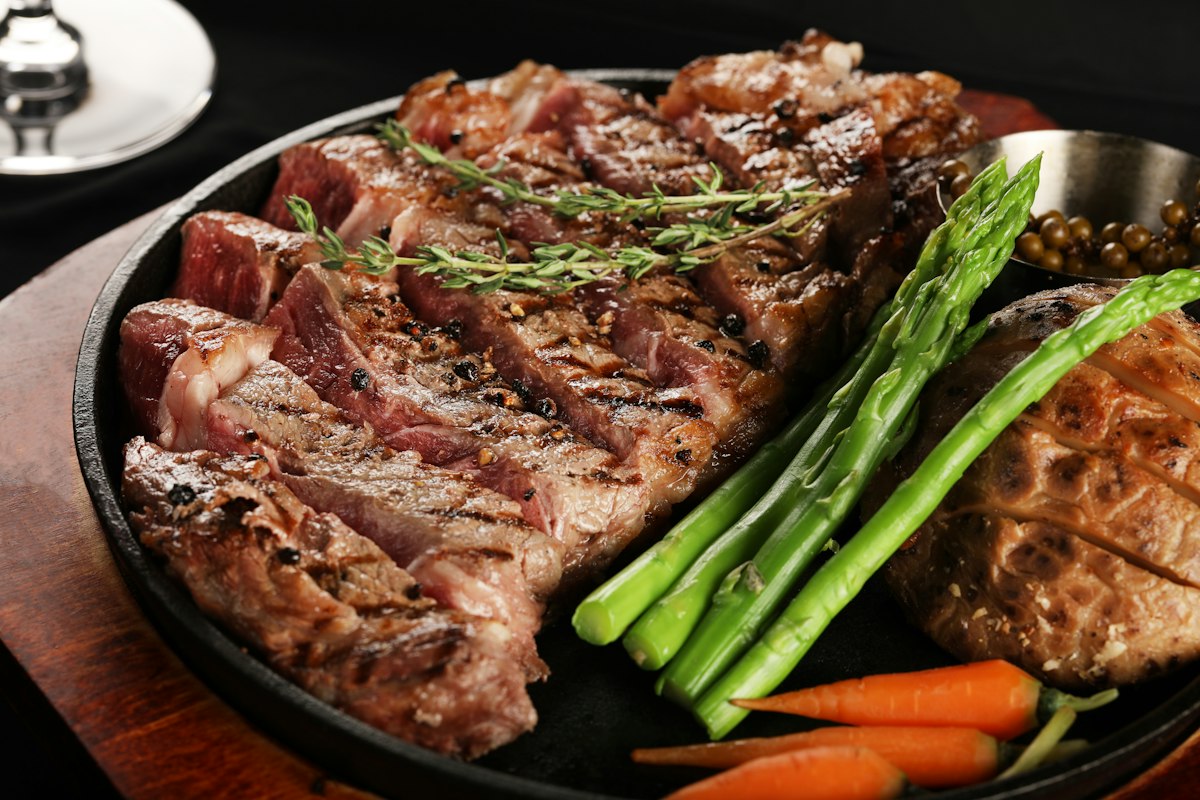
Dry-aged ribeye is a cut from the rib section of the beef and is characterized by its rich marbling, which contributes to its flavor. The dry-aging process involves hanging the meat in a controlled environment for several weeks, allowing enzymes to break down muscle tissue and moisture to evaporate, resulting in intensified flavors and a more tender texture.
Country stock records are private to assigned managers.
Food-waste calculator
Estimate food you can keep out of the bin by using or sharing it.
Potential food saved1 kg
If you use or share 1 kg of Dry-Aged Ribeye instead of discarding it, that is 1 kg kept out of the bin.
This uses only your entered amount. It does not claim measured waste reduction or convert pieces and packs into invented weights.
Overview
Dry-aged ribeye is a cut from the rib section of the beef and is characterized by its rich marbling, which contributes to its flavor. The dry-aging process involves hanging the meat in a controlled environment for several weeks, allowing enzymes to break down muscle tissue and moisture to evaporate, resulting in intensified flavors and a more tender texture.
Origin & history
ancient uses: Cattle were historically raised for both labor and food.
region of origin: Midwest
country of origin: United States
historical timeline: year: 1940
event: Dry aging gains popularity in American steakhouses.
cultural significance: Ribeye is celebrated in American cuisine and known for its premium quality in steakhouses.
domestication history: Domestic cattle were first domesticated in the Near East around 10,000 years ago.
traditional importance: Dry-aging has been a traditional method used to enhance the quality of beef for centuries.
historical trade routes: Beef has been an important trade commodity in the Americas since the 18th century.
Growing & production
climate: Temperate
diseases: Bovine respiratory disease
Digestive diseases
rainfall: Moderate rainfall of 25 to 30 inches per year.
harvesting: Beef is harvested when cattle reach maturity, typically around 18-24 months old.
irrigation: Irrigation is used in areas with insufficient natural rainfall.
temperature: Optimal temperatures range from 60°F to 75°F.
growing season: Year-round, depending on pasture availability.
harvest period: Year-round, depending on market demand.
yield per acre: Approximately 1-2 cattle per acre, depending on grazing practices.
growing regions: Midwest United States
Texas
Argentina
pest management: Integrated pest management (IPM) practices are used.
soil requirements: Well-drained soil with good organic content.
organic cultivation: Available but less common; often requires certification.
fertilizer requirements: Organic fertilizers are preferred for cattle feed crops.
Beef is a rich source of high-quality protein, essential vitamins and minerals, including iron and zinc. It plays a crucial role in muscle growth, immune function, and overall health. Dry-aged beef may also enhance the flavor profile, increasing the overall eating experience.
Health notes
major: Excellent source of complete protein, heme iron, zinc and vitamin B12.
Supports muscle maintenance, immune function and cognitive health.
Choose leaner cuts and moderate portions for the best long-term health profile.
evidence: Consensus among USDA, NIH and WHO reviews is that dry-aged ribeye contributes positively to a balanced eating pattern when consumed in appropriate portions.
Storage
freezing: Best to freeze vacuum-sealed to prevent freezer burn.
shelf life: Refrigerated: 1-2 weeks; Frozen: up to 6 months.
refrigeration: Store at 33°F to 40°F.
best practices: Use by sell-by date.
Keep in original packaging until use.
common mistakes: Not using a meat thermometer
Freezing without proper sealing.
storage methods: Refrigeration
Freezing
spoilage indicators: Off smell
Color changes
Preparation
cutting: Use a sharp knife for clean cuts.
washing: Do not wash meat; it increases risk of contamination.
cleaning: Clean surfaces and utensils before preparing meat.
buying tips: Look for well-marbled meat.
Check the sell-by date.
cooking methods: Grilling
Searing
Broiling
freshness indicators: Bright red color
Firm texture
seasonal buying guide: Best purchased fresh during fall and winter months.
Practical tips
**Cleaning**
Clean surfaces and utensils before preparing meat.
**Washing**
Do not wash meat; it increases risk of contamination.
**Cutting**
Use a sharp knife for clean cuts.
Recipes
name: Classic Ribeye Steak
tags: grilling
steak
beef
tips: Let steak rest for a few minutes before slicing.
method: Heat grill to high.
Season steaks with salt and pepper.
Cook steak for 4-6 minutes per side for medium-rare.
region: Midwest
country: United States
cuisine: American
servings: 2
cook time: 15 minutes
image url: https://example.com/classic_ribeye.jpg
prep time: 10 minutes
video url: https://youtube.com/example_video
chef notes: Use a meat thermometer for best results.
difficulty: Easy
description: A simple yet flavorful ribeye steak seasoned with salt and pepper.
ingredients: 2 ribeye steaks
Salt
Black pepper
Olive oil
youtube url: https://youtube.com/example_video
recipe source: Chef John
suitable diets: Gluten-free
Transportation
humidity: Relative humidity should be around 75%.
packaging: Vacuum-sealed or butcher paper.
shelf life: 1-2 weeks under refrigeration; longer when frozen.
export handling: Meat must meet health and safety regulations for export.
shipping methods: Refrigerated trucks or containers.
storage temperature: 33°F to 40°F preferred.
cold chain requirements: Must be maintained at 32°F to 40°F during transport.
transportation constraints: Limited by seasonal demand fluctuations and regulations.
Sustainability
climate resilience: More resilient breeds are being developed.
land use m2 per kg: 100
sustainable farming: Many farms are adopting sustainable grazing practices.
environmental impact: Cattle production has significant greenhouse gas emissions.
organic certification: Available but requires adherence to strict guidelines.
regenerative agriculture: Practices being implemented to improve soil health.
water footprint l per kg: 15415
carbon footprint kgco2e per kg: 19.1
More about this food
The dry-aging process can take anywhere from 14 to 120 days.
Dry-aged ribeye is often more expensive than regular steaks due to the aging process.
Source references
url: https://usda.gov/nutrition
type: report
title: Nutritional Information of Beef Cuts
publisher: USDA
Kerala & United States locality guides
Regional guides; these links do not establish local product availability.