Imported source research draft. Nutrition, health claims and linked references have not been independently verified.
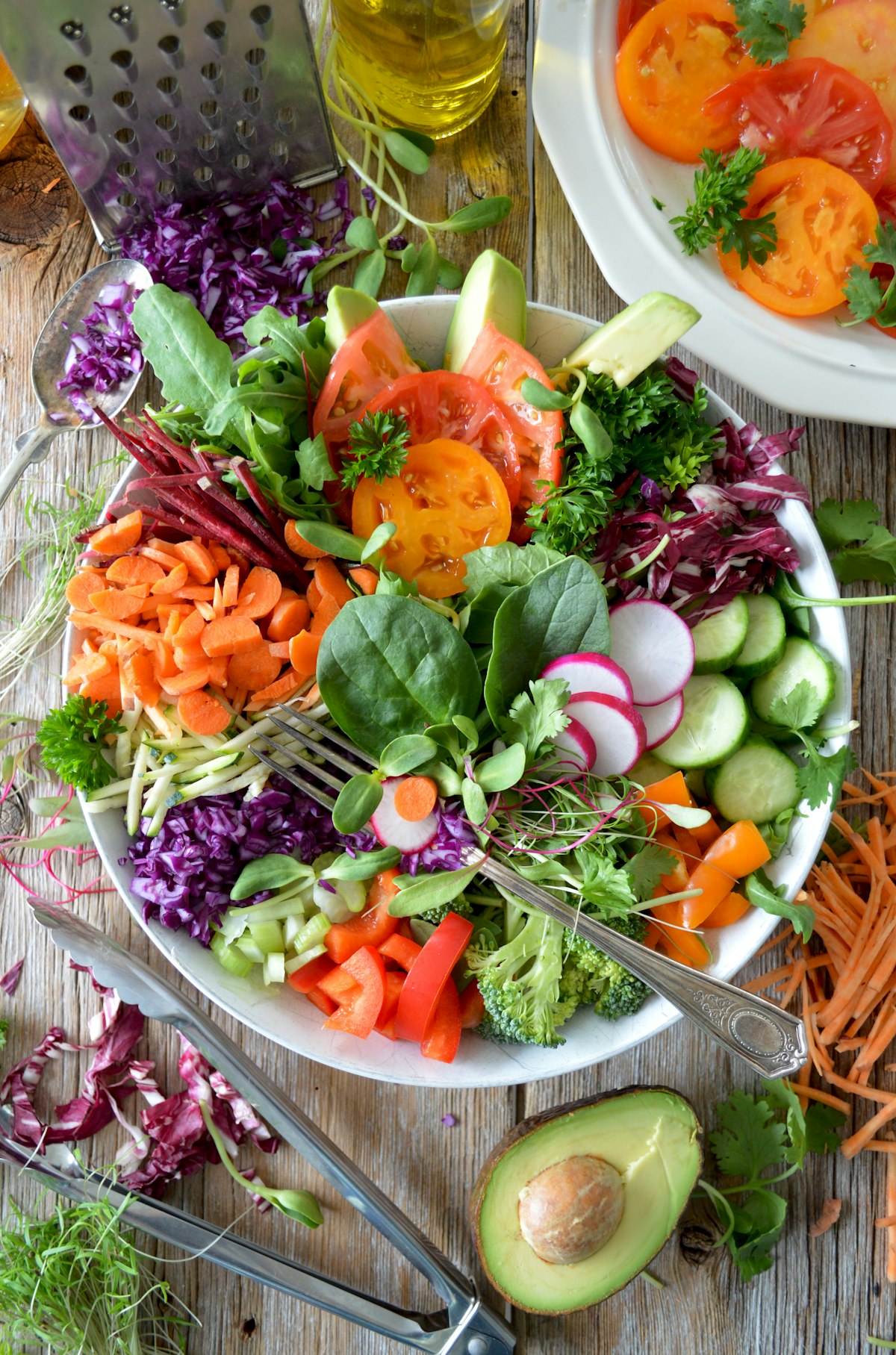
Original source illustration; may show a general food category.
Green onions, also known as spring onions or scallions, are long, slender vegetables with a white base and green tops that are edible. They have a mild flavor which becomes sweeter when cooked, making them ideal for a variety of dishes.
Country stock records are private to assigned managers.
Food-waste calculator
Estimate food you can keep out of the bin by using or sharing it.
Potential food saved1 kg
If you use or share 1 kg of Green Onion instead of discarding it, that is 1 kg kept out of the bin.
This uses only your entered amount. It does not claim measured waste reduction or convert pieces and packs into invented weights.
Overview
Green onions, also known as spring onions or scallions, are long, slender vegetables with a white base and green tops that are edible. They have a mild flavor which becomes sweeter when cooked, making them ideal for a variety of dishes.
Origin & history
ancient uses: Used in traditional medicine in ancient Chinese culture.
region of origin: Asia
country of origin: China
historical timeline: year: 3000
event: Cultivated in ancient China.
year: 1000
event: Introduced to the Mediterranean region.
cultural significance: Symbolizes new beginnings and prosperity in some cultures.
domestication history: Domesticated from wild onions thousands of years ago in Asia.
traditional importance: Common in Asian cuisine for flavoring and garnish.
historical trade routes: Along the Silk Road.
Growing & production
climate: Temperate to subtropical
diseases: Downy mildew
Onion smut
rainfall: Well-watered, prefers consistent moisture.
harvesting: Ready to harvest 8-12 weeks after planting.
irrigation: Requires regular watering; do not let soil dry out.
hydroponics: Suitable for hydroponic growth.
temperature: Optimal growth at 13-24°C (55-75°F).
growing season: Spring and fall.
harvest period: Late spring through summer.
yield per acre: Approximately 2,000 pounds.
growing regions: North America
Asia
Europe
pest management: Monitor for aphids and onion flies; use organic pesticides as necessary.
planting methods: Direct seeding or transplanting seedlings.
vertical farming: Applicable in urban settings.
soil requirements: Well-drained, fertile soil rich in organic matter.
organic cultivation: Possible using natural fertilizers and pest management.
greenhouse production: Viable for year-round production.
fertilizer requirements: Balanced fertilizer applied during growing season.
Green onions are low in calories and contain vitamins A, C, and K. They also have antioxidants which can reduce inflammation, support heart health, and benefit the immune system.
Health notes
major: Rich in fibre, vitamins A and C, folate, potassium and plant polyphenols.
Low in calories and high in water content — supports weight management and hydration.
Regular vegetable intake is linked to lower rates of cardiovascular disease and type 2 diabetes.
evidence: Consensus among USDA, NIH and WHO reviews is that green onion contributes positively to a balanced eating pattern when consumed in appropriate portions.
Storage
freezing: Can be chopped and frozen.
shelf life: Up to 3 weeks in refrigerator.
refrigeration: Store in plastic bags to retain moisture.
best practices: Keep cool and dry.
Do not wash before storage.
common mistakes: Storing in airtight containers.
Ignoring humidity levels.
storage methods: Refrigeration
Freezing
spoilage indicators: Wilting
Yellowing leaves
Preparation
cutting: Slice on a diagonal for aesthetic garnish.
peeling: No peeling needed.
washing: Wash just before use.
cleaning: Rinse under cool water to remove dirt.
buying tips: Look for bright green tops and firm bases.
cooking methods: Grilling
Sautéing
Stir-frying
freshness indicators: Firmness and vibrant color.
seasonal buying guide: Best in spring through early summer.
Practical tips
**Cleaning**
Rinse under cool water to remove dirt.
**Washing**
Wash just before use.
**Peeling**
No peeling needed.
**Cutting**
Slice on a diagonal for aesthetic garnish.
Recipes
name: Green Onion Pancakes
tags: Pancake
Snack
Vegetarian
tips: Serve with soy sauce for dipping.
method: Mix flour and water to make dough.
Roll dough flat, sprinkle with salt and chopped green onions.
Roll up and flatten again.
Fry in oil until golden.
region: Eastern
country: China
cuisine: Asian
servings: 4
cook time: 15 min
image url: https://example.com/image.jpg
nutrition: fat: 10
carbs: 32
protein: 6
calories: 250
prep time: 20 min
video url: https://youtube.com/example
chef notes: Use fresh green onions for the best flavor.
difficulty: Medium
description: Delicious pan-fried pancakes with a generous amount of green onions.
ingredients: 2 cups flour
1 cup water
1 cup green onions
Salt
Oil
youtube url: https://youtube.com/example
recipe source: Cookpad
suitable diets: Vegetarian
Transportation
humidity: High humidity without water exposure.
packaging: Plastic bags or cardboard boxes.
shelf life: 3 weeks refrigerated.
export handling: Handled gently to avoid bruising.
shipping methods: Air freight or truck.
storage temperature: 0-5°C (32-41°F).
cold chain requirements: Not necessary, but preferred for freshness.
transportation constraints: Bulk transport may lead to spoilage.
Sustainability
climate resilience: Moderately resilient to changing conditions.
land use m2 per kg: 0.2
sustainable farming: Practices include crop rotation and minimal pesticide use.
environmental impact: Lower than many typical crops due to low resource demand.
organic certification: Available for sustainable farms.
pollinator importance: Supports local pollinators.
regenerative agriculture: Promotes soil health and biodiversity.
water footprint l per kg: 500
carbon footprint kgco2e per kg: 0.15
More about this food
Green onions are often used as a garnish due to their vibrant color.
They are low in calories yet rich in vitamins A, C, and K.
Source references
url: https://example.com/publication
type: journal
year: 2020
title: Nutritional Properties of Green Onions
authors: Smith J., Brown A.
publisher: Journal of Vegetable Science
Kerala & United States locality guides
Regional guides; these links do not establish local product availability.