Imported source research draft. Nutrition, health claims and linked references have not been independently verified.
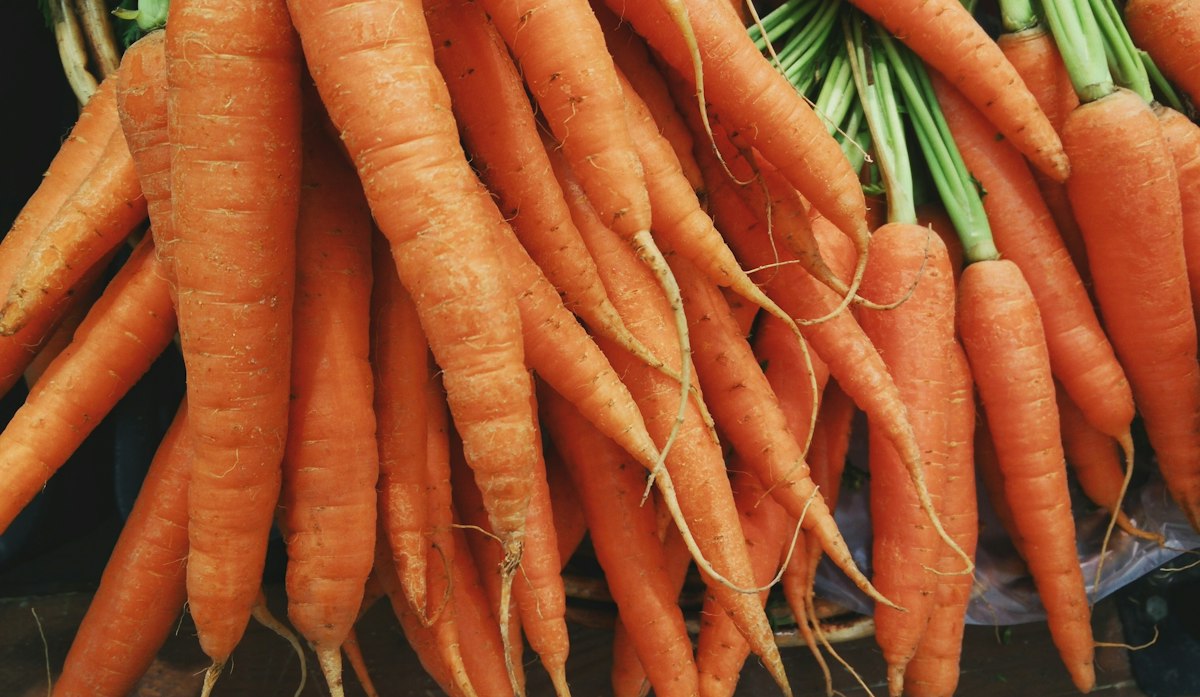
Original source illustration; may show a general food category.
Horseradish is a perennial plant, grown for its large, white root, which is often used as a condiment due to its spicy, pungent flavor. It is commonly prepared as a sauce or condiment and pairs well with meats and seafood.
Country stock records are private to assigned managers.
Food-waste calculator
Estimate food you can keep out of the bin by using or sharing it.
Potential food saved1 kg
If you use or share 1 kg of Horseradish instead of discarding it, that is 1 kg kept out of the bin.
This uses only your entered amount. It does not claim measured waste reduction or convert pieces and packs into invented weights.
Overview
Horseradish is a perennial plant, grown for its large, white root, which is often used as a condiment due to its spicy, pungent flavor. It is commonly prepared as a sauce or condiment and pairs well with meats and seafood.
Origin & history
ancient uses: Used in ancient times as a medicinal herb for various ailments.
region of origin: Mediterranean
country of origin: Eastern Europe
historical timeline: year: 100
event: Used by Romans as a condiment.
year: 1500
event: Brought to England from Europe.
cultural significance: Often used in Jewish culinary traditions, particularly during Passover.
domestication history: Domesticated in the Mediterranean around the first century AD.
religious significance: Referenced in various cultural and religious texts.
traditional importance: Used in Eastern European cuisine as a staple condiment.
historical trade routes: Traded along the Silk Road and throughout Europe by early traders.
Growing & production
climate: Temperate climate with distinct seasons.
rainfall: Moderate rainfall, approximately 20-30 inches annually.
harvesting: Harvested in the autumn after the first frost.
irrigation: Needs regular irrigation, especially during dry spells.
temperature: Ideal temperature range is 15-20°C.
growing season: Late spring to early autumn.
harvest period: September to October.
yield per acre: 3-4 tons per acre.
growing regions: Eastern Europe
United States
Japan
pest management: Common pests include leaf miners, which can be controlled with insecticidal soap.
planting methods: Typically planted as root cuttings or seed.
soil requirements: Loamy, well-draining soils rich in organic matter.
organic cultivation: Can be cultivated organically, generally pest-resistant.
fertilizer requirements: Requires moderate fertilization with well-balanced fertilizers.
Horseradish is known for its potential health benefits, including anti-inflammatory properties and aiding in digestion. It contains compounds that may support respiratory health as well.
Health notes
major: Rich in fibre, vitamins A and C, folate, potassium and plant polyphenols.
Low in calories and high in water content — supports weight management and hydration.
Regular vegetable intake is linked to lower rates of cardiovascular disease and type 2 diabetes.
evidence: Consensus among USDA, NIH and WHO reviews is that horseradish contributes positively to a balanced eating pattern when consumed in appropriate portions.
Storage
shelf life: 2-3 months in refrigeration.
dry storage: Can be stored in a cool, dry place for short periods.
refrigeration: Best stored in the crisper drawer of a refrigerator.
best practices: Keep dry and cool.
Avoid washing until ready to use.
common mistakes: Storing in damp environments.
storage methods: Refrigeration
Dry storage
spoilage indicators: Softness
Discoloration
Preparation
cutting: Grate or chop as needed.
peeling: Peel the skin before use.
washing: Wash thoroughly to ensure cleanliness.
cleaning: Rinse under cold water to remove soil.
buying tips: Choose firm, unblemished roots.
cooking methods: Raw
Blended
Creamed
freshness indicators: Firmness
Lack of softness or sprouting.
seasonal buying guide: Best purchased in late summer to autumn.
Practical tips
**Cleaning**
Rinse under cold water to remove soil.
**Washing**
Wash thoroughly to ensure cleanliness.
**Peeling**
Peel the skin before use.
**Cutting**
Grate or chop as needed.
Recipes
name: Classic Horseradish Sauce
tags: Sauce
Condiment
Quick
tips: Serve chilled.
Can be adjusted for heat level.
method: Combine all ingredients in a bowl.
Mix well.
Adjust seasoning if needed.
region: North America
country: United States
cuisine: American
servings: 4
cook time: 0 minutes
image url: https://example.com/image1.jpg
prep time: 10 minutes
chef notes: A classic companion for roast beef.
difficulty: Easy
description: A simple and flavorful horseradish sauce perfect for meats.
ingredients: 1 cup grated horseradish
1 cup sour cream
1 tablespoon vinegar
Salt to taste
recipe source: Culinary Traditions
suitable diets: Vegetarian
Transportation
humidity: Should be kept in low humidity to prevent rot.
packaging: Packed in ventilated containers to prevent spoilage.
shelf life: Up to 2 months when stored properly.
shipping methods: Typically shipped via road or air.
storage temperature: Storage temperature between 0-4°C.
cold chain requirements: Not strictly necessary, but recommended for freshness.
Sustainability
climate resilience: Resilient to various growing conditions.
sustainable farming: Promotes soil health through crop rotation.
environmental impact: Low impact when produced sustainably.
organic certification: Available from certified farms.
pollinator importance: Helps support beneficial insects.
regenerative agriculture: Practiced by some farmers.
More about this food
Horseradish can enhance the flavor of many dishes and has been used as a medicinal herb for centuries.
Source references
url: https://fdc.nal.usda.gov/
type: report
year: 2020
title: Nutritional Content of Horseradish
authors: USDA
publisher: FoodData Central
Kerala & United States locality guides
Regional guides; these links do not establish local product availability.