Imported source research draft. Nutrition, health claims and linked references have not been independently verified.
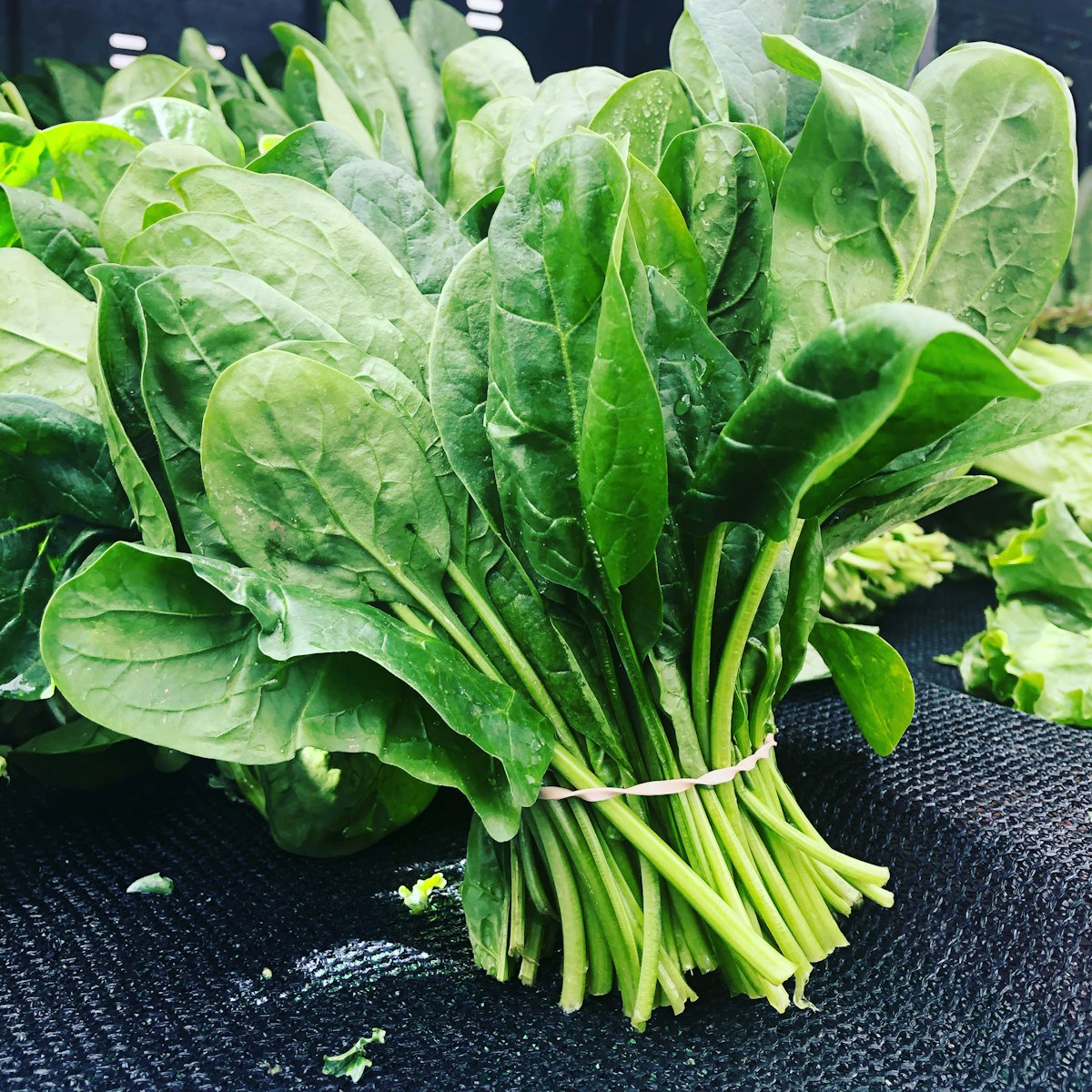
Original source illustration; may show a general food category.
Iceberg lettuce is a variety of head lettuce with a mild flavor and crunchy texture, typically used in salads and sandwiches. Known for its round, compact head and crisp leaves, it is widely consumed in many culinary dishes around the world.
Country stock records are private to assigned managers.
Food-waste calculator
Estimate food you can keep out of the bin by using or sharing it.
Potential food saved1 kg
If you use or share 1 kg of Iceberg Lettuce instead of discarding it, that is 1 kg kept out of the bin.
This uses only your entered amount. It does not claim measured waste reduction or convert pieces and packs into invented weights.
Overview
Iceberg lettuce is a variety of head lettuce with a mild flavor and crunchy texture, typically used in salads and sandwiches. Known for its round, compact head and crisp leaves, it is widely consumed in many culinary dishes around the world.
Origin & history
ancient uses: Used by ancient Egyptians for its medicinal and nutritional properties.
region of origin: California
country of origin: United States
historical timeline: year: 1940
event: Iceberg lettuce was commercialized in the United States.
cultural significance: Symbol of fresh salads and commonly consumed in fast food.
domestication history: Originally domesticated from wild lettuce species in the Mediterranean region.
traditional importance: Often served in American culture as a staple in salads and sandwiches.
historical trade routes: Spread to Europe and Asia through trade in the 19th century.
Growing & production
climate: Cool-warm temperate climate.
diseases: Downy mildew
Bacterial wilt
rainfall: Moderate rainfall, approximately 600-800 mm per year.
harvesting: Cutting of heads when firm.
irrigation: Drip irrigation preferred.
temperature: Optimal growth at 15-20°C.
growing season: Spring and fall.
harvest period: Approximately 60-90 days post planting.
yield per acre: 20,000 kg
growing regions: California
Arizona
Salinas Valley
pest management: Use of integrated pest management (IPM) strategies.
planting methods: Seedlings transplanted after germination.
soil requirements: Well-drained, nutrient-rich soil.
organic cultivation: Commonly cultivated using organic methods.
fertilizer requirements: High nitrogen fertilizer at early growth stage.
Iceberg lettuce is low in calories and high in water content, making it a great choice for hydration and refreshing salads. It provides essential vitamins and minerals while being very low in fats. The antioxidants found in iceberg lettuce contribute to good eye health, while its dietary fiber aids digestion.
Health notes
major: Rich in fibre, vitamins A and C, folate, potassium and plant polyphenols.
Low in calories and high in water content — supports weight management and hydration.
Regular vegetable intake is linked to lower rates of cardiovascular disease and type 2 diabetes.
evidence: Consensus among USDA, NIH and WHO reviews is that iceberg lettuce contributes positively to a balanced eating pattern when consumed in appropriate portions.
Storage
freezing: Not recommended as texture deteriorates.
shelf life: 3 weeks when properly refrigerated.
refrigeration: Best stored in the vegetable crisper.
best practices: Maintain humidity levels.
Avoid excess ethylene-producing fruits nearby.
common mistakes: Storing in airtight bags.
storage methods: Refrigeration
Controlled atmosphere storage
spoilage indicators: Wilting
Brown edges
controlled atmosphere storage: Extends shelf life.
Preparation
cutting: Chop or tear leaves as needed.
washing: Use a salad spinner for drying.
cleaning: Rinse under cold water to remove dirt.
buying tips: Choose heads that are firm and heavy for their size.
Avoid wilted or brown edges.
cooking methods: Raw
Steamed
Grilled
freshness indicators: Crisp texture
Bright color
seasonal buying guide: Best purchased in late spring and summer.
Practical tips
**Cleaning**
Rinse under cold water to remove dirt.
**Washing**
Use a salad spinner for drying.
**Cutting**
Chop or tear leaves as needed.
Recipes
name: Classic Caesar Salad
tags: salad
Italian
vegetarian
method: Wash and dry the lettuce, chop into pieces.
In a bowl, combine lettuce, croutons, and cheese.
Toss with Caesar dressing, season with salt and pepper.
region: Rome
country: Italy
cuisine: Italian
servings: 4
cook time: 10 minutes
image url: https://example.com/caesar_salad.jpg
nutrition: fat: 14
protein: 7
calories: 220
carbohydrates: 19
prep time: 15 minutes
chef notes: For best taste, use homemade dressing.
difficulty: Medium
description: A classic Italian salad made with crisp romaine lettuce, cheese, croutons, and dressing.
ingredients: 1 head Iceberg Lettuce
1 cup croutons
1/2 cup grated Parmesan cheese
1/4 cup Caesar dressing
Salt and pepper to taste
recipe source: Traditional Italian Cuisine
suitable diets: Vegetarian
Transportation
humidity: High humidity (90-95%) needed during storage.
packaging: Packed in cartons or crates to prevent damage.
shelf life: 3-4 weeks under proper conditions.
export handling: Specialized handling to prevent spoilage.
shipping methods: Refrigerated trucks and containers.
storage temperature: 1-4°C for optimal preservation.
cold chain requirements: Required to maintain freshness during transit.
transportation constraints: Perishable nature requires quick transport.
Requires cold chain logistics.
Sustainability
climate resilience: Good, tolerant to mild variations in temperature.
sustainable farming: Encouraged, with some farms practicing organic and integrated pest management.
environmental impact: Low, but significant water use.
organic certification: Available for many growers.
pollinator importance: Minimal for lettuce crops.
water footprint l per kg: 180
More about this food
Iceberg lettuce was first developed in California in the early 20th century.
It is the most popular lettuce variety in North America.