Imported source research draft. Nutrition, health claims and linked references have not been independently verified.
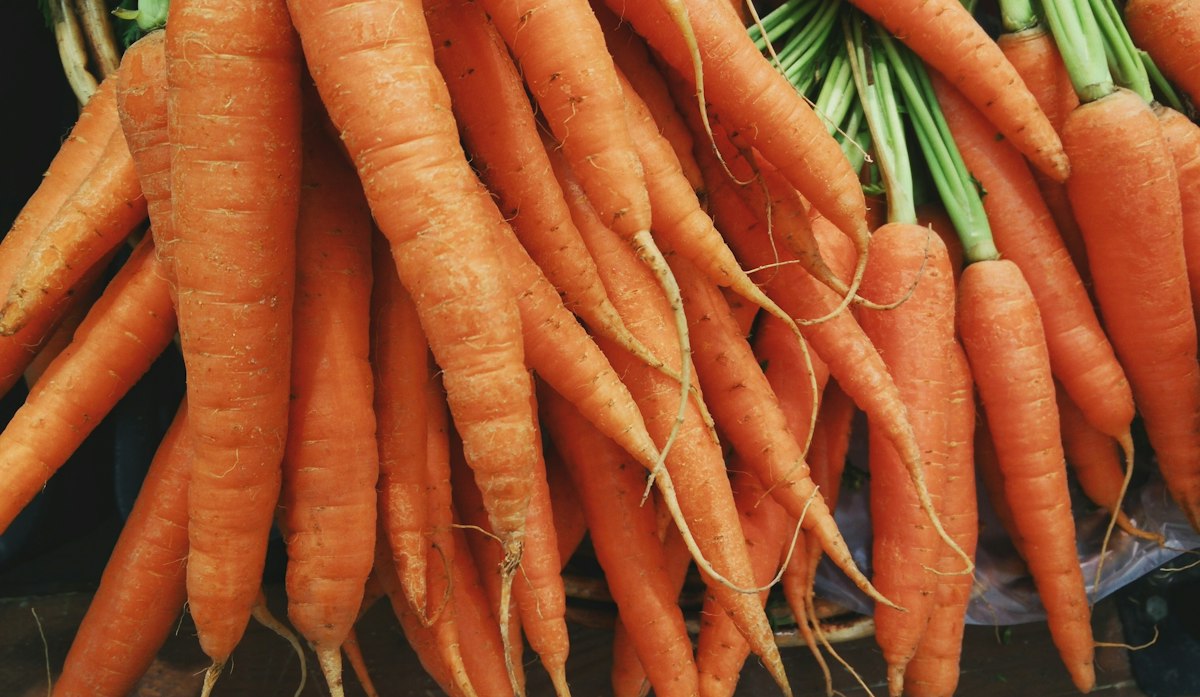
Original source illustration; may show a general food category.
The Jerusalem Artichoke, or sunchoke, is a perennial sunflower that is cultivated for its edible tuber. It has a sweet, nutty flavor and can be eaten raw or cooked.
Country stock records are private to assigned managers.
Food-waste calculator
Estimate food you can keep out of the bin by using or sharing it.
Potential food saved1 kg
If you use or share 1 kg of Jerusalem Artichoke instead of discarding it, that is 1 kg kept out of the bin.
This uses only your entered amount. It does not claim measured waste reduction or convert pieces and packs into invented weights.
Overview
The Jerusalem Artichoke, or sunchoke, is a perennial sunflower that is cultivated for its edible tuber. It has a sweet, nutty flavor and can be eaten raw or cooked.
Origin & history
ancient uses: Used by Native Americans for food and medicinal purposes.
region of origin: North America
country of origin: United States
historical timeline: year: 1605
event: Introduced to Europe from North America.
cultural significance: Popularized in Europe after introduction by French explorer Samuel de Champlain.
domestication history: Domesticated by Native Americans before European colonization.
traditional importance: Noted for its nutritional value and adaptability to different soils.
Growing & production
climate: Temperate
rainfall: Moderate rainfall, 25-50 inches annually
harvesting: Harvest in fall after the first frost for the best flavor.
irrigation: Moderate irrigation needed during dry spells.
temperature: Best grown in 60-70°F (15-21°C)
growing season: April to October
harvest period: September to November
yield per acre: 5-10 tons
growing regions: North America
Europe
pest management: Monitor for aphids and root maggots.
planting methods: Plant tubers in spring, 4-6 inches deep.
soil requirements: Well-drained, sandy loam
organic cultivation: Possible, but may be prone to disease.
fertilizer requirements: Apply balanced fertilizer before planting.
Jerusalem Artichokes are high in inulin, a prebiotic that supports gut health. They are also nutrient-dense, being a good source of potassium and iron.
Health notes
major: Rich in fibre, vitamins A and C, folate, potassium and plant polyphenols.
Low in calories and high in water content — supports weight management and hydration.
Regular vegetable intake is linked to lower rates of cardiovascular disease and type 2 diabetes.
evidence: Consensus among USDA, NIH and WHO reviews is that jerusalem artichoke contributes positively to a balanced eating pattern when consumed in appropriate portions.
Storage
freezing: Not recommended due to texture changes.
shelf life: 3-6 months when stored correctly.
dry storage: Possible, but less effective than refrigeration.
refrigeration: Ideal for extended freshness.
best practices: Avoid washing until ready to use
common mistakes: Storing in direct sunlight
storage methods: Cool, dark places
Refrigeration
spoilage indicators: Wrinkling
Soft spots
Preparation
cutting: Slice thinly for salads or roast whole.
peeling: Peeling is optional; skin is edible.
washing: Wash just before use to maintain freshness.
cleaning: Rinse under running water to remove dirt.
buying tips: Choose firm, unblemished tubers.
cooking methods: Boiling
Roasting
Sautéing
freshness indicators: Firmness
Luster
seasonal buying guide: Peak season is fall to early spring.
Practical tips
**Cleaning**
Rinse under running water to remove dirt.
**Washing**
Wash just before use to maintain freshness.
**Peeling**
Peeling is optional; skin is edible.
**Cutting**
Slice thinly for salads or roast whole.
Recipes
name: Sunchoke Soup
tags: soup
vegetarian
comfort food
tips: Serve with crusty bread.
method: Peel and chop the Jerusalem artichokes and onion.
Sauté onion until translucent.
Add artichokes and stock; boil until tender.
Blend until smooth and stir in cream.
Season with salt and pepper.
region: Provence
country: France
cuisine: French
servings: 4
cook time: 30 minutes
prep time: 15 minutes
chef notes: This soup can be made ahead and frozen.
difficulty: Medium
description: A creamy soup made with Jerusalem Artichokes blended with cream and herbs.
ingredients: 400g Jerusalem artichokes
1 onion
500ml vegetable stock
100ml cream
Salt
Pepper
recipe source: Grandma's Kitchen
suitable diets: Vegetarian
Transportation
humidity: 50-70%
packaging: Breathable bags or crates.
shelf life: 3-6 months in cool conditions.
shipping methods: Truck and rail.
storage temperature: 45-50°F (7-10°C)
cold chain requirements: Not necessary, but cool storage extends shelf life.
Sustainability
climate resilience: Drought resistant once established.
sustainable farming: Can be grown with minimal inputs.
environmental impact: Low impact if grown sustainably.
organic certification: Available for certified growers.
pollinator importance: Attracts bees when flowering.
regenerative agriculture: Fits well with regenerative practices.
More about this food
Despite its name, it has no relation to artichokes.
It is a native plant of North America.
Source references
url: https://fdc.nal.usda.gov
type: report
year: 2023
title: Nutrition of Jerusalem Artichoke
authors: USDA Research
publisher: USDA
Kerala & United States locality guides
Regional guides; these links do not establish local product availability.