Imported source research draft. Nutrition, health claims and linked references have not been independently verified.
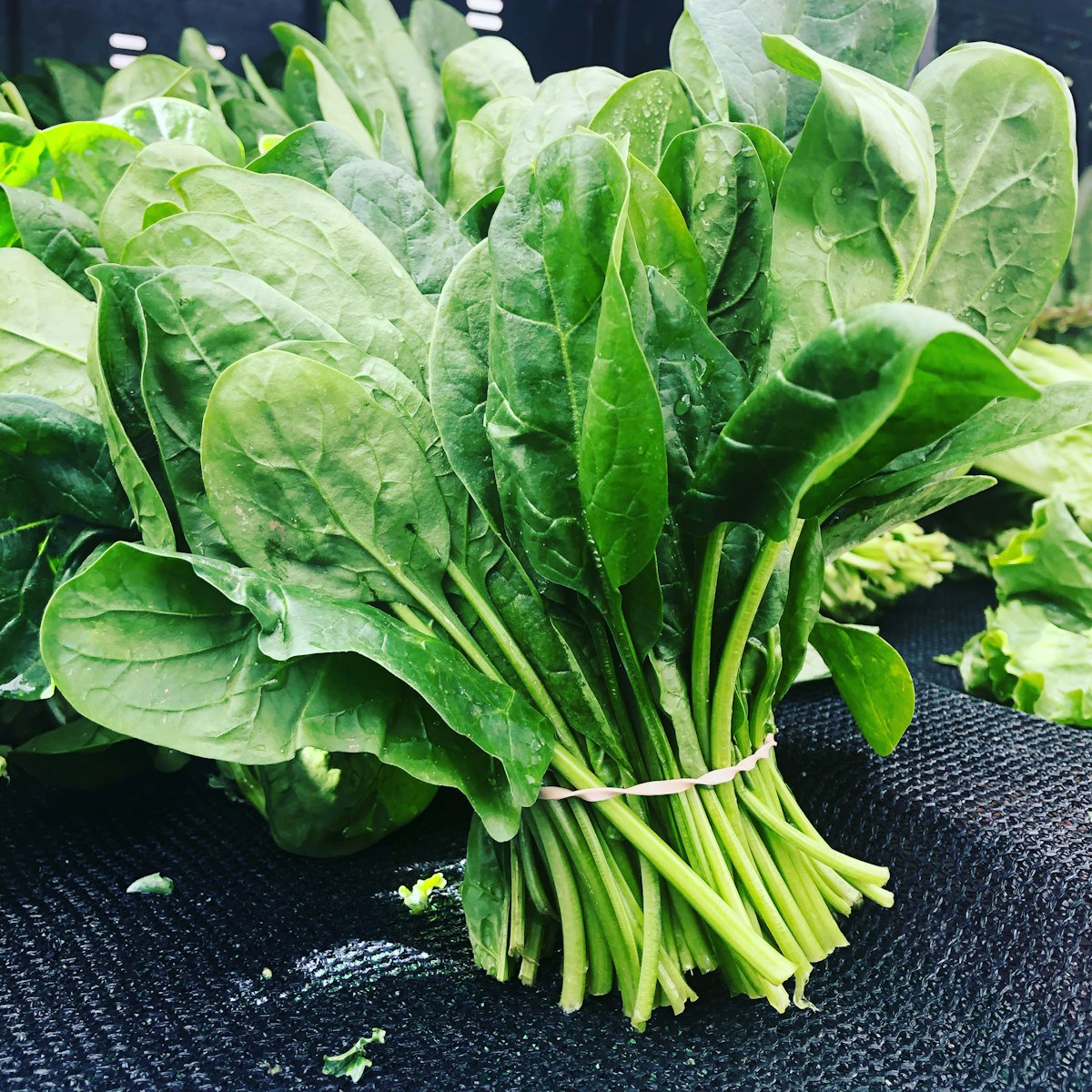
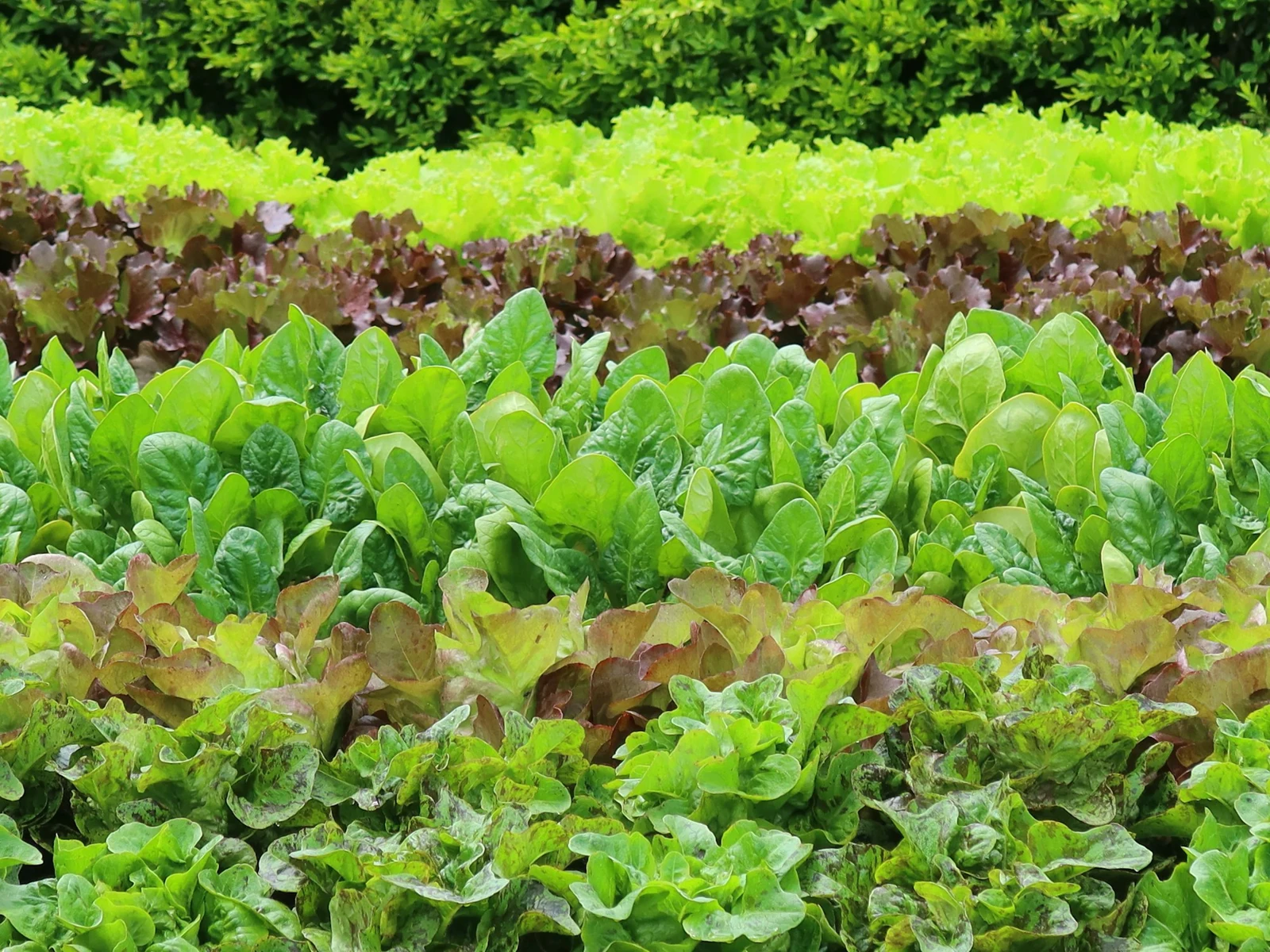
Original source illustration; may show a general food category.
Lettuce is a cool-season vegetable that belongs to the Asteraceae family. Its leaves are typically crisp and have a mild flavor, making it a popular choice in salads around the world. Varieties include romaine, butterhead, and leaf lettuce.
Country stock records are private to assigned managers.
Food-waste calculator
Estimate food you can keep out of the bin by using or sharing it.
Potential food saved1 kg
If you use or share 1 kg of Lettuce instead of discarding it, that is 1 kg kept out of the bin.
This uses only your entered amount. It does not claim measured waste reduction or convert pieces and packs into invented weights.
Lettuce is a cool-season vegetable that belongs to the Asteraceae family. Its leaves are typically crisp and have a mild flavor, making it a popular choice in salads around the world. Varieties include romaine, butterhead, and leaf lettuce.
Origin & history
ancient uses: Used in ancient Egypt for its seeds and leaves, believed to have aphrodisiac properties.
region of origin: North Africa
country of origin: Egypt
historical timeline: year: 2700
event: First mentions of lettuce in ancient Egyptian texts.
cultural significance: Symbol of fertility in ancient cultures.
domestication history: Lettuce was domesticated from wild lettuce species.
traditional importance: Used in salads and various culinary dishes.
historical trade routes: Commonly traded along ancient trade routes in the Mediterranean.
Growing & production
climate: Cool to temperate climate
diseases: Downy mildew
powdery mildew
rainfall: 20-30 inches annually preferred.
harvesting: Harvested when leaves are tender and crisp.
irrigation: Frequent watering needed; especially in dry periods.
hydroponics: Well-suited for hydroponic systems.
temperature: Optimal growth at 60-70°F (15-21°C).
growing season: Spring and fall; can be grown year-round in mild climates.
harvest period: Approximately 70-90 days from seeding to harvest.
yield per acre: Varies; typically around 20,000 pounds.
growing regions: North America
Europe
Asia
pest management: Common pests include aphids and slugs.
planting methods: Direct seeding or transplanting seedlings.
vertical farming: Ideal for vertical farming setups.
soil requirements: Loamy, well-drained soil, rich in organic matter.
organic cultivation: Popular crop in organic farming.
greenhouse production: Often grown in greenhouses for early harvest.
fertilizer requirements: Nitrogen-rich fertilizers recommended.
Lettuce is low in calories and high in water content, making it an ideal food for hydration. It contains antioxidants that can combat oxidative stress and is a good source of vitamin A for eye health.
Health notes
major: Rich in fibre, vitamins A and C, folate, potassium and plant polyphenols.
Low in calories and high in water content — supports weight management and hydration.
Regular vegetable intake is linked to lower rates of cardiovascular disease and type 2 diabetes.
evidence: Consensus among USDA, NIH and WHO reviews is that lettuce contributes positively to a balanced eating pattern when consumed in appropriate portions.
Storage
freezing: Freezing not recommended; texture changes.
shelf life: 2 weeks under refrigeration.
refrigeration: Best stored in the crisper drawer of the refrigerator.
best practices: Use airtight containers
Keep away from ethylene-producing fruits
common mistakes: Storing in plastic bags without ventilation.
storage methods: Refrigeration
Controlled atmosphere storage
spoilage indicators: Wilting
Brown edges
controlled atmosphere storage: Extends shelf life significantly.
Preparation
cutting: Cut just before use to maintain freshness.
washing: Soak in a bowl of water if dirty.
cleaning: Rinse under cold water to remove dirt.
buying tips: Choose crisp leaves without brown spots.
cooking methods: Raw in salads
Steamed
freshness indicators: Crisp texture
Vibrant color
seasonal buying guide: Best purchased in spring and fall.
Practical tips
**Cleaning**
Rinse under cold water to remove dirt.
**Washing**
Soak in a bowl of water if dirty.
**Cutting**
Cut just before use to maintain freshness.
Recipes
name: Caesar Salad
tags: Salad
Quick
Vegetarian
tips: Use homemade dressing for better flavor.
method: Tear lettuce into bite-sized pieces.
Add croutons and Parmesan.
Drizzle dressing over and toss.
region: Lazio
country: Italy
cuisine: Italian
servings: 4
cook time: 0 minutes
image url: https://example.com/caesar-salad.jpg
nutrition: fat g: 15
carbs g: 10
calories: 200
protein g: 5
prep time: 15 minutes
chef notes: Ensure the lettuce is dry before dressing.
difficulty: Easy
description: A classic salad with romaine lettuce, croutons, and Caesar dressing.
ingredients: Romaine lettuce
Croutons
Parmesan cheese
Caesar dressing
recipe source: Family Recipes
suitable diets: Gluten-free
Transportation
humidity: High humidity (around 95%) recommended.
packaging: Typically packed in plastic clamshells or boxes.
shelf life: 5-7 days under optimal conditions.
export handling: Careful handling to prevent spoilage.
shipping methods: Refrigerated trucks preferred.
storage temperature: Ideal storage at 32°F (0°C).
cold chain requirements: Necessary to maintain freshness.
transportation constraints: Sensitive to temperature fluctuations.
Sustainability
climate resilience: Sensitive to extreme weather conditions.
sustainable farming: Practices include crop rotation and reduced pesticide use.
environmental impact: Minimal if grown sustainably.
organic certification: Available.
pollinator importance: Support for local pollinators like bees.
regenerative agriculture: Implementing practices to improve soil health.
water footprint l per kg: 200
More about this food
Lettuce is one of the oldest cultivated crops, dating back to ancient Egypt.

 Lettuce