Imported source research draft. Nutrition, health claims and linked references have not been independently verified.
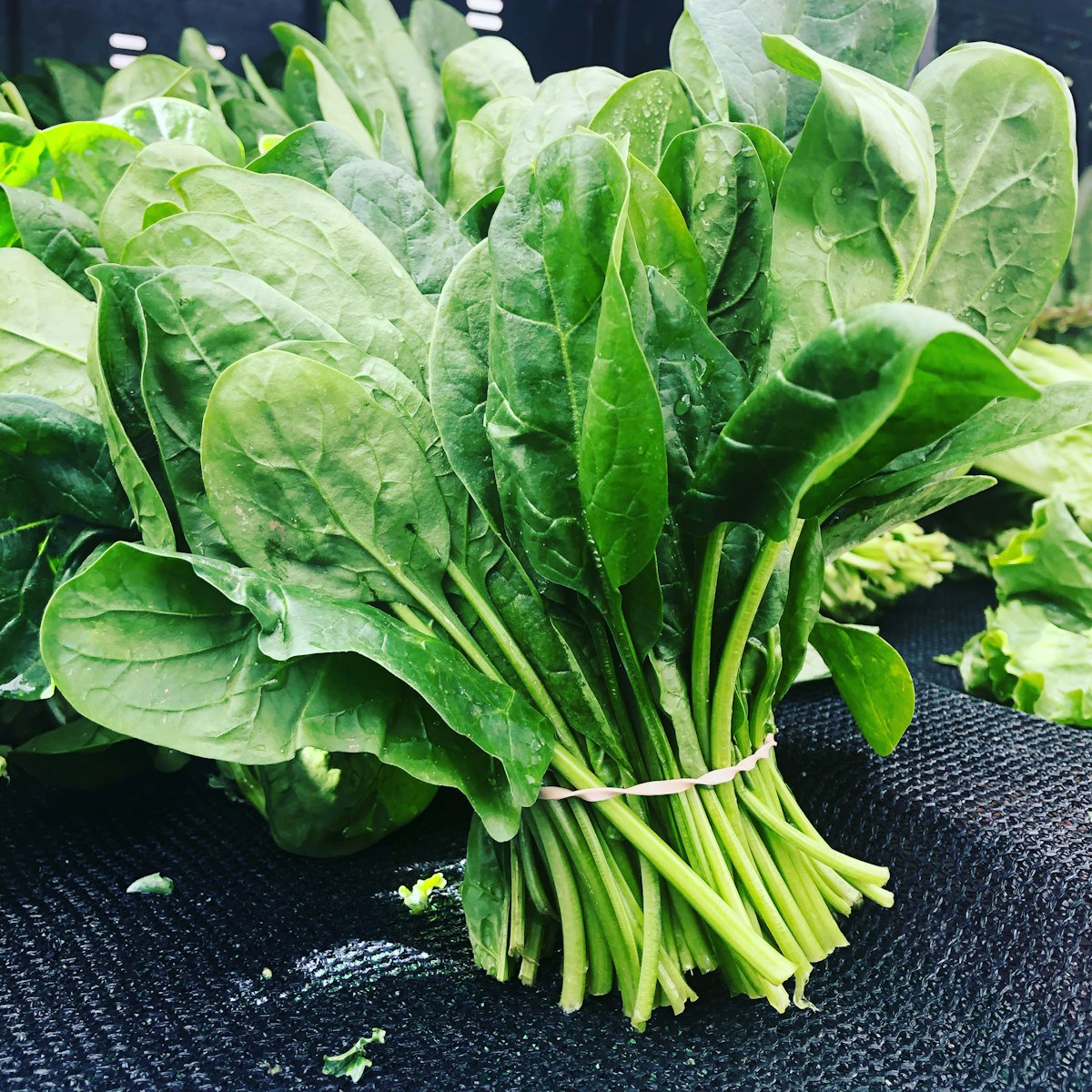
Original source illustration; may show a general food category.
Malabar Spinach is not a true spinach and thrives in warm climates. It can be grown year-round in areas without frost. The leaves are thick and succulent, providing a slightly peppery flavor.
Country stock records are private to assigned managers.
Food-waste calculator
Estimate food you can keep out of the bin by using or sharing it.
Potential food saved1 kg
If you use or share 1 kg of Malabar Spinach instead of discarding it, that is 1 kg kept out of the bin.
This uses only your entered amount. It does not claim measured waste reduction or convert pieces and packs into invented weights.
Overview
Malabar Spinach is not a true spinach and thrives in warm climates. It can be grown year-round in areas without frost. The leaves are thick and succulent, providing a slightly peppery flavor.
Origin & history
ancient uses: Used as a vegetable and in traditional remedies.
region of origin: Southeast Asia
country of origin: India
historical timeline: year: 1200
event: Introduced to Southeast Asia via trade routes.
cultural significance: Popular in monsoon regions for its nutritional value.
domestication history: Used in traditional culinary practices for centuries.
traditional importance: Often featured in celebratory dishes.
historical trade routes: Ancient trade routes connecting India and Southeast Asia.
Growing & production
climate: Warm and humid
diseases: Root rot
Leaf spot
rainfall: Moderate to high rainfall
harvesting: Leaves harvested continuously once established
irrigation: Regular watering needed
temperature: Optimal 25-30°C
growing season: Spring to fall
harvest period: 3 months after planting
yield per acre: Around 10 tons
growing regions: Tropical
Subtropical
pest management: Preventive practices recommended, aphids may be an issue
planting methods: Seeds or cuttings
soil requirements: Well-drained, fertile loamy soil
organic cultivation: Effective with compost and natural pest control
fertilizer requirements: Balanced fertilizer during growth
Malabar Spinach is rich in vitamins and minerals, making it beneficial for eye health, skin, and immune function. Its high fiber aids in digestion and may contribute to weight management.
Health notes
major: Rich in fibre, vitamins A and C, folate, potassium and plant polyphenols.
Low in calories and high in water content — supports weight management and hydration.
Regular vegetable intake is linked to lower rates of cardiovascular disease and type 2 diabetes.
evidence: Consensus among USDA, NIH and WHO reviews is that malabar spinach contributes positively to a balanced eating pattern when consumed in appropriate portions.
Storage
freezing: Can be blanched and then frozen
shelf life: Week in the fridge, months in the freezer
refrigeration: Best stored in perforated bags
best practices: Use within a week
Store in cool, dry place
common mistakes: Not rinsing leaves before storage
storage methods: Refrigeration
Freezing
spoilage indicators: Yellowing leaves
Slimy texture
Preparation
cutting: Use clean kitchen scissors to cut leaves.
washing: Use cold water and pat dry.
cleaning: Rinse under running water to remove dirt.
buying tips: Choose bright green and fresh leaves
cooking methods: Sautéing
Boiling
Stir-frying
freshness indicators: Bright color
Firm texture
seasonal buying guide: Best when grown locally in summer.
Practical tips
**Cleaning**
Rinse under running water to remove dirt.
**Washing**
Use cold water and pat dry.
**Cutting**
Use clean kitchen scissors to cut leaves.
Recipes
name: Malabar Spinach Stir Fry
tags: vegetarian
quick
healthy
tips: Serve hot with rice.
method: Heat oil in a pan.
Add chopped onion and garlic.
Sauté until golden.
Add spinach and stir fry.
Cook until wilted.
region: Kerala
country: India
cuisine: Indian
servings: 2
cook time: 15 min
image url: https://example.com/malabar_spinach_stir_fry.jpg
nutrition: protein: 4
calories: 140
prep time: 10 min
chef notes: Great as a side dish.
difficulty: Easy
description: A quick and healthy stir fry featuring Malabar Spinach.
ingredients: 200g Malabar Spinach
2 tbsp oil
1 onion
2 garlic cloves
Salt to taste
recipe source: Traditional Indian Recipe
suitable diets: Vegan
Transportation
humidity: 80-90%
packaging: Ventilated containers
shelf life: 7-14 days under refrigeration
export handling: Careful handling to prevent bruising
shipping methods: Road and air
storage temperature: 4-7°C
cold chain requirements: Not required, but cooler temperatures extend freshness
transportation constraints: Local buy; limited global market
Sustainability
climate resilience: Adaptable to varying climate conditions.
sustainable farming: Practiced in many local farms.
environmental impact: Low due to minimal pesticide use.
organic certification: Available from local producers.
pollinator importance: Supports local pollinators.
More about this food
Malabar Spinach is traditionally used in Indian and Southeast Asian cuisine.
It can grow up to 10 feet in height if supported.
Rich in vitamins A and C, calcium, and iron.
Source references
url: https://example.com/research
type: journal
year: 2023
title: Nutritional properties of Basella alba
authors: Doe, J.
publisher: Journal of Food Science
Kerala & United States locality guides
Regional guides; these links do not establish local product availability.