Imported source research draft. Nutrition, health claims and linked references have not been independently verified.
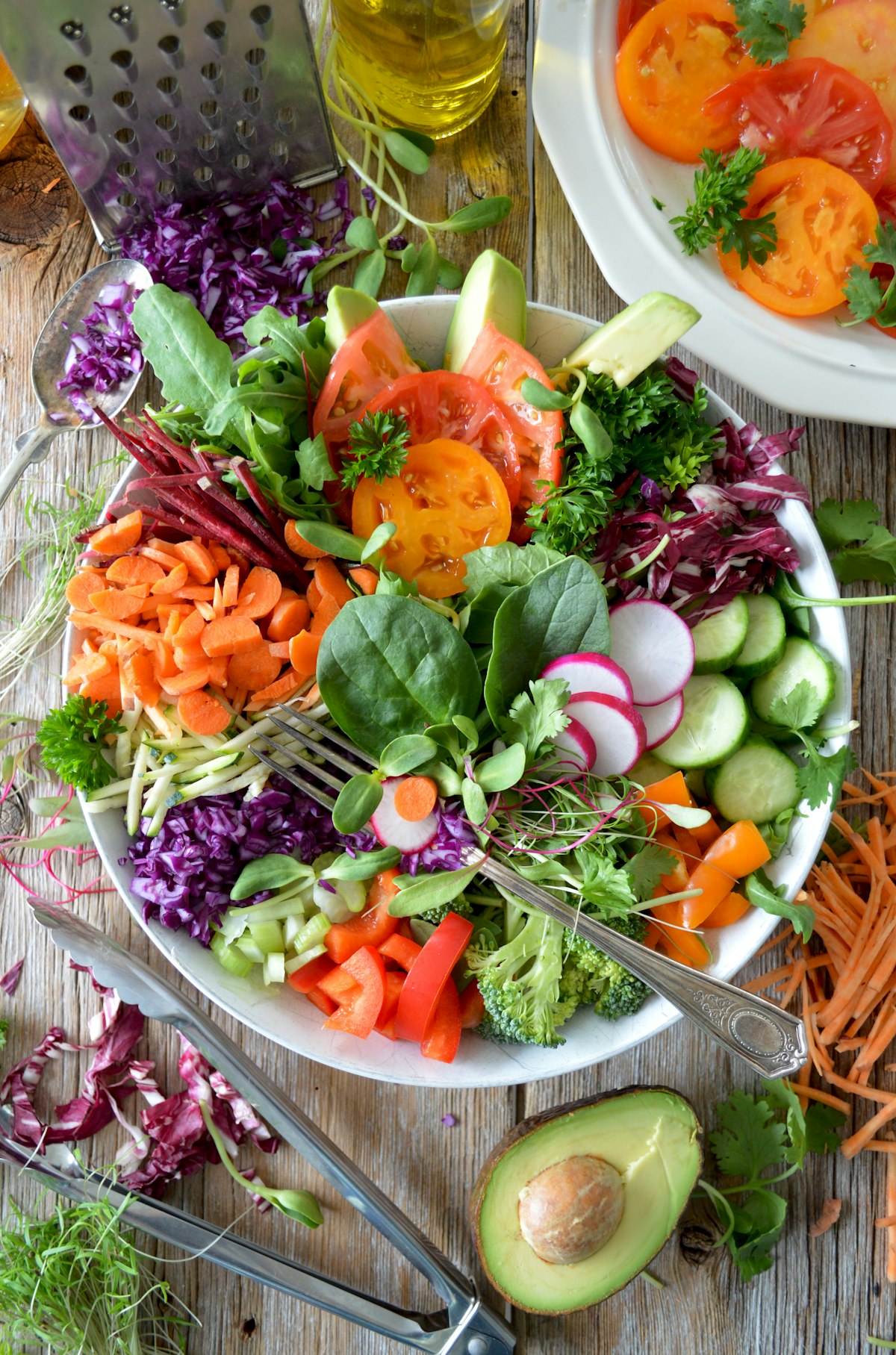
Original source illustration; may show a general food category.
Red onions are sweeter than yellow onions and have a mild flavor. They are often used in salads and garnishes due to their attractive color.
Country stock records are private to assigned managers.
Food-waste calculator
Estimate food you can keep out of the bin by using or sharing it.
Potential food saved1 kg
If you use or share 1 kg of Red Onion instead of discarding it, that is 1 kg kept out of the bin.
This uses only your entered amount. It does not claim measured waste reduction or convert pieces and packs into invented weights.
Overview
Red onions are sweeter than yellow onions and have a mild flavor. They are often used in salads and garnishes due to their attractive color.
Origin & history
ancient uses: Used for flavoring and as a traditional remedy.
region of origin: Asia
country of origin: Iran
historical timeline: year: -5000
event: Cultivated in ancient Egypt.
year: 2000
event: Introduced to Europe via trade.
cultural significance: Regarded as a symbol of eternity in ancient Egypt.
domestication history: Domesticated in ancient cultures for culinary and medicinal purposes.
traditional importance: A staple ingredient in many cuisines.
historical trade routes: Part of the Silk Road trade.
Growing & production
climate: Temperate
diseases: Onion downy mildew
Botrytis rot
rainfall: Moderate rainfall needed.
harvesting: When the tops droop and turn yellow.
irrigation: Regular watering, especially in dry periods.
temperature: Prefer 13-24°C (55-75°F).
growing season: Spring to late summer.
harvest period: Late summer to early autumn.
yield per acre: 20,000 - 30,000 lbs
growing regions: North America
Europe
Asia
pest management: Use of integrated pest management practices.
planting methods: Direct seeding or transplanting seedlings.
soil requirements: Well-drained, fertile soil with high organic matter.
organic cultivation: Commonly grown organically.
fertilizer requirements: Balanced fertilizer during growth.
Nutrition draft
per 100g: fat g: 0.1
carbs g: 9.3
fiber g: 1.7
iron mg: 0.2
sugar g: 4.2
water g: 92
zinc mg: 0.17
calories: 40
protein g: 1.1
sodium mg: 4
calcium mg: 23
folate mcg: 19
magnesium mg: 10
potassium mg: 146
vitamin a iu: 2
vitamin c mg: 7
vitamin k mcg: 0.4
saturated fat g: 0
per serving: fat g: 0.1
carbs g: 9.3
calories: 40
protein g: 1.1
serving size: 100g
antioxidants: Quercetin
glycemic load: 1
glycemic index: 10
phytochemicals: Sulfur compounds
Nutrition notes
Red onions are known for their health benefits, including anti-inflammatory and antioxidant properties due to their high content of flavonoids and vitamin C. They're beneficial for heart health, may help regulate blood sugar levels, and support immune function. With regular consumption, they can contribute to optimal health and wellness.
Health notes
major: Rich in fibre, vitamins A and C, folate, potassium and plant polyphenols.
Low in calories and high in water content — supports weight management and hydration.
Regular vegetable intake is linked to lower rates of cardiovascular disease and type 2 diabetes.
evidence: Consensus among USDA, NIH and WHO reviews is that red onion contributes positively to a balanced eating pattern when consumed in appropriate portions.
Storage
freezing: Not recommended as it alters texture.
shelf life: 1-2 months when stored in cool, dark conditions.
dry storage: Store in a cool, dark place.
refrigeration: Can be stored in the fridge for longer shelf life.
best practices: Avoid storing near potatoes.
common mistakes: Storing in plastic bags.
storage methods: Dry storage
Refrigeration
spoilage indicators: Soft spots
Sprouting
Preparation
cutting: Use a sharp knife to prevent crushing.
peeling: Remove the outer skin before use.
washing: Clean thoroughly before cutting.
cleaning: Rinse under cold water to remove dirt.
buying tips: Choose firm, smooth bulbs with no soft spots.
cooking methods: Raw
Sautéed
Caramelized
freshness indicators: Firmness
Color vibrant
seasonal buying guide: Best in summer and fall.
Practical tips
**Cleaning**
Rinse under cold water to remove dirt.
**Washing**
Clean thoroughly before cutting.
**Peeling**
Remove the outer skin before use.
**Cutting**
Use a sharp knife to prevent crushing.
Recipes
name: Classic French Onion Soup
tags: soup
French
method: Slice onions thinly.
Melt butter in a pot and add onions.
Cook until caramelized.
Add broth and simmer for 30 minutes.
Serve in bowls with baguette and cheese on top.
region: France
country: France
cuisine: French
servings: 4
cook time: 60 minutes
image url: https://example.com/french_onion_soup.jpg
prep time: 15 minutes
video url: https://youtube.com/examplevideo
chef notes: Use fresh, high-quality ingredients for the best flavor.
difficulty: Medium
description: A comforting soup made with caramelized onions and topped with melted cheese.
ingredients: 4 large red onions
2 tablespoons butter
5 cups beef broth
1 baguette
1 cup Gruyere cheese
youtube url: https://youtube.com/examplevideo
recipe source: Tradition French Cookbooks
Transportation
humidity: Low humidity to prevent sprouting.
packaging: Burlap sacks or ventilated cartons.
shelf life: 2-3 months in proper conditions.
export handling: Careful handling to prevent bruising.
shipping methods: Truck and sea freight.
storage temperature: 0-4°C (32-39°F).
cold chain requirements: Not strictly necessary but preferred.
transportation constraints: Avoiding moisture during transport.
Sustainability
climate resilience: Adaptable to various climates.
land use m2 per kg: 2
sustainable farming: Promotes crop rotation and sustainable practices.
environmental impact: Minimal impact when grown sustainably.
organic certification: Available and increasingly popular.
pollinator importance: Helps in attracting beneficial insects.
regenerative agriculture: Support regenerative practices to maintain soil health.
water footprint l per kg: 560
carbon footprint kgco2e per kg: 0.5
More about this food
Red onions contain anthocyanins which give them their color and may provide health benefits.
They are often used in raw dishes because of their milder taste compared to other onions.
Source references
url: https://agresearch.in/onions
type: report
year: 2022
title: Onion Cultivation Guide
authors: John Doe
publisher: Agricultural Research Institute
Kerala & United States locality guides
Regional guides; these links do not establish local product availability.