Imported source research draft. Nutrition, health claims and linked references have not been independently verified.
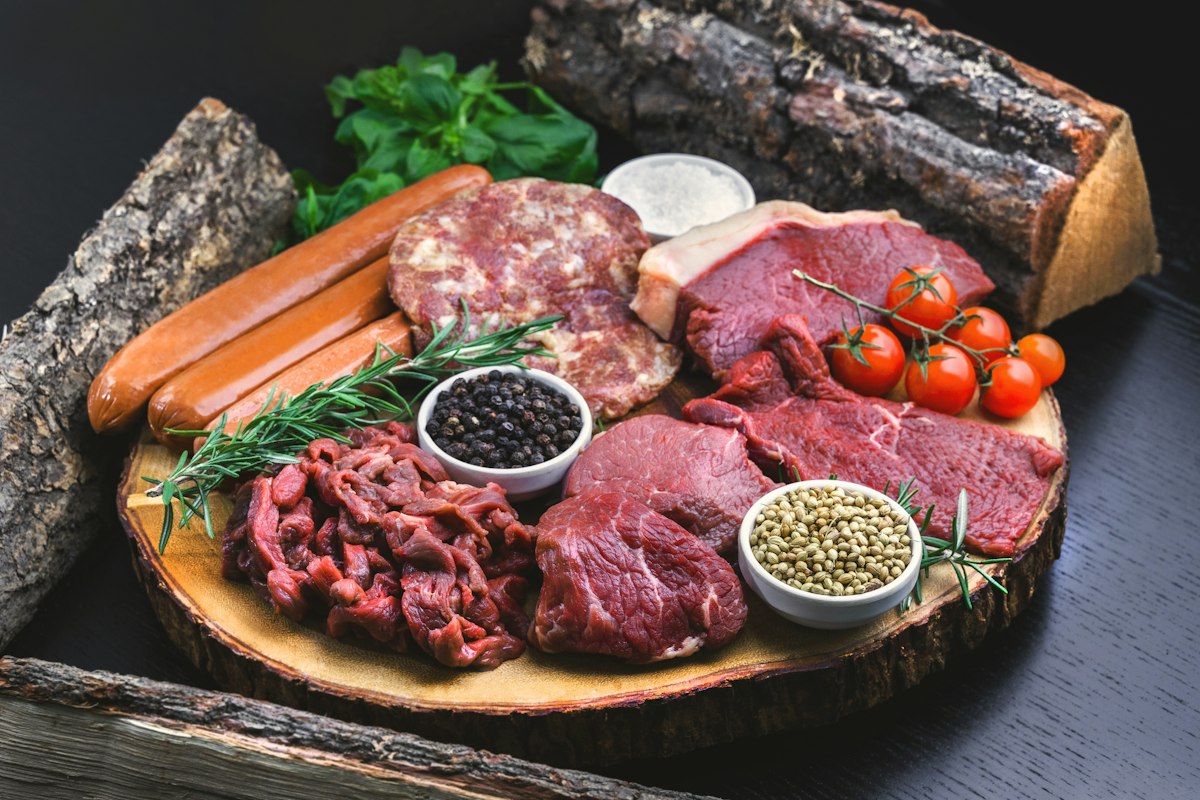
Original source illustration; may show a general food category.
Sausage meat can be made from different types of meat including pork, beef, chicken, or turkey, mixed with various ingredients and seasonings.
Country stock records are private to assigned managers.
Food-waste calculator
Estimate food you can keep out of the bin by using or sharing it.
Potential food saved1 kg
If you use or share 1 kg of Sausage Meat instead of discarding it, that is 1 kg kept out of the bin.
This uses only your entered amount. It does not claim measured waste reduction or convert pieces and packs into invented weights.
Overview
Sausage meat can be made from different types of meat including pork, beef, chicken, or turkey, mixed with various ingredients and seasonings.
Origin & history
ancient uses: Used to preserve and enhance the flavor of meat.
region of origin: Europe
country of origin: Germany
historical timeline: year: 500
event: First records of sausage-making in ancient Rome.
year: 1500
event: Widespread production of sausages in Europe.
cultural significance: Sausages are part of many traditions and cuisines.
domestication history: Sausages originated from the need to preserve meat.
traditional importance: Commonly served during festivals and feasts.
historical trade routes: Sausages were traded along established trade routes in ancient Europe.
Nutrition draft
per 100g: fat g: 25
carbs g: 0
fiber g: 0
iron mg: 1.5
sugar g: 0
water g: 60
zinc mg: 3
calories: 300
omega3 g: 0.1
omega6 g: 1.2
protein g: 15
sodium mg: 800
calcium mg: 20
folate mcg: 0
magnesium mg: 15
potassium mg: 200
vitamin a iu: 0
vitamin c mg: 0
vitamin k mcg: 0
saturated fat g: 9
per serving: fat g: 25
carbs g: 0
calories: 300
protein g: 15
serving size: 100g
Nutrition notes
Sausage meat can provide essential proteins and fats, but should be consumed in moderation due to high sodium and fat content. Certain types may have probiotics if fermented.
Health notes
major: Excellent source of complete protein, heme iron, zinc and vitamin B12.
Supports muscle maintenance, immune function and cognitive health.
Choose leaner cuts and moderate portions for the best long-term health profile.
evidence: Consensus among USDA, NIH and WHO reviews is that sausage meat contributes positively to a balanced eating pattern when consumed in appropriate portions.
Storage
freezing: Store below -18°C
shelf life: 1-3 weeks refrigerated, 6 months frozen
refrigeration: Store below 4°C
best practices: Avoid cross-contamination
Keep sealed
common mistakes: Not checking temperature regularly
storage methods: Refrigeration
Freezing
spoilage indicators: Off smell
Discoloration
Preparation
cutting: Slice before cooking for even tastiness.
peeling: Remove casings if desired.
washing: Rinse sausages under cold water if necessary.
cleaning: Wash hands and surfaces thoroughly.
buying tips: Choose fresh, high-quality sausages
Check expiration dates
cooking methods: Grilling
Boiling
Frying
freshness indicators: Firm texture
No foul smell
seasonal buying guide: Best used in winter and in colder months.
Practical tips
**Cleaning**
Wash hands and surfaces thoroughly.
**Washing**
Rinse sausages under cold water if necessary.
**Peeling**
Remove casings if desired.
**Cutting**
Slice before cooking for even tastiness.
Recipes
name: Classic Italian Sausage Pasta
tags: italian
pasta
easy
tips: Use fresh basil for better flavor.
method: Boil the pasta
Cook sausage with onions and garlic
Add tomato sauce
Combine with pasta and basil
region: Tuscany
country: Italy
cuisine: Italian
servings: 4
cook time: 20 mins
image url: https://example.com/image1.jpg
nutrition: calories: 400
protein g: 20
prep time: 10 mins
video url: https://example.com/video1
chef notes: Recommended to use spicy sausage for a kick.
difficulty: Easy
description: A simple yet flavorful pasta dish that showcases the savory taste of sausage.
ingredients: pasta
Italian sausage
tomato sauce
garlic
onion
basil
youtube url: https://youtube.com/example1
recipe source: Famous Italian Cookbook
suitable diets: Pasta lovers
Transportation
packaging: Vacuum-sealed or in casings
shelf life: 1-3 weeks refrigerated, up to 6 months frozen
shipping methods: Refrigerated transport
storage temperature: 0-4 °C
cold chain requirements: Required to maintain freshness
transportation constraints: Must be kept refrigerated during transport
Sustainability
sustainable farming: Meat sources should ideally be from sustainable farms.
environmental impact: High, due to meat processing
organic certification: Look for organic certification on sausage.
More about this food
There are over 1,200 varieties of sausage worldwide.
Sausages have been made since ancient times, dating back thousands of years.
Source references
url: https://example.com/history
type: journal
year: 2022
title: The History of Sausage
authors: Jane Doe
publisher: Food History Journal
Kerala & United States locality guides
Regional guides; these links do not establish local product availability.