Imported source research draft. Nutrition, health claims and linked references have not been independently verified.
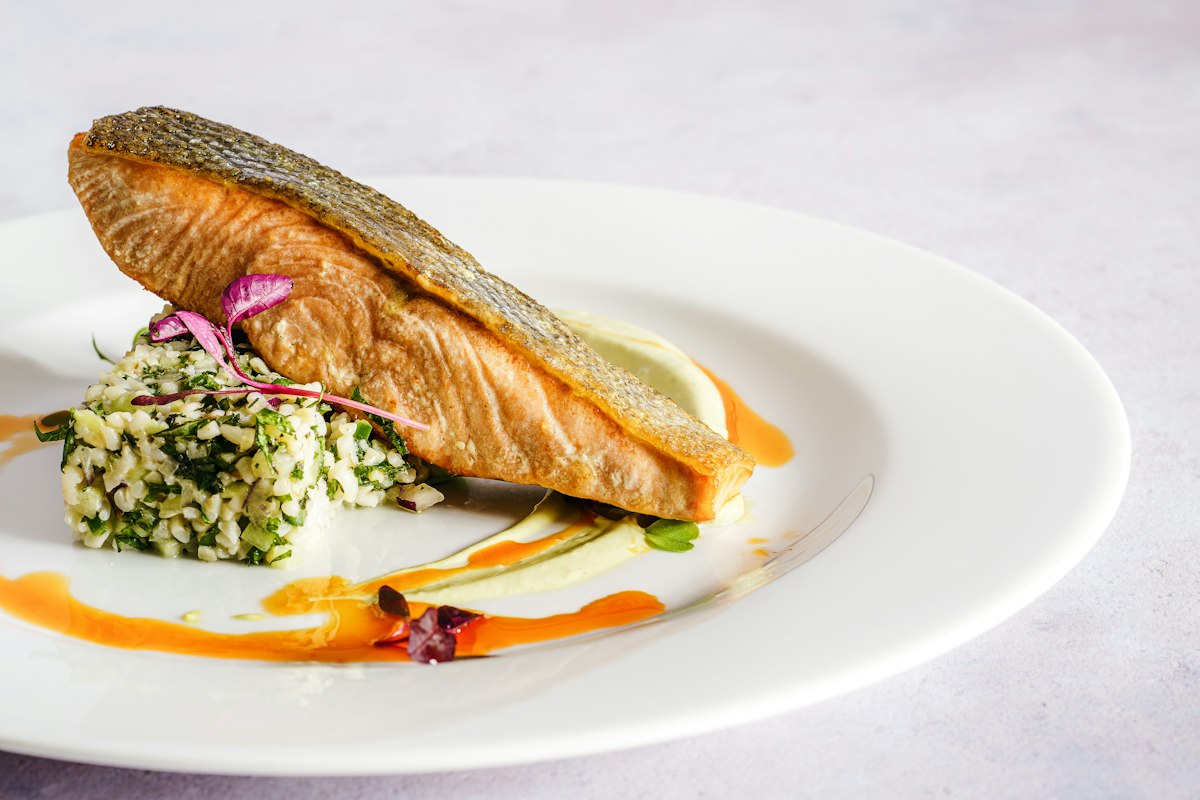
Original source illustration; may show a general food category.
Sockeye Salmon is known for its rich flavor and firm texture. It is often recognized by its bright red flesh that quickly turns to a deep red hue during spawning. It is typically found in the Pacific Ocean, particularly along the coasts of North America.
Country stock records are private to assigned managers.
Food-waste calculator
Estimate food you can keep out of the bin by using or sharing it.
Potential food saved1 kg
If you use or share 1 kg of Sockeye Salmon instead of discarding it, that is 1 kg kept out of the bin.
This uses only your entered amount. It does not claim measured waste reduction or convert pieces and packs into invented weights.
Overview
Sockeye Salmon is known for its rich flavor and firm texture. It is often recognized by its bright red flesh that quickly turns to a deep red hue during spawning. It is typically found in the Pacific Ocean, particularly along the coasts of North America.
Origin & history
ancient uses: Native Americans used Sockeye Salmon as a primary food source, preserving it through smoking and drying.
region of origin: Pacific Northwest
country of origin: United States
historical timeline: year: 2000
event: Sockeye Salmon populations began to dwindle due to overfishing.
year: 2010
event: Conservation efforts initiated to restore Sockeye populations.
cultural significance: Sockeye Salmon holds a revered place in the culture and traditions of many Indigenous peoples of the Pacific Northwest.
domestication history: Sockeye Salmon have been present in North America for thousands of years and were used as a major food source by Native American tribes.
traditional importance: Sockeye Salmon is celebrated in many cultural rituals and festivals.
historical trade routes: Sockeye Salmon were historically traded among Native American tribes along the Pacific Coast.
Growing & production
climate: Temperate coastal climate
rainfall: Moderate to high
harvesting: Harvested from wild fisheries and aquaculture.
temperature: Sea temperatures around 6 to 14 °C
growing season: Year-round in the ocean; spawning in freshwater streams.
harvest period: April to September
growing regions: Alaska
British Columbia
Pacific Northwest
Sockeye Salmon is rich in omega-3 fatty acids that promote heart health and may help reduce inflammation. It is also a great source of high-quality protein, vitamins, and minerals, making it beneficial for muscle health and overall wellness.
Health notes
major: Rich in long-chain omega-3 fatty acids (EPA and DHA) that support heart and brain health.
High-quality complete protein plus vitamin D, iodine and selenium.
Two servings of fatty fish per week is linked to reduced cardiovascular risk.
evidence: Consensus among USDA, NIH and WHO reviews is that sockeye salmon contributes positively to a balanced eating pattern when consumed in appropriate portions.
Storage
freezing: Can be frozen for extended shelf life
shelf life: 3-5 days refrigerated
refrigeration: Store at 0-4 °C
best practices: Keep it on ice
Use within 2 days of purchase
common mistakes: Not keeping it cold enough
Keeping it too long in fridge
storage methods: Refrigeration
Freezing
spoilage indicators: Off smell
Slimy texture
Preparation
cutting: Use a sharp knife to fillet if needed.
washing: Wash hands and surfaces before handling.
cleaning: Rinse under cold water to remove any surface contaminants.
buying tips: Look for bright red flesh and a fresh smell.
cooking methods: Grilling
Baking
Seeding
freshness indicators: Bright skin
Firm flesh
seasonal buying guide: Best purchased in spring and summer months.
Practical tips
**Cleaning**
Rinse under cold water to remove any surface contaminants.
**Washing**
Wash hands and surfaces before handling.
**Cutting**
Use a sharp knife to fillet if needed.
Recipes
name: Grilled Sockeye Salmon with Lemon
tags: grilled
healthy
seafood
tips: Marinate for 30 minutes for enhanced flavor.
method: Preheat grill to medium-high heat.
Whisk together lemon juice, olive oil, salt, and pepper.
Brush the mixture over the salmon fillets.
Place salmon on the grill and cook for 5-7 minutes per side.
Garnish with fresh herbs before serving.
region: Pacific Northwest
country: United States
cuisine: American
servings: 4
cook time: 15 minutes
image url: https://example.com/grilled_sockeye_salmon.jpg
nutrition: fat: 12
carbs: 0
protein: 30
calories: 250
prep time: 10 minutes
video url: https://youtube.com/example_grilled_sockeye_salmon
chef notes: Ensure grill is properly preheated to avoid sticking.
difficulty: Easy
description: A simple yet flavorful grilled salmon dish perfect for summer.
ingredients: 4 fillets of sockeye salmon
1 lemon, juiced
2 tbsp olive oil
Salt and pepper to taste
Fresh herbs for garnish
youtube url: https://youtube.com/example_grilled_sockeye_salmon
recipe source: Food Network
suitable diets: Paleo
Gluten-free
Transportation
packaging: Vacuum sealed or ice packed
shelf life: 3-5 days refrigerated; up to 6 months frozen
shipping methods: Air and refrigerated trucks
storage temperature: 0-4 °C
cold chain requirements: Must be kept at 0-4 °C
Sustainability
climate resilience: Native to waters that are expected to warm due to climate change.
sustainable farming: Sourced from well-managed fisheries.
environmental impact: Overfishing concerns, but sustainable practices are improving populations.
water footprint l per kg: 500
carbon footprint kgco2e per kg: 2.2
More about this food
Sockeye Salmon can jump up to 10 feet out of the water.
They are one of the most sought-after fish for sport fishing due to their aggressive nature.
Source references
url: https://www.fisheries.noaa.gov
type: report
title: Environmental Assessment of Sockeye Salmon
authors: National Oceanic and Atmospheric Administration
publisher: NOAA Fisheries
Kerala & United States locality guides
Regional guides; these links do not establish local product availability.