Imported source research draft. Nutrition, health claims and linked references have not been independently verified.
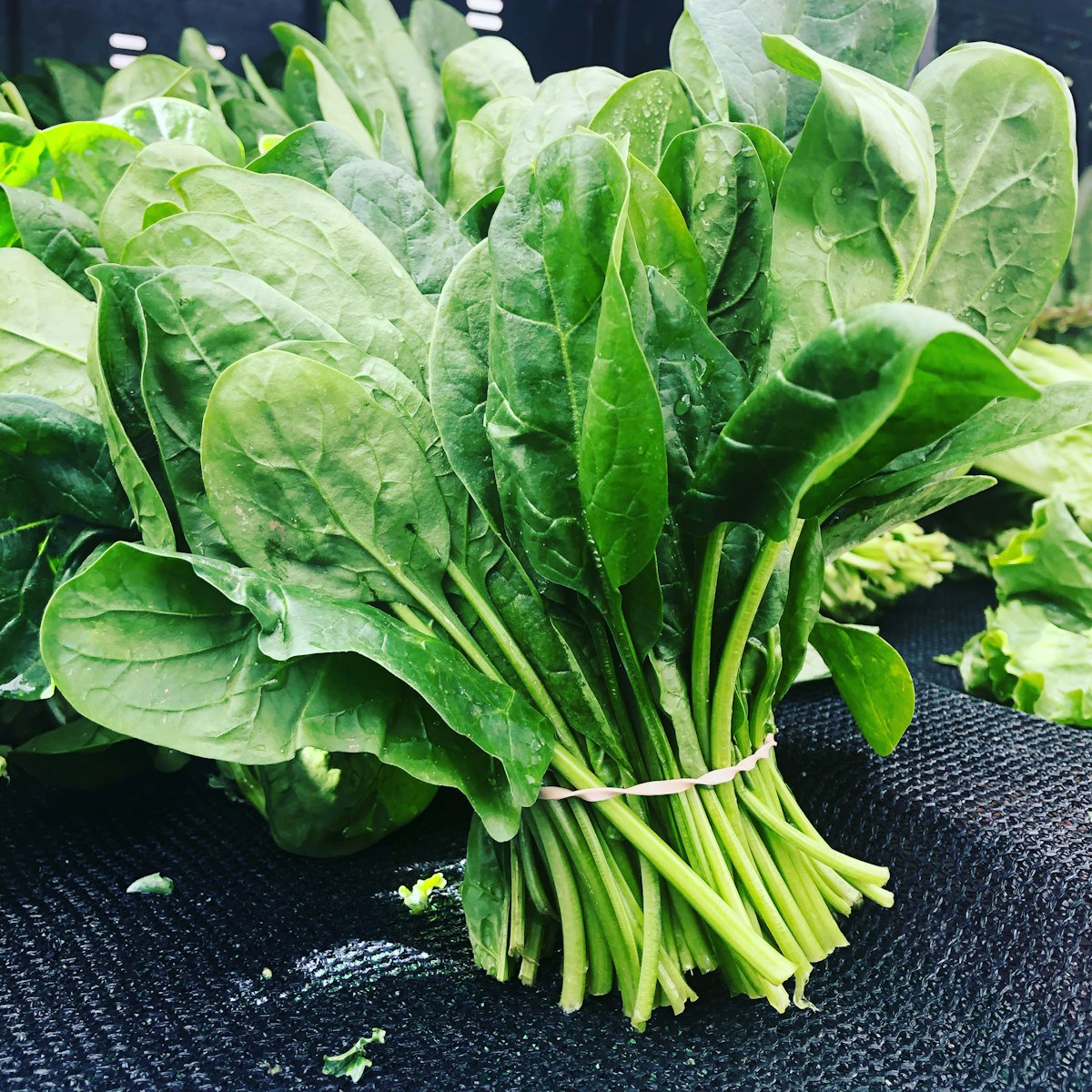
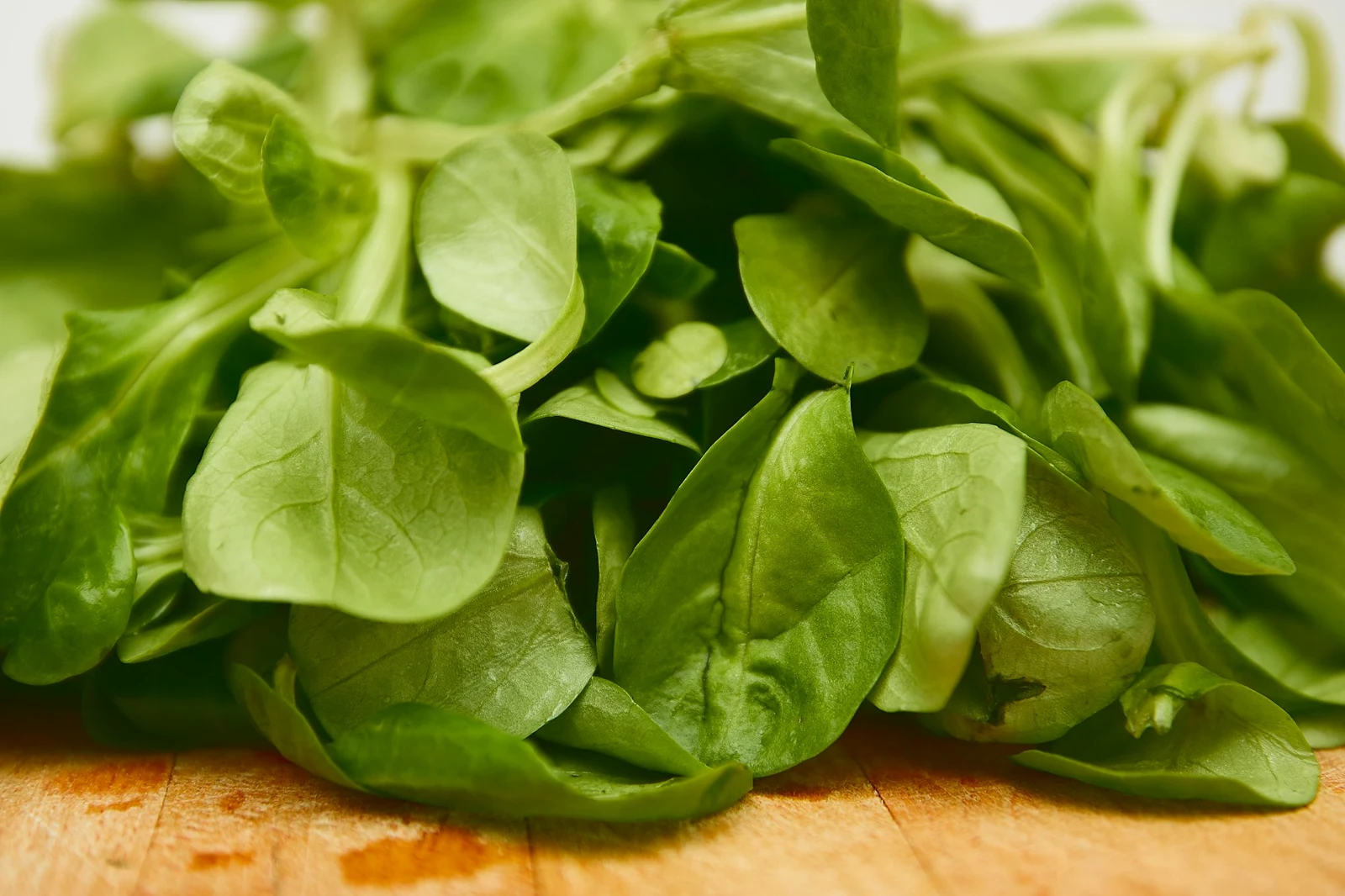
Original source illustration; may show a general food category.
Spinach is a leafy green flowering plant native to central and southwestern Asia. It is rich in iron, vitamins, and minerals, making it a popular addition to various cuisines around the world.
Country stock records are private to assigned managers.
Food-waste calculator
Estimate food you can keep out of the bin by using or sharing it.
Potential food saved1 kg
If you use or share 1 kg of Spinach instead of discarding it, that is 1 kg kept out of the bin.
This uses only your entered amount. It does not claim measured waste reduction or convert pieces and packs into invented weights.
Spinach is a leafy green flowering plant native to central and southwestern Asia. It is rich in iron, vitamins, and minerals, making it a popular addition to various cuisines around the world.
Origin & history
ancient uses: Brought to Europe through Spain in the 12th century.
region of origin: Middle East
country of origin: Persia (modern-day Iran)
historical timeline: year: -600
event: Spinach cultivated in Persia.
cultural significance: Often associated with Popeye the Sailor, promoting its health benefits.
domestication history: Domesticated over 2,000 years ago.
traditional importance: Consumed in various cultures as a source of nutrients.
historical trade routes: Spread via ancient trade routes across Europe and Asia.
Growing & production
climate: Temperate climates preferred.
diseases: Downy mildew
Powdery mildew
rainfall: Moderate rainfall needed.
harvesting: Leaves can be harvested continuously.
irrigation: Regular watering required.
hydroponics: Widely adapted to hydroponic systems.
temperature: Best grown in cool temperatures, 15-20°C.
growing season: Spring and fall.
harvest period: Approximately 40-50 days after sowing.
yield per acre: Up to 10 tons per acre.
growing regions: North America
Europe
Asia
pest management: Common pests include aphids and leaf miners.
planting methods: Seeds sown directly into the ground.
vertical farming: Increasingly utilized in urban agriculture.
soil requirements: Well-drained, fertile soil.
organic cultivation: Possible with crop rotation and natural pesticides.
greenhouse production: Used for year-round production.
fertilizer requirements: High nitrogen content fertilizer recommended.
Spinach is known for its rich nutrient profile, particularly vitamins A, C, and K, which help improve vision, skin health, and blood coagulation. It's also linked to improved bone health and offers anti-inflammatory properties.
Health notes
major: Rich in fibre, vitamins A and C, folate, potassium and plant polyphenols.
Low in calories and high in water content — supports weight management and hydration.
Regular vegetable intake is linked to lower rates of cardiovascular disease and type 2 diabetes.
evidence: Consensus among USDA, NIH and WHO reviews is that spinach contributes positively to a balanced eating pattern when consumed in appropriate portions.
Storage
freezing: Can be blanched and frozen for longer storage.
shelf life: 5-7 days in the fridge.
refrigeration: Store in a sealed bag in the fridge.
best practices: Keep dry
Avoid crushing leaves
common mistakes: Storing with moisture
Ignoring expiration dates
storage methods: Refrigeration
Freezing
spoilage indicators: Wilting
Yellowing leaves
Preparation
cutting: Chop or tear leaves into smaller pieces for salads.
washing: Soak in water to loosen soil, then rinse thoroughly.
cleaning: Rinse under cold water to remove dirt.
buying tips: Choose vibrant green leaves without yellowing.
cooking methods: Blanching
Sautéing
Steaming
freshness indicators: Crisp leaves
No wilting
seasonal buying guide: Best bought in early spring and fall.
Practical tips
**Cleaning**
Rinse under cold water to remove dirt.
**Washing**
Soak in water to loosen soil, then rinse thoroughly.
**Cutting**
Chop or tear leaves into smaller pieces for salads.
Recipes
name: Palak Paneer
tags: Indian
Vegetarian
Main Course
tips: Serve with roti.
method: Blanch spinach
Make a paste
Cook spices and onion
Add tomatoes and paneer.
region: North India
country: India
cuisine: Indian
servings: 4
cook time: 30 mins
image url: https://example.com/palak-paneer.jpg
nutrition: fat g: 12
carbs g: 15
calories: 200
protein g: 10
prep time: 20 mins
video url: https://youtube.com/examplevideo
chef notes: Adjust spices to taste.
difficulty: Medium
description: A popular Indian dish made with spinach and Indian cottage cheese.
ingredients: 250g spinach
200g paneer
2 onions
2 tomatoes
Spices
youtube url: https://youtube.com/example
recipe source: Online Cookbook
suitable diets: Vegetarian
Transportation
humidity: High humidity to keep leaves crisp.
packaging: Typically plastic clamshells or bags.
shelf life: Up to 7 days in the refrigerator.
export handling: Careful handling to prevent bruising.
shipping methods: Refrigerated trucks or containers.
storage temperature: Recommended at 0 to 4°C.
cold chain requirements: Necessary to maintain freshness.
transportation constraints: Perishable nature limits transportation distance.
Sustainability
climate resilience: Requires careful climate management.
land use m2 per kg: 1.5
sustainable farming: Implementing crop rotation and integrated pest management.
environmental impact: Moderate due to nutrient runoff.
organic certification: Available from various certified farms.
pollinator importance: N/A - not directly relevant.
regenerative agriculture: Increasing adoption in some regions.
water footprint l per kg: 200
More about this food
Spinach is high in oxalates, which can inhibit calcium absorption.

 Spinach