Imported source research draft. Nutrition, health claims and linked references have not been independently verified.
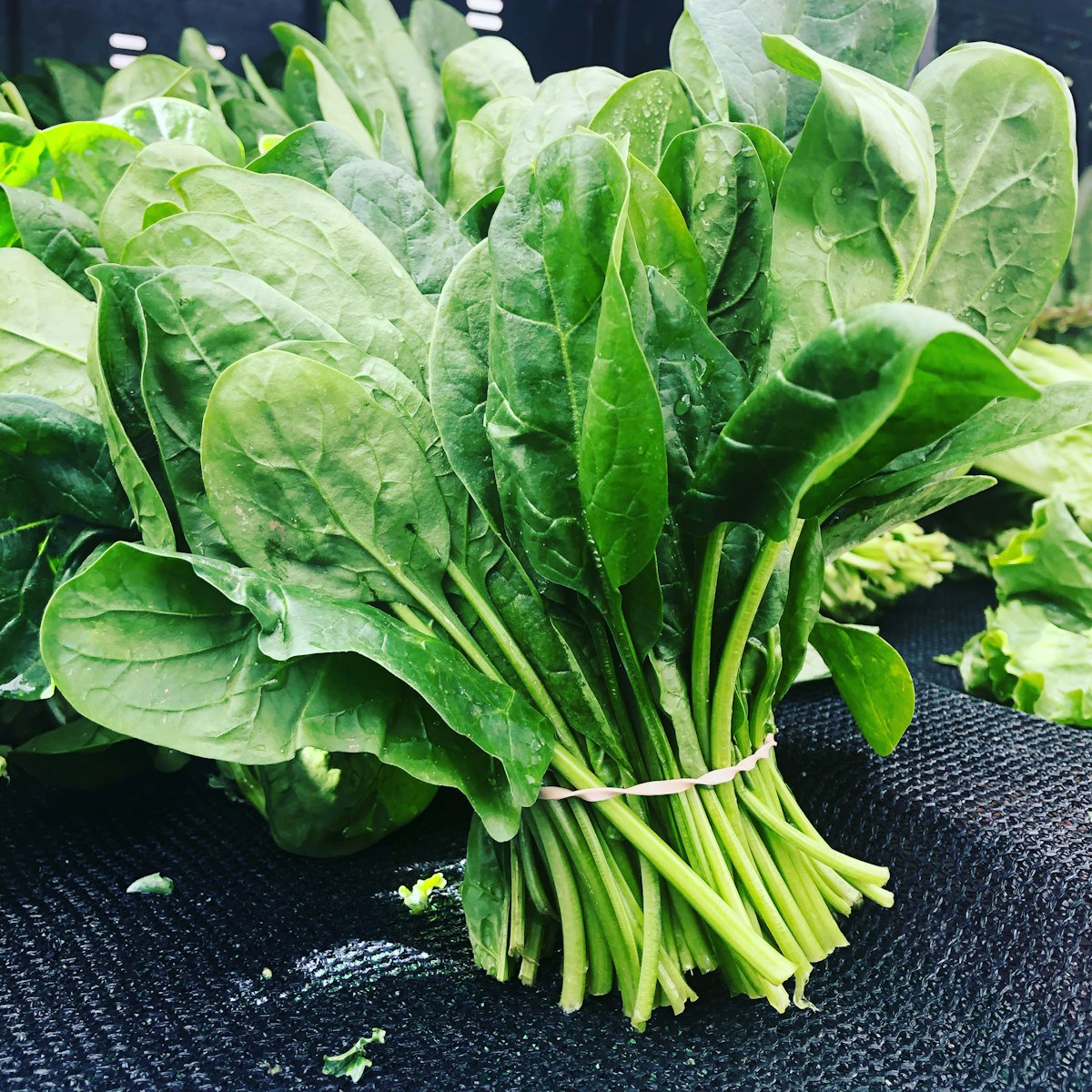
Original source illustration; may show a general food category.
Taro leaves are the large, heart-shaped leaves of the taro plant, a tropical plant grown primarily for its starchy edible corms but whose leaves are also used in various cuisines. They are green, glossy, and can be used in cooking when properly prepared to reduce toxicity.
Country stock records are private to assigned managers.
Food-waste calculator
Estimate food you can keep out of the bin by using or sharing it.
Potential food saved1 kg
If you use or share 1 kg of Taro Leaves instead of discarding it, that is 1 kg kept out of the bin.
This uses only your entered amount. It does not claim measured waste reduction or convert pieces and packs into invented weights.
Overview
Taro leaves are the large, heart-shaped leaves of the taro plant, a tropical plant grown primarily for its starchy edible corms but whose leaves are also used in various cuisines. They are green, glossy, and can be used in cooking when properly prepared to reduce toxicity.
Origin & history
ancient uses: Historically, taro was used as a food source and for ceremonial purposes in various cultures.
region of origin: Southeast Asia and South Pacific
country of origin: New Guinea
historical timeline: year: 2000
event: Domestication of taro in Southeast Asia.
year: 1500
event: Spread of taro cultivation to the islands of the Pacific.
cultural significance: In many Pacific cultures, taro is considered a sacred food, often associated with rituals.
domestication history: Taro is believed to have been domesticated over 2000 years ago.
traditional importance: Taro is a major staple in the diets of many Pacific Island nations.
historical trade routes: Taro was traded along the maritime routes between Asia and the Pacific Islands.
Growing & production
climate: Tropical and subtropical climates
diseases: Taro leaf blight
Taro mosaic virus
rainfall: Requires substantial water; typically thrives in wet conditions.
harvesting: Harvested 7-12 months after planting.
irrigation: Regular watering in the absence of floods is essential.
temperature: Optimal growth occurs at temperatures between 20°C and 35°C.
growing season: Grows year-round in tropical regions.
harvest period: Mainly in the dry season to prevent rotting.
yield per acre: 6-8 tons per acre.
growing regions: Southeast Asia
Pacific Islands
Sub-Saharan Africa
pest management: Common pests include aphids and taro leaf blight.
planting methods: Typically planted by corm division.
soil requirements: Well-drained, fertile soils rich in organic matter.
organic cultivation: Feasible through crop rotation and natural pest management.
fertilizer requirements: Needs high levels of nitrogen and potassium.
Taro leaves are nutritious and can contribute to overall health. They are rich in fiber, which aids digestion, and also contain important vitamins and minerals.
Health notes
major: Rich in fibre, vitamins A and C, folate, potassium and plant polyphenols.
Low in calories and high in water content — supports weight management and hydration.
Regular vegetable intake is linked to lower rates of cardiovascular disease and type 2 diabetes.
evidence: Consensus among USDA, NIH and WHO reviews is that taro leaves contributes positively to a balanced eating pattern when consumed in appropriate portions.
Storage
shelf life: Up to one week under proper refrigeration.
refrigeration: Highly recommended to extend freshness.
best practices: Keep leaves moist
Use within a few days of purchase
common mistakes: Storing in dry conditions
Ignoring spoilage signs
storage methods: Refrigeration
Controlled atmosphere storage
spoilage indicators: Yellowing of leaves
Wilting
controlled atmosphere storage: Effective to slow spoilage.
Preparation
cutting: Remove thick stems and any damaged areas.
washing: Rinse under running water.
cleaning: Wash thoroughly to remove dirt and pesticides.
buying tips: Choose fresh, vibrant leaves without discoloration.
cooking methods: Boiling
Steaming
Sautéing
freshness indicators: Bright green color
Firm texture
seasonal buying guide: Best sourced during local growing season.
Practical tips
**Cleaning**
Wash thoroughly to remove dirt and pesticides.
**Washing**
Rinse under running water.
**Cutting**
Remove thick stems and any damaged areas.
Recipes
name: Taro Leaf Stew
tags: stew
vegetarian
coconut
tips: Serve with rice for a complete meal.
method: Sauté onions, garlic, and ginger until fragrant.
Add coconut milk and taro leaves.
Simmer until leaves are tender.
region: Pacific Islands
country: Fiji
cuisine: Fijian
servings: 4
cook time: 40 minutes
image url: https://example.com/taro_leaf_stew.jpg
prep time: 20 minutes
chef notes: Ensure taro leaves are well-cooked to avoid irritation.
difficulty: Medium
description: A hearty stew made with taro leaves, coconut milk, and spices.
ingredients: Taro leaves
Coconut milk
Onion
Garlic
Ginger
Salt
Pepper
recipe source: Cookbook of Traditional Fijian Recipes
suitable diets: Vegetarian
Transportation
humidity: High humidity is needed to maintain freshness.
packaging: Typically packaged in breathable materials to prevent moisture build-up.
shelf life: 3-5 days in optimal conditions.
shipping methods: Air freight and refrigerated shipping preferred.
storage temperature: Store at 0-5°C.
cold chain requirements: Maintained to ensure freshness during transport.
Sustainability
climate resilience: Highly dependent on water management.
sustainable farming: Encouraging intercropping with other crops.
environmental impact: Low if practices are maintained properly.
More about this food
Taro leaves are a staple in many tropical cuisines.
They must be cooked before consumption due to the presence of calcium oxalate crystals, which can cause irritation.
Source references
url: https://example.com/research_article
type: journal
year: 2022
title: Nutritional Benefits of Taro Leaves
authors: Dr. Jane Doe
publisher: Journal of Tropical Agriculture
Kerala & United States locality guides
Regional guides; these links do not establish local product availability.