Imported source research draft. Nutrition, health claims and linked references have not been independently verified.
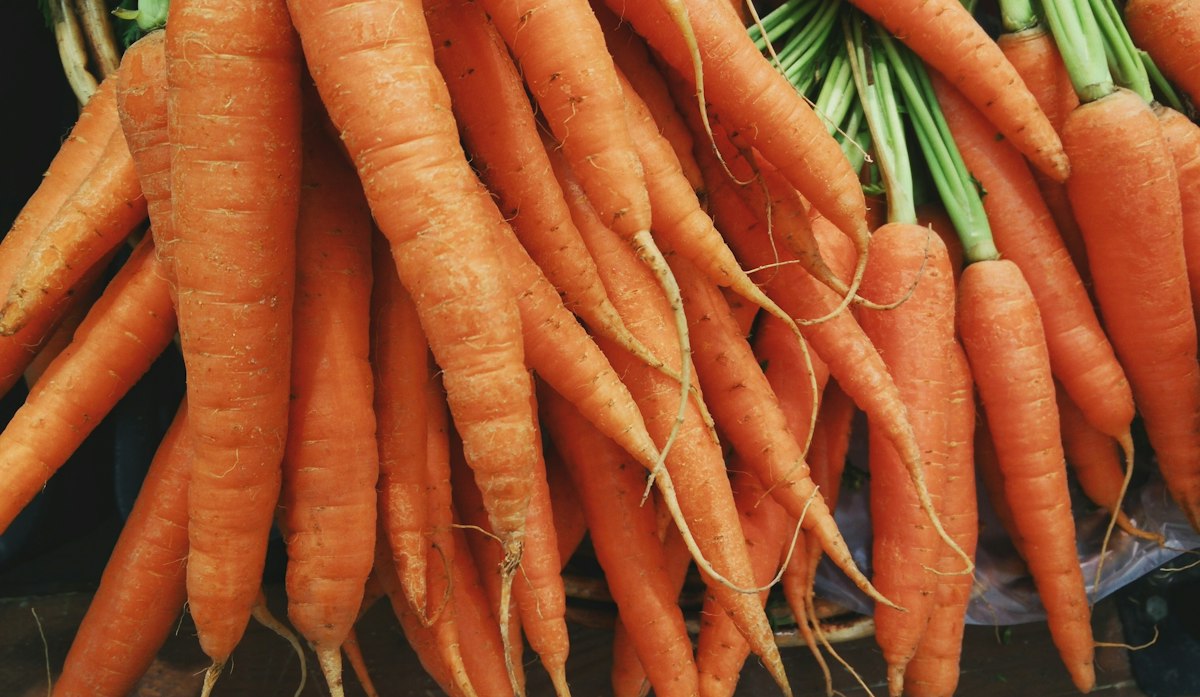
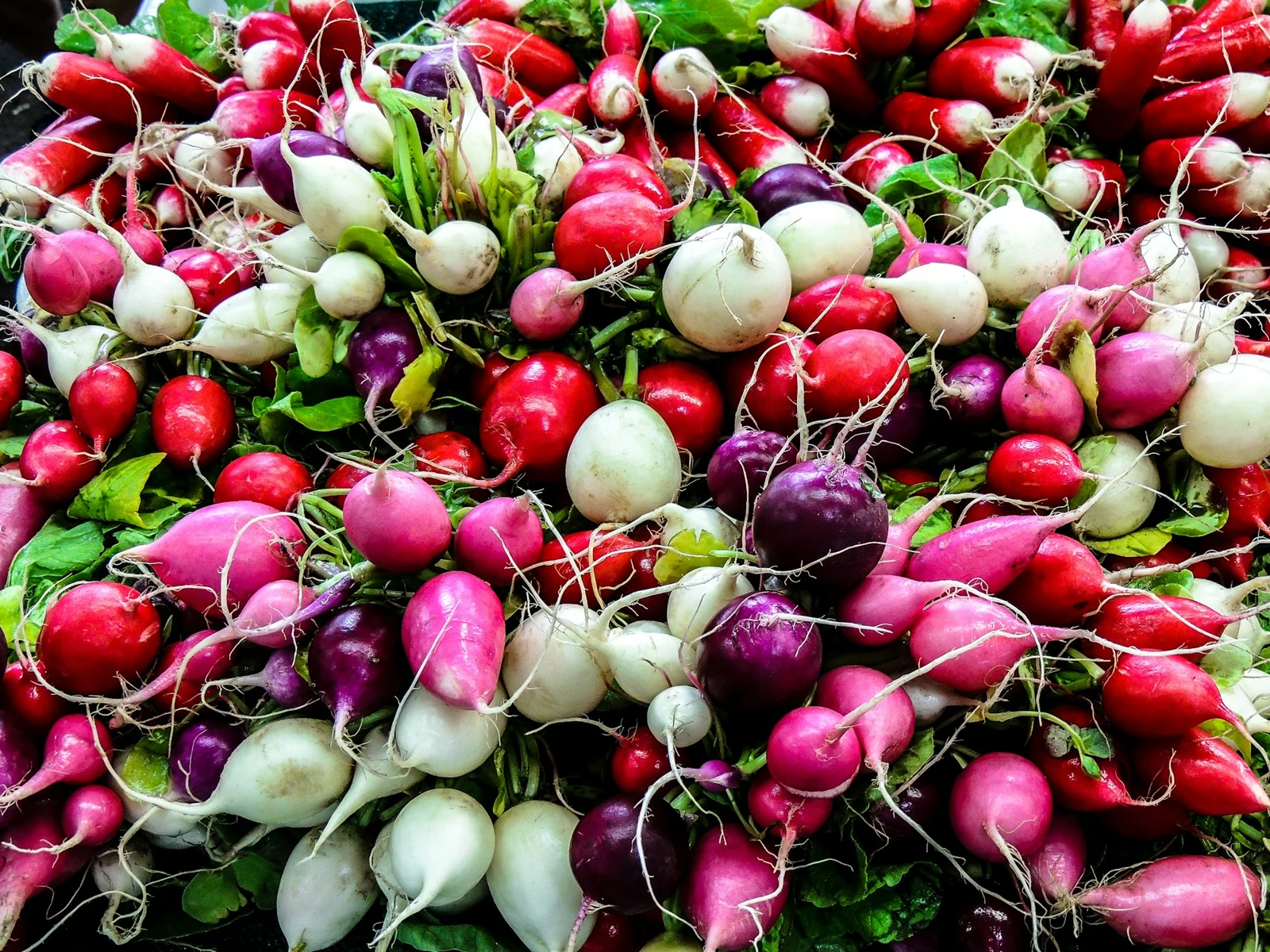
Original source illustration; may show a general food category.
Turnip is a cruciferous vegetable that is commonly found in temperate regions. It has a sweet and slightly peppery flavor, making it versatile for various culinary uses.
Country stock records are private to assigned managers.
Food-waste calculator
Estimate food you can keep out of the bin by using or sharing it.
Potential food saved1 kg
If you use or share 1 kg of Turnip instead of discarding it, that is 1 kg kept out of the bin.
This uses only your entered amount. It does not claim measured waste reduction or convert pieces and packs into invented weights.
Turnip is a cruciferous vegetable that is commonly found in temperate regions. It has a sweet and slightly peppery flavor, making it versatile for various culinary uses.
Origin & history
ancient uses: Consumed by Romans as a primary food source.
region of origin: Mediterranean
country of origin: Greece
historical timeline: year: -2000
event: Turnips were cultivated in the Mediterranean.
year: 1500
event: Turnips introduced to Northern Europe.
cultural significance: Turnips are featured in many folklore stories across cultures.
domestication history: Domesticated more than 2000 years ago.
traditional importance: Often used in winter food preservation.
historical trade routes: Used in trade across Europe and Asia.
Growing & production
climate: Cool temperate climate
diseases: Downy mildew
Clubroot
rainfall: Moderate rainfall preferred, not drought-tolerant
harvesting: Typically harvested 30-60 days after planting.
irrigation: Regular irrigation needed, especially in dry periods.
temperature: Optimal growth at 10-20°C (50-68°F)
growing season: Spring and fall
harvest period: Spring to early summer and late fall.
yield per acre: 2000-4000 kg
growing regions: North America
Europe
Asia
pest management: Common pests include aphids and root maggots.
planting methods: Direct seeding
soil requirements: Well-drained, loamy soil
organic cultivation: Turnips can be effectively grown using organic methods.
fertilizer requirements: Balanced NPK fertilizer recommended.
Nutrition draft
per 100g: fat g: 0.1
carbs g: 6.2
fiber g: 1.8
iron mg: 0.6
sugar g: 1.1
water g: 92
zinc mg: 0.3
calories: 28
omega3 g: 0
omega6 g: 0
protein g: 0.9
sodium mg: 18
calcium mg: 40
folate mcg: 18
magnesium mg: 15
potassium mg: 191
vitamin a iu: 0
vitamin c mg: 21
vitamin k mcg: 1.6
saturated fat g: 0
per serving: fat g: 0.1
carbs g: 6.2
calories: 28
protein g: 0.9
serving size: 100 g
antioxidants: Glucosinolates
glycemic load: 8
glycemic index: 30
phytochemicals: Indoles
Nutrition notes
Turnips are low in calories and high in nutrients, making them a great addition to a healthy diet. They support digestion, reduce inflammation, and provide essential vitamins and minerals.
Health notes
major: Rich in fibre, vitamins A and C, folate, potassium and plant polyphenols.
Low in calories and high in water content — supports weight management and hydration.
Regular vegetable intake is linked to lower rates of cardiovascular disease and type 2 diabetes.
evidence: Consensus among USDA, NIH and WHO reviews is that turnip contributes positively to a balanced eating pattern when consumed in appropriate portions.
Storage
freezing: Can be blanched and frozen.
shelf life: Up to 4 months in ideal conditions.
refrigeration: Best stored chilled in the fridge.
best practices: Keep away from ethylene-producing fruits
common mistakes: Storing in sealed bags without ventilation.
storage methods: Refrigeration
Root cellar
spoilage indicators: Soft spots
Smelly
Preparation
cutting: Slice or cube for cooking.
peeling: Peel if skin is thick or tough.
washing: Use a brush for tougher skin.
cleaning: Rinse under cold water to remove dirt.
buying tips: Choose firm, smooth turnips with no blemishes.
cooking methods: Boiling
Steaming
Roasting
Mashing
freshness indicators: Firmness
No soft spots
seasonal buying guide: Best harvested in fall and spring.
Practical tips
**Cleaning**
Rinse under cold water to remove dirt.
**Washing**
Use a brush for tougher skin.
**Peeling**
Peel if skin is thick or tough.
**Cutting**
Slice or cube for cooking.
Recipes
name: Turnip Mash
tags: mashed
side
vegetable
tips: Serve warm.
method: Peel and chop turnips.
Boil until soft.
Mash with butter and salt.
region: Northeast
country: USA
cuisine: American
servings: 4
cook time: 20 minutes
prep time: 10 minutes
chef notes: You can mix with potatoes for a different flavor.
difficulty: Easy
description: A creamy mashed turnip dish, perfect as a side.
ingredients: 2 cups turnips
1/2 cup butter
Salt to taste
recipe source: Local family recipe
suitable diets: Vegetarian
Transportation
humidity: 85-90% humidity is optimal.
packaging: Cardboard boxes for bulk, plastic bags for retail.
shelf life: 2-3 weeks under proper conditions.
export handling: Requires proper packing to avoid bruising.
shipping methods: Typically shipped by truck or sea freight.
storage temperature: 0°C to 4°C (32°F to 39°F)
cold chain requirements: Not necessary, but helps maintain quality.
Sustainability
climate resilience: Adaptable to various climates.
sustainable farming: Can be grown sustainably with proper practices.
environmental impact: Low impact when grown locally.
pollinator importance: Supports local pollinator species.
More about this food
Turnips have been cultivated for thousands of years.
They were a staple food in ancient Greece and Rome.
Source references
url: http://example.com/nutrition
type: report
year: 2021
title: Nutritional profile of Turnips
authors: John Doe
publisher: National Nutritional Institute
Kerala & United States locality guides
Regional guides; these links do not establish local product availability.

 Turnips