Imported source research draft. Nutrition, health claims and linked references have not been independently verified.
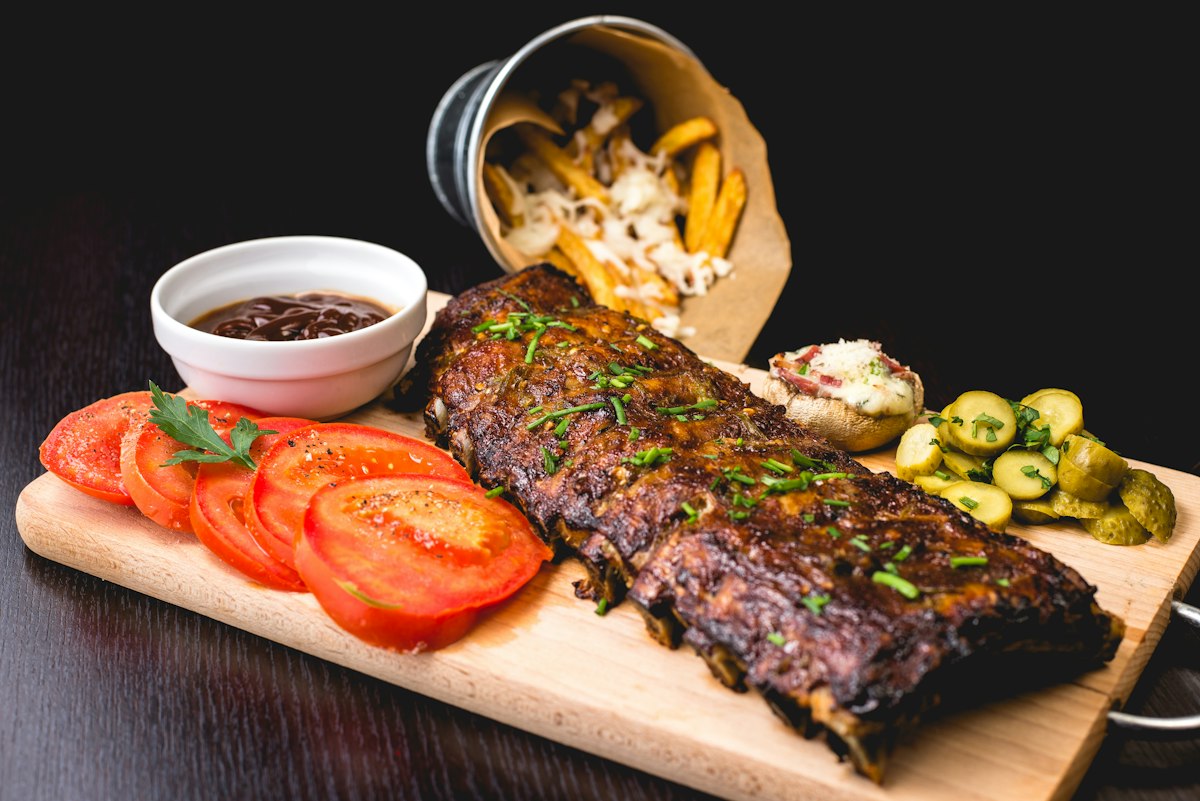
Original source illustration; may show a general food category.
Wagyu Beef A5 is recognized for its exceptional quality, with a high degree of marbling which enhances its flavor and tenderness. The beef comes from the Wagyu breed, which is raised under strict conditions in Japan, and A5 is the highest grading for meat quality.
Country stock records are private to assigned managers.
Food-waste calculator
Estimate food you can keep out of the bin by using or sharing it.
Potential food saved1 kg
If you use or share 1 kg of Wagyu Beef A5 instead of discarding it, that is 1 kg kept out of the bin.
This uses only your entered amount. It does not claim measured waste reduction or convert pieces and packs into invented weights.
Overview
Wagyu Beef A5 is recognized for its exceptional quality, with a high degree of marbling which enhances its flavor and tenderness. The beef comes from the Wagyu breed, which is raised under strict conditions in Japan, and A5 is the highest grading for meat quality.
Origin & history
ancient uses: Historically, Wagyu beef was used in traditional Japanese cuisine and festivals.
region of origin: Kagawa, Hyogo, Kagoshima
country of origin: Japan
historical timeline: year: 1868
event: The Meiji Restoration begins, promoting Western livestock and agriculture.
year: 1976
event: Kobe beef is internationally recognized.
cultural significance: Wagyu has become a symbol of culinary excellence and luxury in Japanese culture.
domestication history: Wagyu cattle have been bred in Japan for centuries, originating from native Japanese cattle breeds and improving through selective breeding.
traditional importance: Often served during special occasions and celebrations.
historical trade routes: Wagyu beef gained attention through trade events and has become a delicacy in fine dining worldwide.
Growing & production
climate: Temperate to subtropical
diseases: Bovine viral diarrhea
Foot-and-mouth disease
rainfall: Optimal rainfall of 600-1,200 mm per year
harvesting: Usually harvested at 28-30 months old for optimal quality.
irrigation: Supplementary irrigation during dry months.
temperature: Optimal temperature range of 12-20 °C
growing season: Year-round, with adjustments for seasonal climate variations
harvest period: Typically harvested in spring and autumn.
yield per acre: Variable based on feed and care practices.
growing regions: Japan
United States
Australia
pest management: Integrated pest management practices to maintain livestock health.
soil requirements: Well-draining soil, rich in organic matter
organic cultivation: Some farms are certified organic but strict standards apply.
fertilizer requirements: Balanced fertilizer high in nitrogen and phosphorus.
Wagyu Beef A5 is rich in essential fatty acids and contains a high level of monounsaturated fats which can support heart health. In moderation, it can be part of a healthy diet due to its nutrient density.
Health notes
major: Excellent source of complete protein, heme iron, zinc and vitamin B12.
Supports muscle maintenance, immune function and cognitive health.
Choose leaner cuts and moderate portions for the best long-term health profile.
evidence: Consensus among USDA, NIH and WHO reviews is that wagyu beef a5 contributes positively to a balanced eating pattern when consumed in appropriate portions.
Storage
freezing: Can be frozen for up to 6 months without loss of quality if properly sealed.
shelf life: Around 7-14 days in refrigeration; up to 6 months frozen.
refrigeration: Maintain at 1-4°C, ideally used within 7-14 days.
best practices: Keep temperatures consistent
Avoid thawing and refreezing
common mistakes: Not sealing properly before freezing
Storing at incorrect temperatures
storage methods: Refrigeration
Freezing
spoilage indicators: Off odors
Slime on surface
Preparation
cutting: Slice against the grain for tenderness.
cleaning: Wipe with a damp cloth; do not wash under water.
buying tips: Look for authentic A5 certification.
cooking methods: Grilling
Sautéing
Roasting
freshness indicators: Bright marbling
Firm texture
Practical tips
**Cleaning**
Wipe with a damp cloth; do not wash under water.
**Cutting**
Slice against the grain for tenderness.
Recipes
name: Wagyu Beef Steak
tags: Wagyu
Beef
Steak
tips: Let the beef rest before slicing.
method: Season the beef with salt and pepper.
Heat a skillet with olive oil.
Sear the beef for 3-4 minutes on each side.
region: Kanto
country: Japan
cuisine: Japanese
servings: 2
cook time: 10 mins
image url: https://example.com/wagyu_steak.jpg
nutrition: protein: 22.7
calories: 291
prep time: 15 mins
video url: https://youtube.com/example
chef notes: Best cooked medium rare.
difficulty: Easy
description: A simple yet elegant dish highlighting the rich flavors of Wagyu.
ingredients: Wagyu beef A5
Salt
Pepper
Olive oil
youtube url: https://youtube.com/example
recipe source: Chef Hiroshi
suitable diets: Low Carb
Keto
Transportation
humidity: 45-55% is optimal during transportation.
packaging: Vacuum sealed for protection and freshness.
shelf life: 7-14 days under proper refrigeration.
export handling: Required to adhere to food safety regulations.
shipping methods: Air freight preferred for international transportation.
storage temperature: Maintain at 1-4 °C for refrigerated storage.
cold chain requirements: Mandatory refrigeration at all stages of transport.
transportation constraints: Limited shipping due to high value and specific temperature requirements.
Sustainability
climate resilience: High-quality breeding programs are being developed.
land use m2 per kg: 34
sustainable farming: Some farms implement regenerative practices.
environmental impact: High due to beef production methods.
organic certification: Available, but less common.
regenerative agriculture: Practices vary.
water footprint l per kg: 15000
carbon footprint kgco2e per kg: 14
More about this food
Wagyu cows are often massaged and fed a special diet to enhance the meat's quality.
A5 Wagyu beef contains more than 30% fat, giving it a buttery texture.
Source references
url: https://example.com/wagyu_research
type: report
year: 2022
title: Wagyu Beef Research
authors: John Doe
publisher: Japanese Ministry of Agriculture
Kerala & United States locality guides
Regional guides; these links do not establish local product availability.