Imported source research draft. Nutrition, health claims and linked references have not been independently verified.
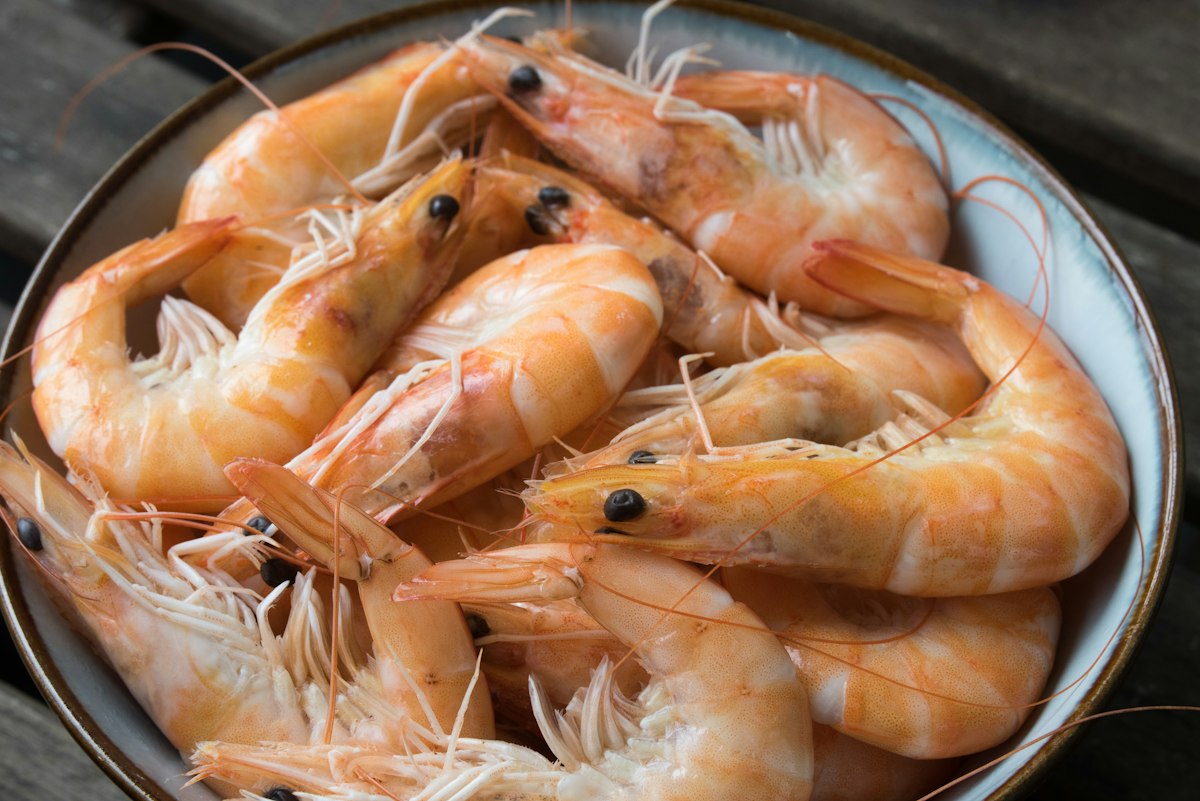
Original source illustration; may show a general food category.
Whiteleg shrimp are farmed primarily in coastal aquaculture systems. They are a significant source of protein globally and are revered for their culinary versatility. These shrimp thrive in various salinity levels and are often used in Asian and Western dishes.
Country stock records are private to assigned managers.
Food-waste calculator
Estimate food you can keep out of the bin by using or sharing it.
Potential food saved1 kg
If you use or share 1 kg of Whiteleg Shrimp (Vannamei) instead of discarding it, that is 1 kg kept out of the bin.
This uses only your entered amount. It does not claim measured waste reduction or convert pieces and packs into invented weights.
Overview
Whiteleg shrimp are farmed primarily in coastal aquaculture systems. They are a significant source of protein globally and are revered for their culinary versatility. These shrimp thrive in various salinity levels and are often used in Asian and Western dishes.
Origin & history
ancient uses: Indigenous peoples consumed various shrimp species, including predecessors to Whiteleg shrimp.
region of origin: Pacific Coast
country of origin: Mexico
historical timeline: year: 1970
event: Commercial farming begins in Mexico.
year: 1990
event: Global aquaculture of Whiteleg shrimp expands rapidly.
cultural significance: They are an important part of coastal cultures, especially in seafood cuisines.
domestication history: Wild populations have been farmed since the 1970s.
Growing & production
climate: Tropical to subtropical
diseases: White spot syndrome
Viral infections
rainfall: Not a direct requirement but essential to maintain water levels in ponds.
harvesting: By trapping or netting once they reach market size.
irrigation: Pond water management is critical.
temperature: Optimal growth at 28-32°C.
growing season: Year-round in tropical climates.
harvest period: 90-120 days
yield per acre: 1-2 tons
growing regions: Southeast Asia
Latin America
pest management: Monitoring for diseases and predators; use of biocontrol methods.
planting methods: Stocking of post-larvae in ponds or tanks.
soil requirements: Not applicable; grown in water.
fertilizer requirements: Nutrient-rich feed and occasional pond fertilizers for algae growth.
Whiteleg shrimp are rich in protein and essential nutrients, supporting muscle growth and overall health. They contain omega-3 fatty acids that promote heart health and antioxidants that can help reduce inflammation.
Health notes
major: Exceptional source of zinc, iron, copper, iodine and vitamin B12.
Very lean, complete protein with minimal saturated fat.
Regular moderate intake supports thyroid, immune and cognitive function.
evidence: Consensus among USDA, NIH and WHO reviews is that whiteleg shrimp (vannamei) contributes positively to a balanced eating pattern when consumed in appropriate portions.
Storage
freezing: Best for long-term storage; maintains quality.
shelf life: Frozen Whiteleg shrimp can last up to 6 months.
refrigeration: Recommended for short-term storage.
best practices: Keep at a consistent cold temperature.
Do not refreeze once thawed.
common mistakes: Leaving at room temperature too long.
Cross-contamination with raw seafood.
storage methods: Refrigeration
Freezing
spoilage indicators: Off odour
Changes in texture
Preparation
cutting: Remove the heads and tails if desired; cut along the back for deveining.
peeling: Easily peeled from the tail end.
washing: Thoroughly rinse after removing shells.
cleaning: Rinse under cold water to remove shells and debris.
buying tips: Look for firm, moist shrimp with no strong odour.
cooking methods: Boiling
Grilling
Sautéing
freshness indicators: Clear, moist body
Mild ocean smell
seasonal buying guide: Available year-round but peak freshness in summer months.
Practical tips
**Cleaning**
Rinse under cold water to remove shells and debris.
**Washing**
Thoroughly rinse after removing shells.
**Peeling**
Easily peeled from the tail end.
**Cutting**
Remove the heads and tails if desired; cut along the back for deveining.
Recipes
name: Garlic Butter Shrimp
tags: shrimp
easy
dinner
tips: Serve with crusty bread.
method: Melt butter in a pan
Add garlic and sauté until fragrant
Add shrimp and cook until pink
Season with salt and pepper
Garnish with parsley
region: California
country: USA
cuisine: American
servings: 4
cook time: 5 mins
image url: https://example.com/garlic-butter-shrimp.jpg
nutrition: fat: 16
protein: 23
calories: 250
prep time: 10 mins
chef notes: Perfect for a quick weeknight dinner.
difficulty: Easy
description: A quick and easy shrimp dish with garlic and butter.
ingredients: 1 lb Whiteleg Shrimp
4 tbsp butter
4 cloves garlic
Salt
Pepper
Parsley
recipe source: Home Cooking
suitable diets: Gluten-free
Transportation
humidity: Optimal humidity levels to prevent dehydration.
packaging: Often packed in insulated boxes with ice packs.
shelf life: 1-2 days at 0°C; can be frozen for longer storage.
export handling: Careful packaging to prevent damage and spoilage.
shipping methods: Refrigerated trucks, air freight for international transport.
storage temperature: 0°C
cold chain requirements: Essential to maintain freshness during transport.
Sustainability
climate resilience: Variable based on farming practices.
land use m2 per kg: 0.05
sustainable farming: Practices are improving but vary by region.
environmental impact: Aquaculture can impact local ecosystems.
organic certification: Limited availability.
water footprint l per kg: 572
carbon footprint kgco2e per kg: 1.75
More about this food
Whiteleg shrimp are one of the most important species in aquaculture worldwide.
They can grow to a size of over 20 grams in about 90 days under optimal conditions.
Source references
url: https://www.fao.org/3/ca4022t/ca4022t.pdf
type: report
year: 2022
title: Aquaculture Production: Global Overview
authors: Food and Agriculture Organization
publisher: FAO
Kerala & United States locality guides
Regional guides; these links do not establish local product availability.