Imported source research draft. Nutrition, health claims and linked references have not been independently verified.
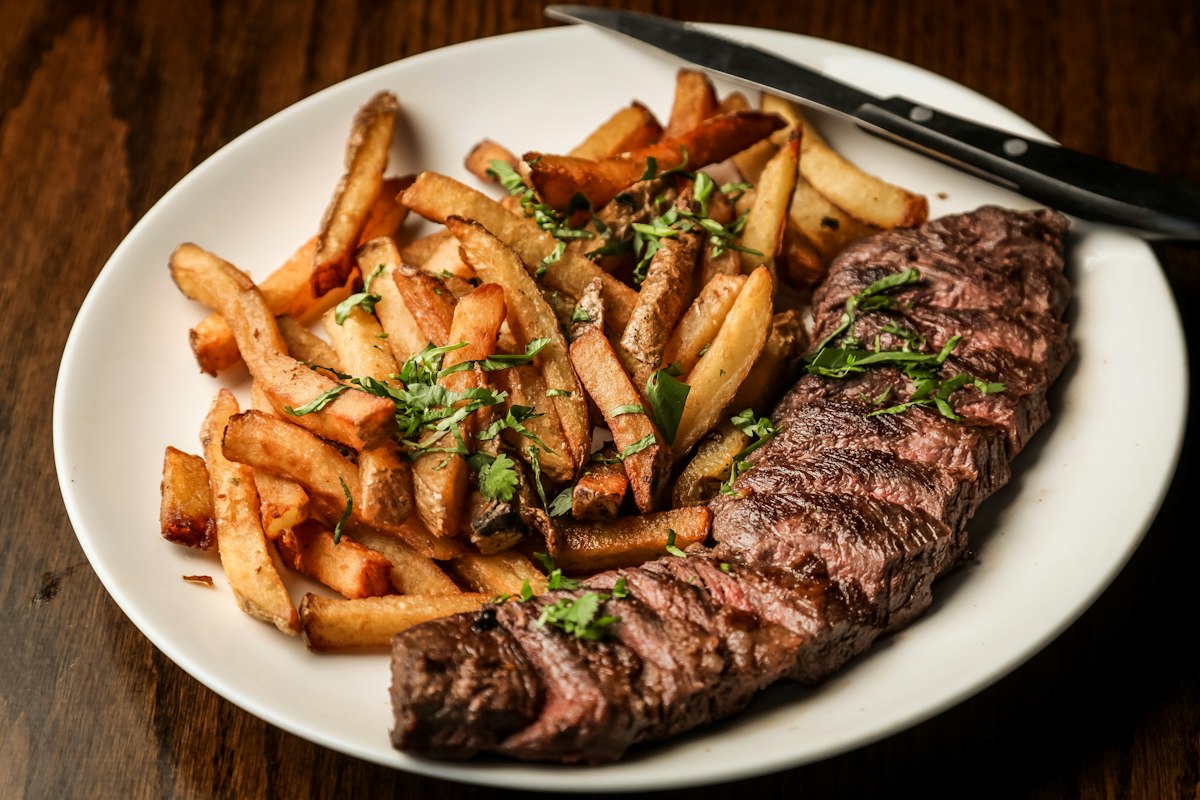
Original source illustration; may show a general food category.
Whole ducks are versatile poultry known for their unique flavor and higher fat content, which contributes to their moistness during cooking. They are typically sold with the head, feet, and innards removed.
Country stock records are private to assigned managers.
Food-waste calculator
Estimate food you can keep out of the bin by using or sharing it.
Potential food saved1 kg
If you use or share 1 kg of Whole Duck instead of discarding it, that is 1 kg kept out of the bin.
This uses only your entered amount. It does not claim measured waste reduction or convert pieces and packs into invented weights.
Overview
Whole ducks are versatile poultry known for their unique flavor and higher fat content, which contributes to their moistness during cooking. They are typically sold with the head, feet, and innards removed.
Origin & history
ancient uses: Originally raised for meat and eggs, prized in various cultures for its flavor.
region of origin: East Asia
country of origin: China
historical timeline: year: 2000
event: Ducks were bred for meat in ancient China.
cultural significance: Integral to Chinese cuisine, especially in dishes like Peking duck.
domestication history: Domesticated from wild mallards thousands of years ago.
traditional importance: Used in celebrations and special occasions in many cultures.
historical trade routes: Traded along the Silk Road to various regions.
Growing & production
climate: Temperate to subtropical.
diseases: Duck plague
Avian influenza
rainfall: Moderate; drainage is essential.
harvesting: Typically harvested between 10-12 weeks of age.
irrigation: Dependent on the farming setup; managed for free-range systems.
temperature: Optimum 18-25°C.
growing season: Year-round under controlled conditions.
harvest period: 12 weeks
growing regions: China
France
USA
Netherlands
pest management: Common measures include maintaining cleanliness in housing.
organic cultivation: Possible through free-range practices.
Duck meat is rich in protein and essential nutrients such as iron and B vitamins, contributing to muscle health, cognitive function, and energy production. Its high fat content can support healthy skin and nerves when consumed in moderation.
Health notes
major: Lean, complete protein — supports muscle, bone and skin health.
Good source of niacin, vitamin B6, phosphorus and selenium.
Skinless cuts keep saturated fat low without sacrificing flavour.
evidence: Consensus among USDA, NIH and WHO reviews is that whole duck contributes positively to a balanced eating pattern when consumed in appropriate portions.
Storage
freezing: Up to 12 months.
shelf life: 7 days refrigerated; 12 months frozen.
refrigeration: Keep below 4°C.
best practices: Keep wrapped airtight
Do not refreeze thawed duck
common mistakes: Storing at improper temperatures
Not handling properly pre-cooking
storage methods: Refrigeration
Freezing
spoilage indicators: Off smell
Texture changes
Preparation
cutting: Can be cut into sections like breasts, legs, and thighs.
washing: Wash thoroughly especially when prepping for cooking.
cleaning: Rinse under cold water and remove any feathers.
buying tips: Choose fresh, plump birds with a good fat layer.
cooking methods: Roasting
Smoking
Grilling
Stewing
freshness indicators: Bright skin, no off odors.
seasonal buying guide: Best bought during winter months for holiday cuisine.
Practical tips
**Cleaning**
Rinse under cold water and remove any feathers.
**Washing**
Wash thoroughly especially when prepping for cooking.
**Cutting**
Can be cut into sections like breasts, legs, and thighs.
Recipes
name: Peking Duck
tags: Roast
Crispy
Chinese
tips: Allow the duck to rest before slicing.
method: Prepare the duck by blowing air under the skin.
Rub with soy sauce and honey, and hang to dry.
Roast in an oven until skin is crispy.
Serve with pancakes and hoisin sauce.
region: Beijing
country: China
cuisine: Chinese
servings: 4
cook time: 2 hours
image url: https://example.com/peking-duck.jpg
nutrition: fat: 35
carbs: 30
protein: 45
calories: 600
prep time: 1 hour
video url: https://youtube.com/watch?v=example
chef notes: Traditionally served at celebrations.
difficulty: Medium
description: Crispy-skinned roast duck, served with pancakes, hoisin sauce, and shredded vegetables.
ingredients: 1 whole duck
5 tablespoons soy sauce
3 tablespoons honey
5 pancakes
Cucumber slices
Spring onion
youtube url: https://youtube.com/watch?v=example
recipe source: Traditional Chinese Recipe
suitable diets: Dairy-free
Transportation
packaging: Vacuum-sealed or air-chilled for freshness.
shelf life: Approximately 1 week fresh; 6-12 months frozen.
shipping methods: Refrigerated transportation.
storage temperature: 0-4°C for fresh; -18°C for frozen.
cold chain requirements: Essential; kept at 0-4°C.
transportation constraints: Requires strict temperature controls.
Sustainability
climate resilience: Breeding efforts are underway to increase resilience.
sustainable farming: Practices are improving for organic and free-range systems.
environmental impact: Duck farming can impact wetlands if not managed sustainably.
More about this food
Duck meat has a higher fat content than chicken, providing a distinct flavor.
Ducks can be roasted, smoked, or used in various culinary dishes across cultures.
Source references
url: https://example.com/duck-farming-handbook
type: report
title: Duck Farming Handbook
authors: Dr. Smith, Dr. Jones
publisher: Agricultural Institute
Kerala & United States locality guides
Regional guides; these links do not establish local product availability.