
Sardine
Research status: AI draft — awaiting expert review


Overview
Sardines are small, oily schooling fish in the herring family; the name covers several species, including pilchards. They are sold fresh, frozen, smoked, or canned in oil, water, or sauce.
Origin & cultivation
Sardines come from coastal waters of the Atlantic, Pacific, Indian Ocean, and Mediterranean Sea. Major producing regions include Morocco and nearby northwest African waters, southern Europe, Japan, and parts of Southeast Asia.
Season
Fresh sardine availability varies by species, local fishing season, and management rules, with many fisheries supplying their best catches in warmer months. Frozen and canned sardines are available year-round.
Texture & flavor
Sardines have a rich, distinctly fishy flavor and tender, moist flesh with delicate skin. Grilling makes the skin crisp, while canning softens the bones enough to eat.
Nutrition
Typical values estimated with AI, not yet checked against lab data. For guidance only.
| Energy | 208 kcal | canned in oil, drained solids with bones, per 100 g edible portion | FoodPulse AI estimate |
| Protein | 24.62 g | canned in oil, drained solids with bones, per 100 g edible portion | FoodPulse AI estimate |
| Total fat | 11.45 g | canned in oil, drained solids with bones, per 100 g edible portion | FoodPulse AI estimate |
| Saturated fat | 1.53 g | canned in oil, drained solids with bones, per 100 g edible portion | FoodPulse AI estimate |
| Carbohydrate | 0 g | canned in oil, drained solids with bones, per 100 g edible portion | FoodPulse AI estimate |
| Dietary fiber | 0 g | canned in oil, drained solids with bones, per 100 g edible portion | FoodPulse AI estimate |
| Total sugars | 0 g | canned in oil, drained solids with bones, per 100 g edible portion | FoodPulse AI estimate |
| Water | 59.61 g | canned in oil, drained solids with bones, per 100 g edible portion | FoodPulse AI estimate |
| Calcium | 382 mg | canned in oil, drained solids with bones, per 100 g edible portion | FoodPulse AI estimate |
| Iron | 2.92 mg | canned in oil, drained solids with bones, per 100 g edible portion | FoodPulse AI estimate |
| Magnesium | 39 mg | canned in oil, drained solids with bones, per 100 g edible portion | FoodPulse AI estimate |
| Potassium | 397 mg | canned in oil, drained solids with bones, per 100 g edible portion | FoodPulse AI estimate |
| Sodium | 307 mg | canned in oil, drained solids with bones, per 100 g edible portion | FoodPulse AI estimate |
| Zinc | 1.31 mg | canned in oil, drained solids with bones, per 100 g edible portion | FoodPulse AI estimate |
| Vitamin C | 0 mg | canned in oil, drained solids with bones, per 100 g edible portion | FoodPulse AI estimate |
| Vitamin A (RAE) | 32 µg | canned in oil, drained solids with bones, per 100 g edible portion | FoodPulse AI estimate |
| Folate | 10 µg | canned in oil, drained solids with bones, per 100 g edible portion | FoodPulse AI estimate |
| Vitamin B12 | 8.94 µg | canned in oil, drained solids with bones, per 100 g edible portion | FoodPulse AI estimate |
| Cholesterol | 142 mg | canned in oil, drained solids with bones, per 100 g edible portion | FoodPulse AI estimate |
Glycemic index: Not applicable / not meaningful (very little carbohydrate).
Sardines supply protein, omega-3 fats, vitamin B12, and, when the bones are eaten, calcium; they are generally low in mercury. Fish is a major allergen, canned products may contain substantial sodium, and poor temperature control can allow histamine to form, which cooking does not destroy. Educational, not medical advice.
Educational information, not medical advice.
Storage
- Room temperature · Above 40°F (4°C); especially above 90°F (32°C) · No more than 2 hours out of refrigeration, or 1 hour above 90°F (32°C). These limits apply to fresh, thawed, cooked, and opened canned sardines. Discard fish exceeding them even if it smells normal; histamine and other hazards cannot reliably be detected by appearance or smell. FoodPulse AI estimate
- Refrigerator · 32–40°F (0–4°C) · Raw: 1–2 days; cooked or opened canned: 3–4 days. Store covered, with raw fish in a leakproof container below ready-to-eat foods. Discard fish with sour or ammonia-like odors, unusual slime, or mold; absence of these signs does not establish safety. FoodPulse AI estimate
- Freezer · 0°F (-18°C) or below · Raw sardines: 2–3 months for best quality; cooked: 2–3 months. Wrap airtight and label with the date; continuously frozen fish remains safe longer, although quality declines. Freezer burn is a quality issue, but discard fish that became warmer than 40°F (4°C) for more than 2 hours. FoodPulse AI estimate
- Unopened commercially canned · Cool, dry pantry, ideally 50–70°F (10–21°C) · Generally 2–5 years for best quality; follow product guidance. This applies only to shelf-stable cans, not products labeled for refrigeration. Discard bulging, leaking, heavily rusted, or deeply dented cans, especially dents at seams; never taste suspect contents. FoodPulse AI estimate
Preparation
Thaw frozen sardines in the refrigerator, then scrape off loose scales, remove the head if desired, and slit the belly to remove the guts; leave whole or open into butterfly fillets and lift out the backbone. Routine rinsing is unnecessary; if cleaning leaves debris, rinse briefly under gentle cold water without splashing and pat dry. Keep raw fish and its juices away from ready-to-eat foods, and wash hands, knives, boards, and work surfaces after handling.
Cooking
Grill, broil, or pan-fry small whole sardines for roughly 2–4 minutes per side, or roast at 425°F (220°C) for about 8–12 minutes, allowing longer for larger fish. USDA recommends cooking fish to an internal temperature of 145°F (63°C), measured in the thickest flesh without touching bone. Canned sardines are ready to eat; reheat cooked leftovers to 165°F (74°C).
Recipes
No verified recipes yet.
Waste less
Eat the skin and soft bones of canned sardines, and use leftover cooked fish in toast toppings, pasta, or fish cakes within its refrigerated storage window. Fresh heads and backbones can make a short-simmered stock, though the flavor will be strong; refrigerate promptly or freeze. Keep fish scraps out of ordinary backyard compost because they attract pests, and use a municipal food-scrap service only if it accepts fish.
Food waste tips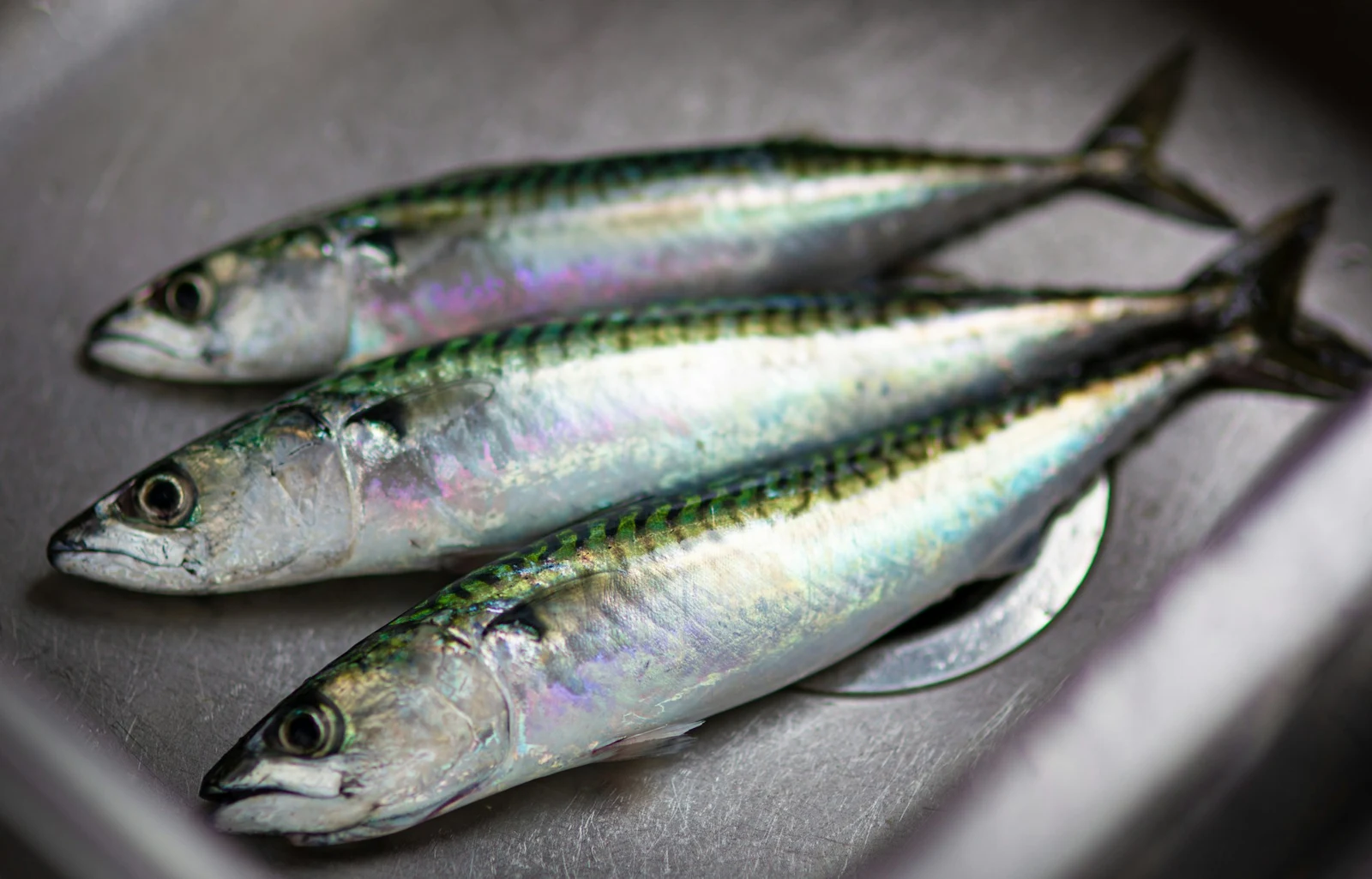 Sardines