Ganges River
Sacred river of northern India
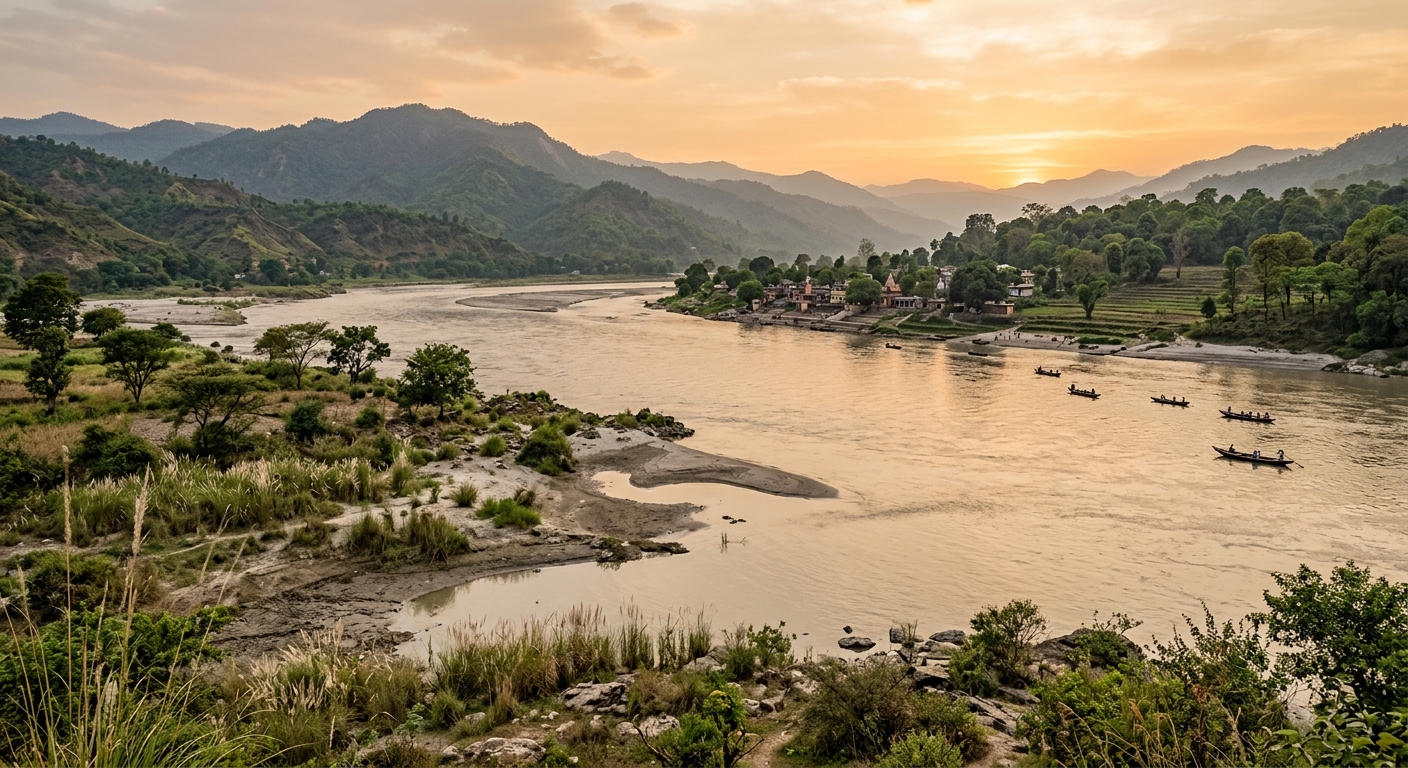
The Ganges River is a 2,525-kilometer transboundary river flowing through India and Bangladesh, originating in the Himalayan glaciers and emptying into the Bay of Bengal. It sustains one of the world's most densely populated river basins and supports exceptional biodiversity including the critically endangered Ganges river dolphin.
Overview
The Ganges River, known as Ganga in India, is one of the most significant river systems in Asia, flowing approximately 2,525 kilometers from its glacial source at Gangotri in the Indian Himalayas to its delta in the Bay of Bengal. The river passes through the states of Uttarakhand, Uttar Pradesh, Bihar, Jharkhand, and West Bengal in India before entering Bangladesh. Its drainage basin covers over 1 million square kilometers, supporting more than 400 million people. The river creates diverse aquatic and terrestrial ecosystems along its course, from alpine meadows and temperate forests in the upper reaches to tropical floodplains and the world's largest mangrove forest, the Sundarbans, in its delta. The Ganges supports a rich biodiversity including numerous endemic and endangered species, though pollution and development have severely impacted water quality and wildlife populations in many sections. The river's ecological importance is matched by its cultural and spiritual significance to Hindus, making it one of the most revered rivers globally. Major cities along its course include Haridwar, Varanasi, Patna, and Kolkata. The Ganges faces significant environmental challenges including industrial pollution, agricultural runoff, sewage discharge, and reduced water flow due to diversions and climate change affecting Himalayan glaciers. Conservation efforts include the National Mission for Clean Ganga (Namami Gange) program launched by the Indian government, aimed at pollution abatement and river rejuvenation. Protected areas along the river include the Rajaji National Park in the upper reaches and various wildlife sanctuaries throughout the basin.
Getting there
Access points vary along the 2,525-kilometer length. Upper Ganges: Jolly Grant Airport in Dehradun (Uttarakhand), then road to Rishikesh or Haridwar. Middle Ganges: Varanasi International Airport with direct river access. Lower Ganges: Netaji Subhas Chandra Bose International Airport in Kolkata. Major railway stations at Haridwar, Varanasi, Patna, and Kolkata provide rail access to key river locations.
Best time to visit
October to March for most sections, with cooler temperatures and clearer skies. Upper Ganges (Himalayan region): May to June and September to October, avoiding monsoon season (July-August) and winter snow. Lower Ganges and delta: November to February for comfortable weather and optimal wildlife viewing.
Trails & points of interest
Upper Ganges: Trekking routes to Gangotri Glacier and Gaumukh (source of the river), Rajaji National Park trails. Middle Ganges: Ghats (riverfront steps) at Varanasi, Haridwar, and Rishikesh for river access and observation. Lower Ganges: Boat routes through Sundarbans mangrove channels, Vikramshila Gangetic Dolphin Sanctuary boat tours in Bihar. River cruises operate between Varanasi and Kolkata.
Wildlife you might see
Ganges river dolphin (Platanista gangetica), gharial crocodile, mugger crocodile, smooth-coated otter, Indian softshell turtle, Ganges softshell turtle, various freshwater fish species including mahseer and hilsa. Riparian areas support Asian elephants, Bengal tigers (in Sundarbans), swamp deer, hog deer, blackbuck, wild boar, numerous waterbirds including black-necked stork, lesser adjutant, river tern, and migratory species.
Flora
Upper reaches: Himalayan pine, deodar, oak, rhododendron forests. Middle plains: mango, banyan, peepal, jamun, silk cotton trees, riverine grasslands. Lower delta: Sundari mangroves (Heritiera fomes), gewa (Excoecaria agallocha), goran (Ceriops decandra), golpata palm (Nypa fruticans), various aquatic plants including water hyacinth, lotus, water lilies in slower sections.
Safety & preparation
Water quality is severely compromised in many sections; avoid direct contact or consumption without proper treatment. Use reputable boat operators and wear life jackets. Upper reaches require high-altitude trekking preparation. Monsoon season brings flooding risk, especially in lower plains. Respect strong currents throughout the river. Sundarbans areas require authorized guides due to tiger presence. Stay updated on water release schedules from dams. Carry appropriate vaccinations and water purification methods.
Watch on YouTube
Search YouTube for "Ganges River wildlife documentary nature"Share notes, corrections, or add local knowledge. Text · Images · Videos · Links.