We often search for expensive nutritional supplements, anti-aging products and special diets, overlooking some of nature’s most valuable nutritional treasures: nuts and seeds.
Almonds, walnuts, cashews, pistachios, hazelnuts, pecans, pumpkin seeds, chia seeds and flaxseeds offer an extraordinary combination of healthy fats, plant-based protein, vitamins, minerals, dietary fiber and antioxidants.
Yet, despite widespread awareness of their nutritional benefits, many of us do not make a conscious effort to consume them regularly. We buy packets of nuts, leave them in our kitchen cupboards and occasionally remember to eat them.
Children and elderly people are two groups that particularly deserve our attention. Children may not develop the habit of eating nuts, while older adults may find them difficult to chew because of dental problems or other physical limitations.
Perhaps what we need is not more nutritional advice alone, but simpler, tastier and more convenient ways to incorporate nuts and seeds into our everyday meals.
1. Why nuts and seeds deserve a place in our daily diet
Nuts are among the most nutrient-dense foods available to us. Unlike many processed snacks that provide calories with limited nutritional value, nuts deliver a wide range of essential nutrients in relatively small portions.
The nutritional treasures inside nuts and seeds
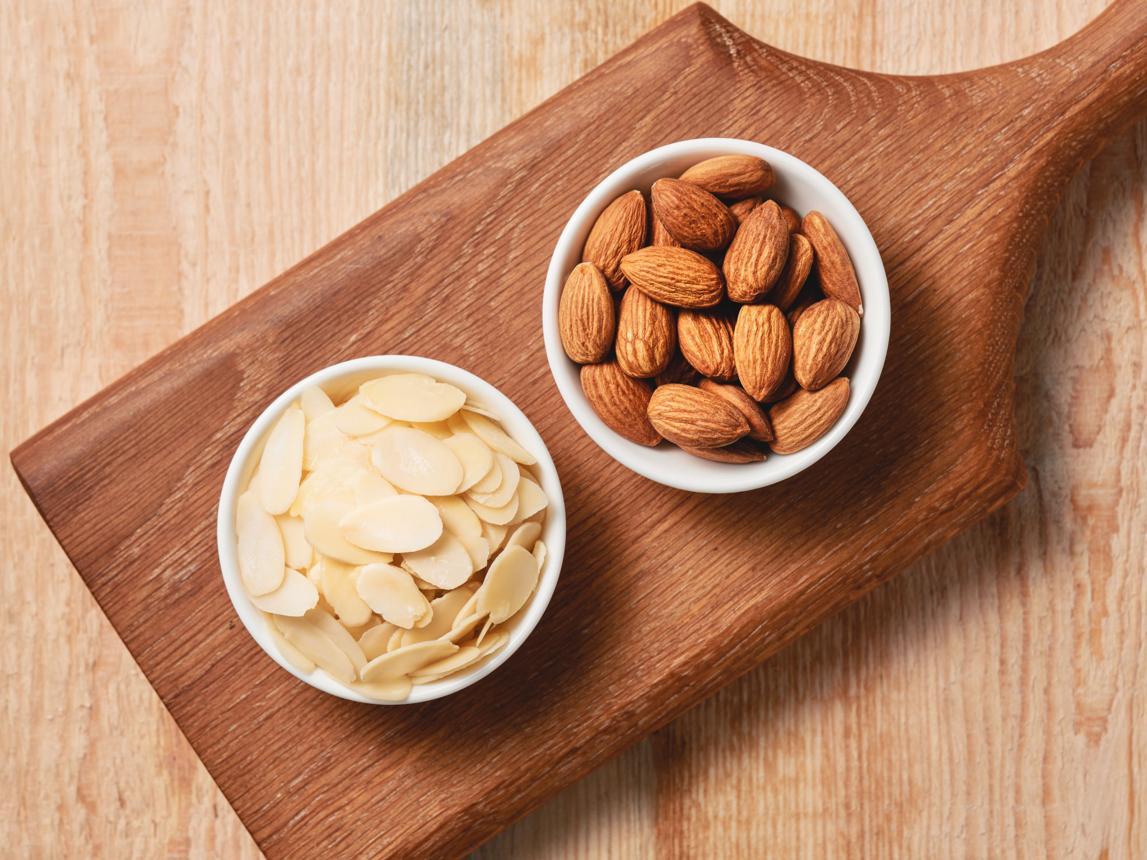
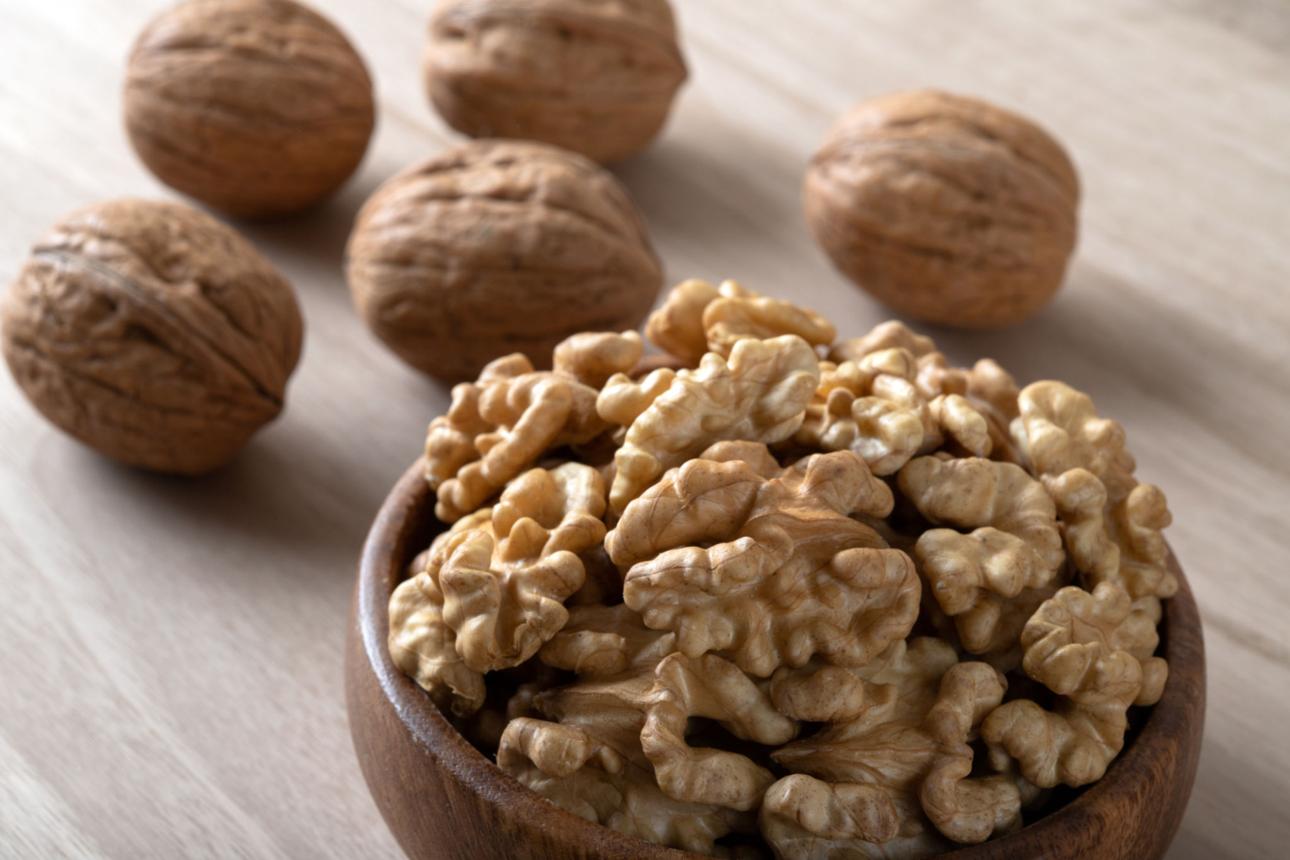
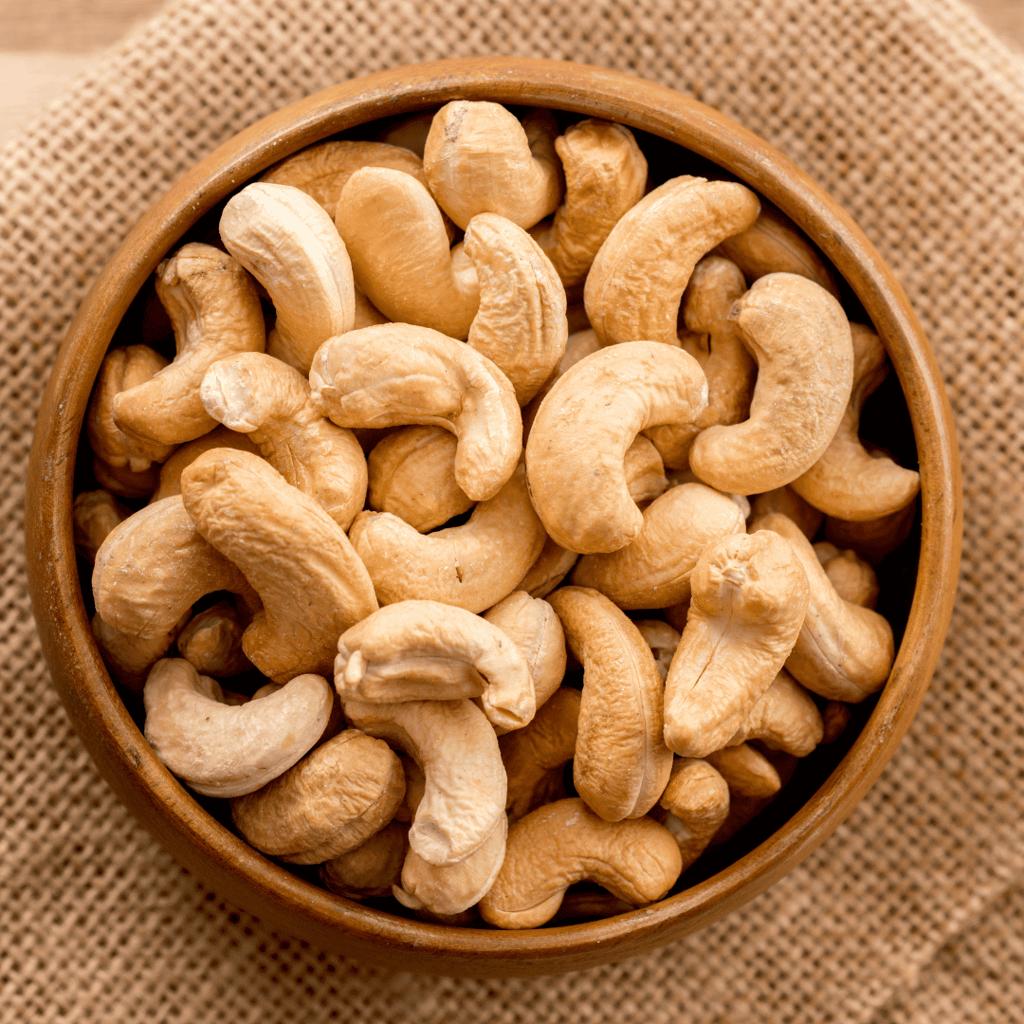
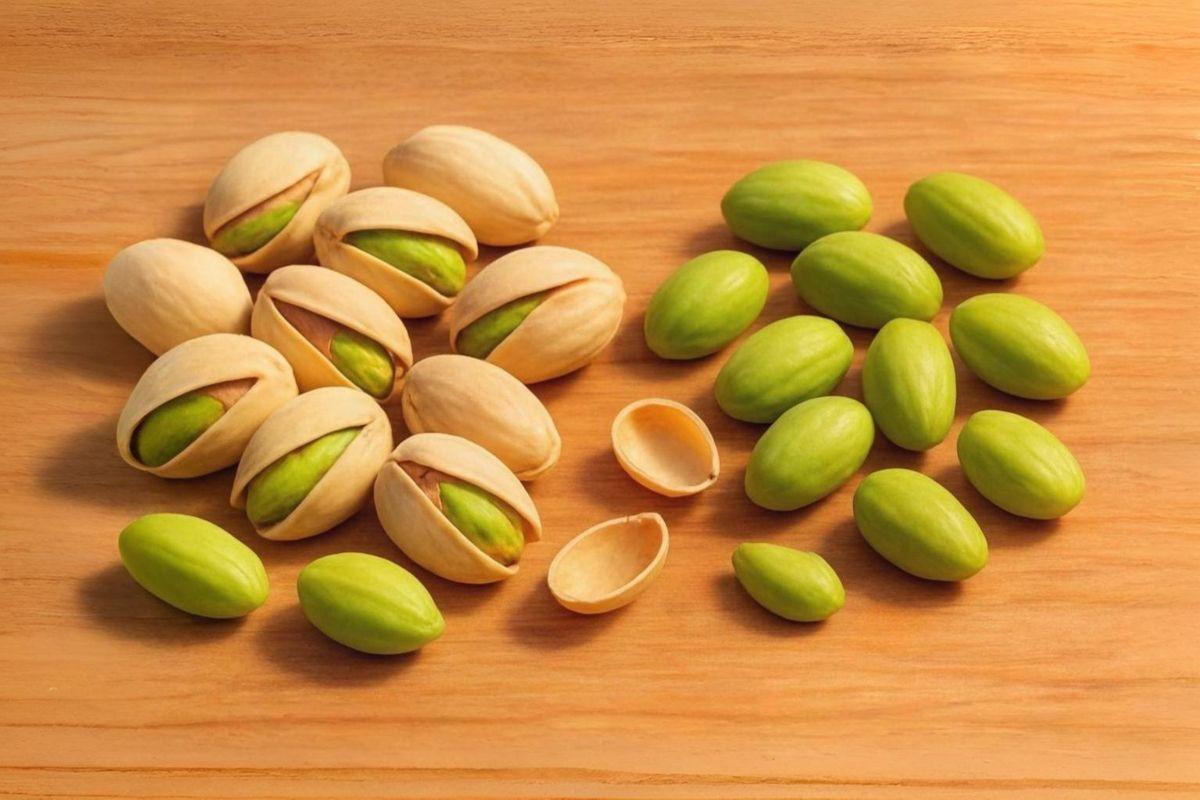
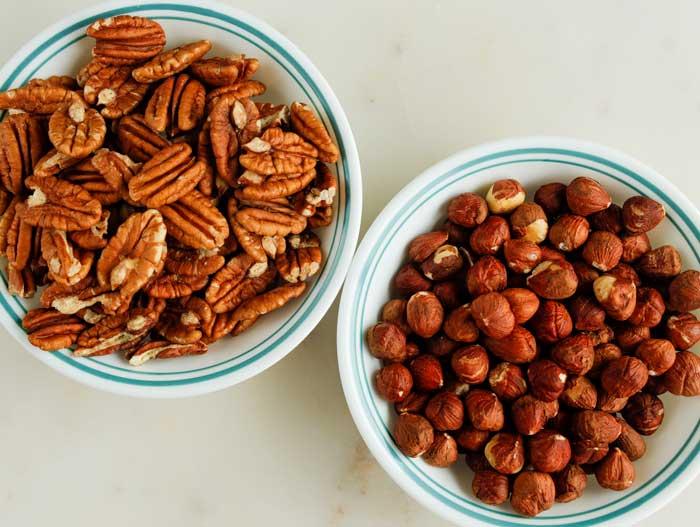
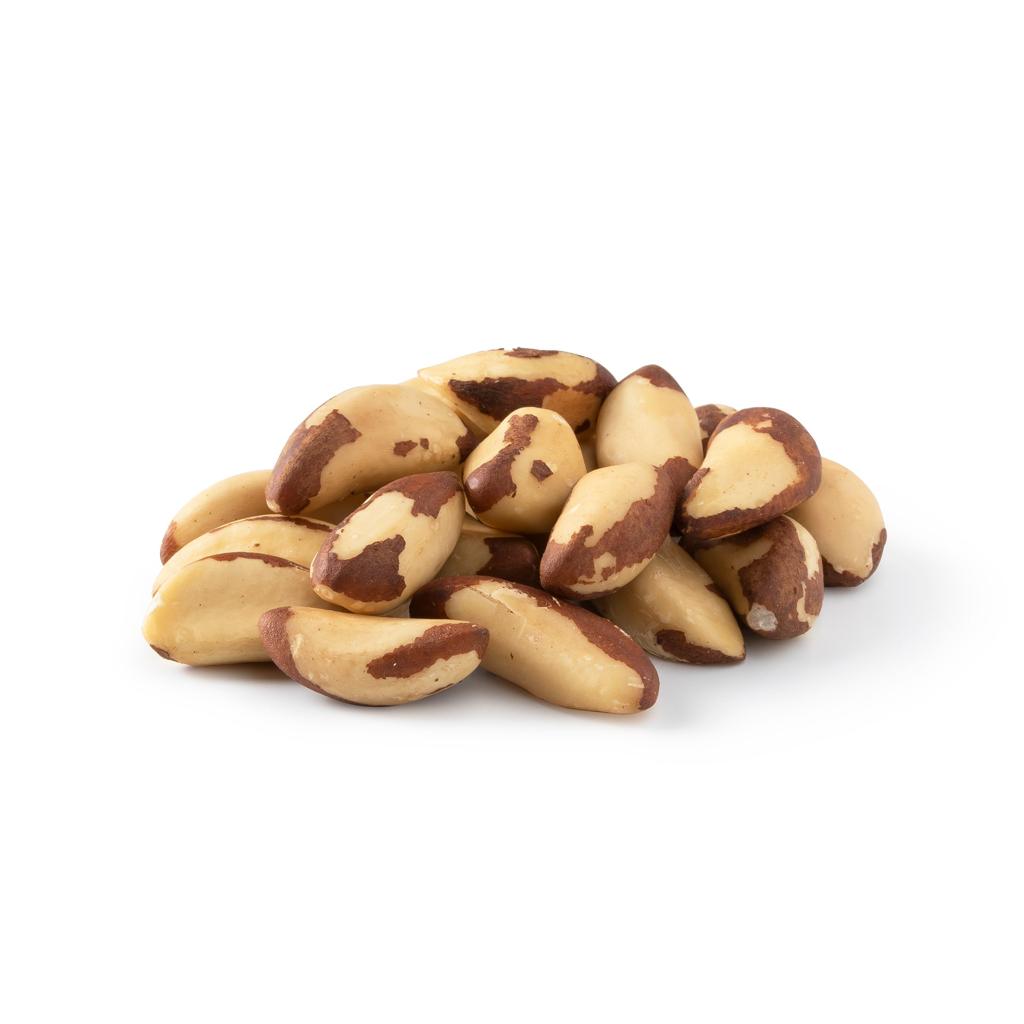
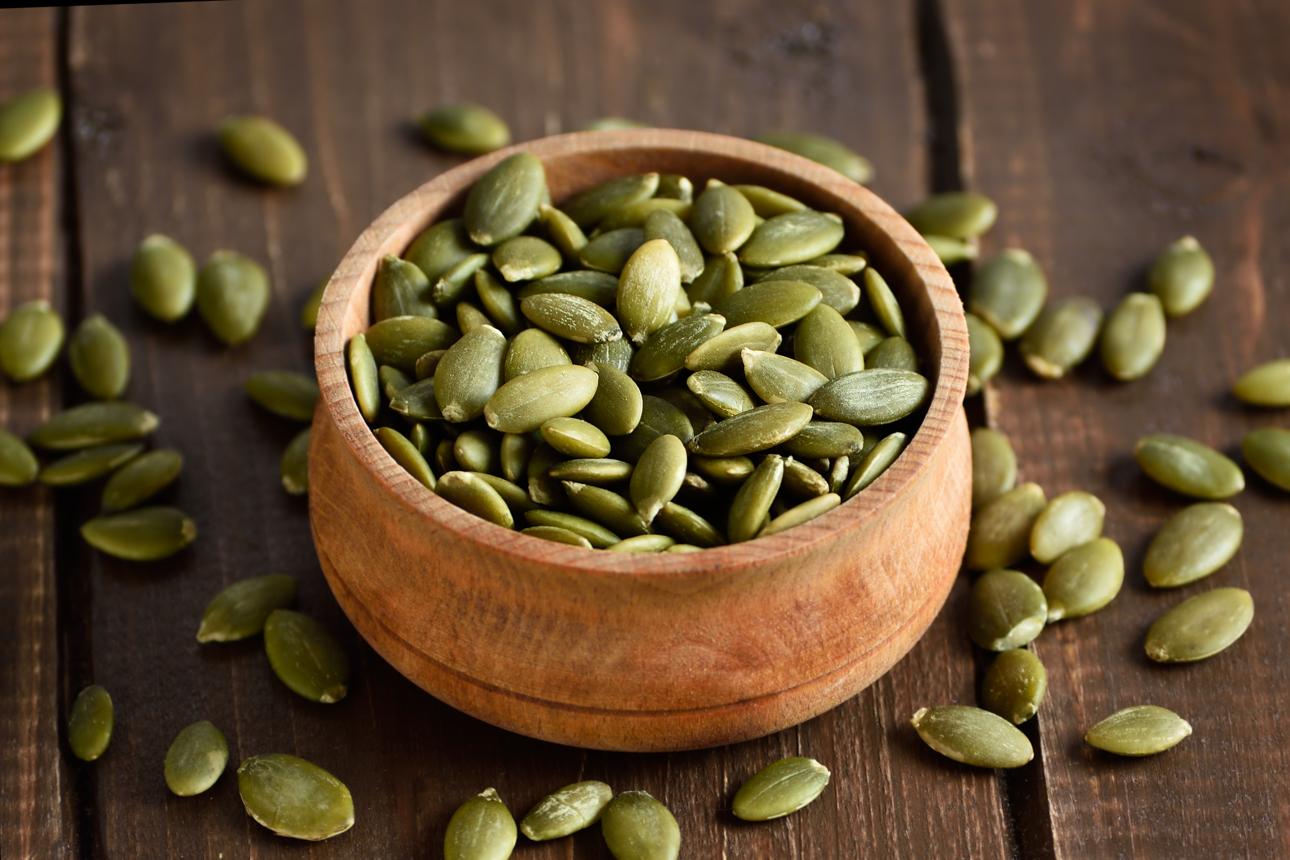
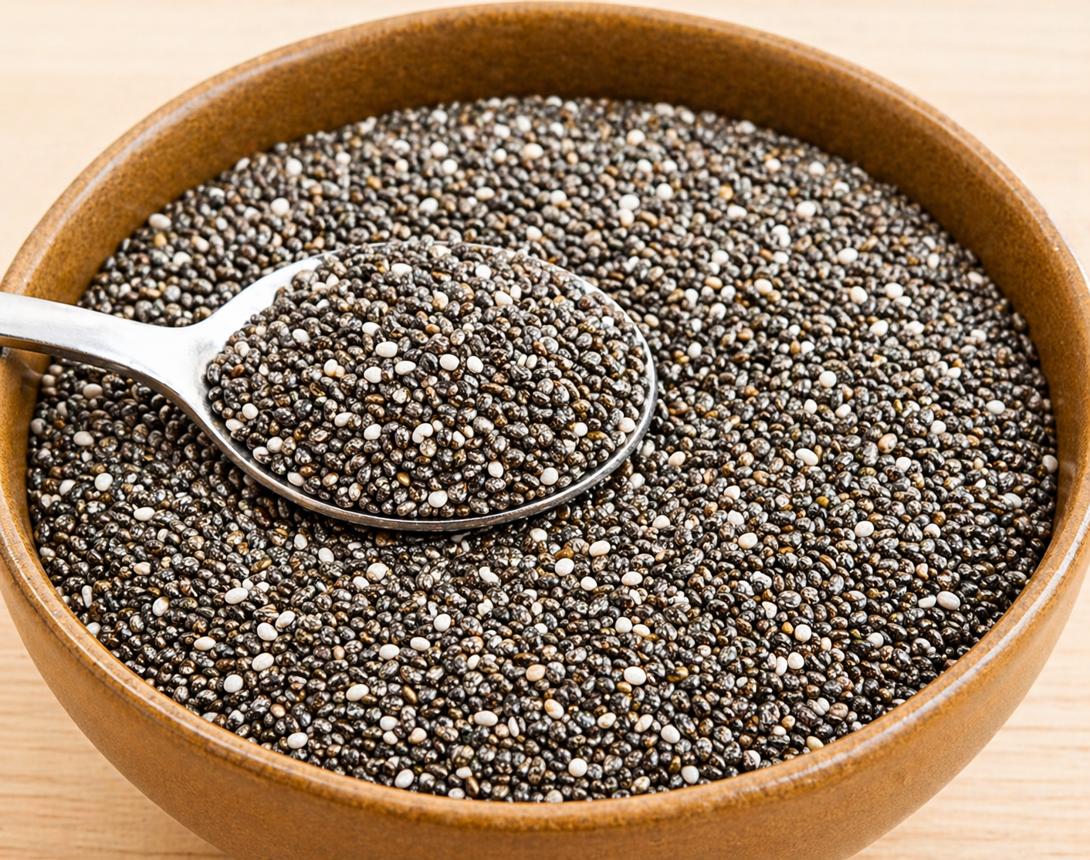
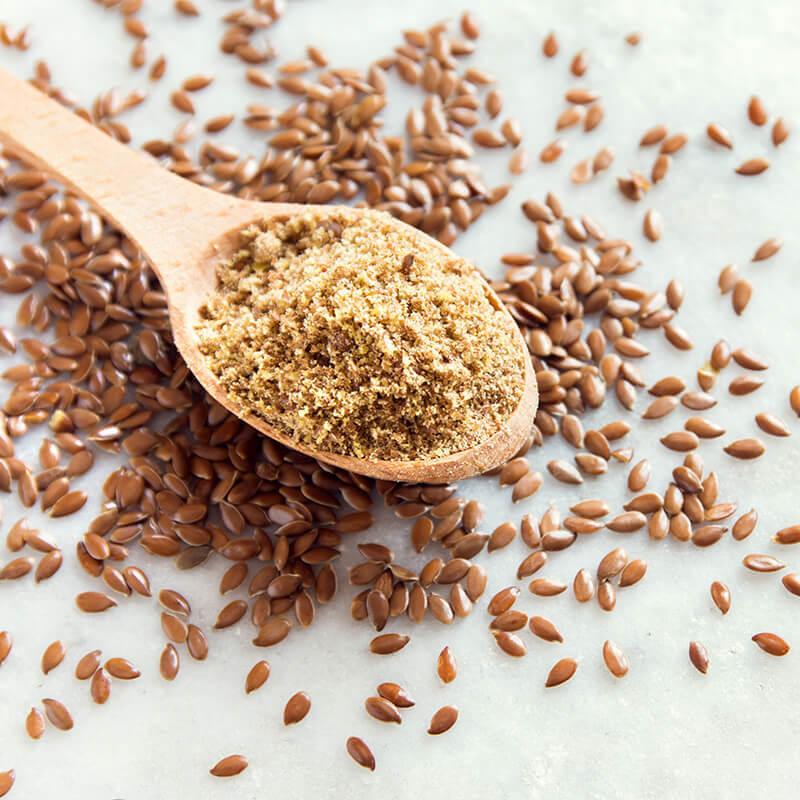
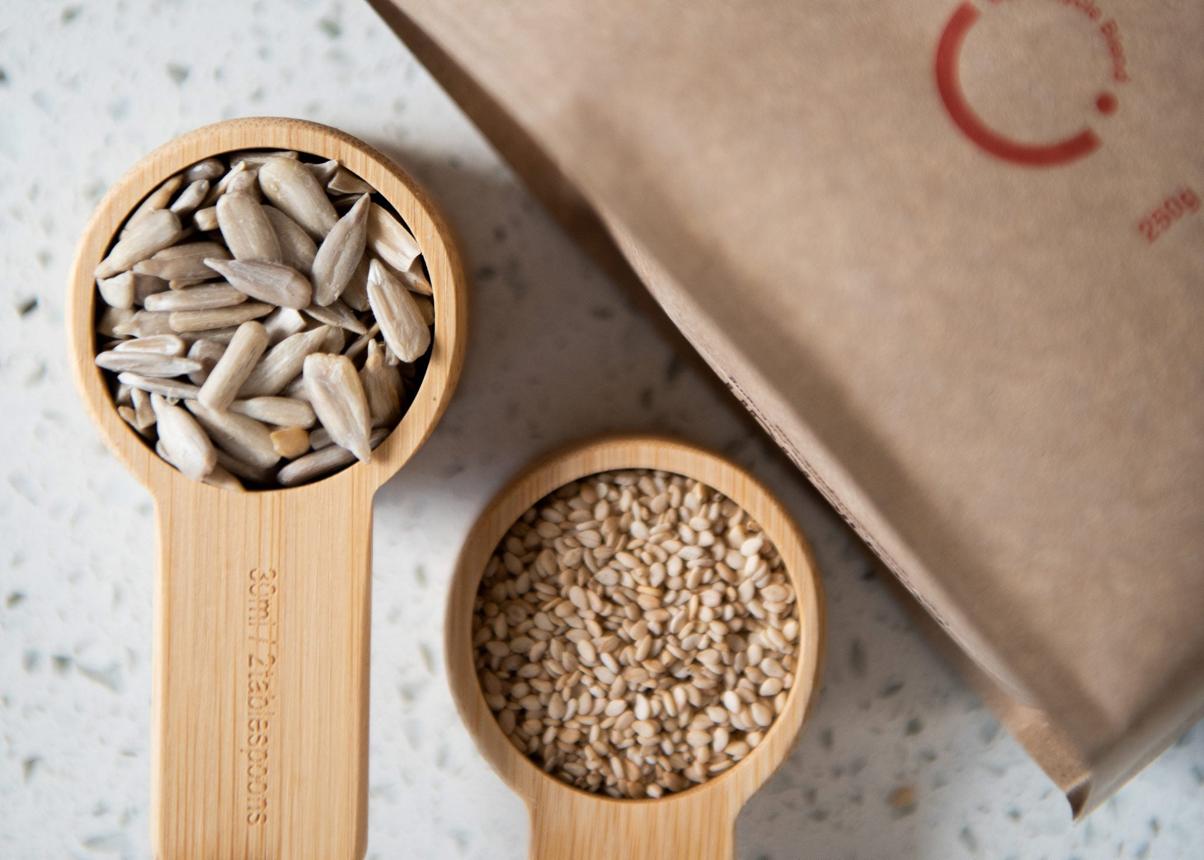
Eating a variety of nuts and seeds, rather than relying on just one kind, helps us obtain a broader spectrum of nutrients. (Source: Harvard Health)
2. How regular nut consumption can benefit our health
Heart health and cholesterol
Nuts contain predominantly unsaturated fats. When they replace foods high in saturated fats, they can help lower LDL (bad) cholesterol and support cardiovascular health.
Regular consumption as part of a balanced diet is associated with a lower risk of cardiovascular disease. (Source: Mayo Clinic)
Weight management
Many people avoid nuts because they are high in calories. However, their combination of protein, fiber and fat helps promote fullness and may reduce unnecessary snacking.
Research does not support the common assumption that moderate nut consumption necessarily causes weight gain.
The secret is to replace less nutritious snacks with nuts rather than simply adding more calories to our existing diet.
Blood sugar management
Most plain nuts are relatively low in digestible carbohydrates. Combining them with carbohydrate-rich foods can help moderate the rise in blood sugar after meals.
For people with diabetes, unsweetened nut butter on whole-grain bread or apple slices may be a better choice than spreads containing large quantities of added sugar.
Skin health and healthy aging
Vitamin E, healthy fats, zinc and antioxidants found in nuts and seeds contribute to maintaining healthy skin and protecting cells from oxidative damage.
Although no single food can stop or reverse aging, a nutrient-rich diet that includes nuts and seeds may help support healthier aging.
Brain health
Walnuts, chia seeds and flaxseeds provide plant-based omega-3 fatty acids. Nuts also supply vitamin E and other nutrients associated with normal neurological function.
They are a valuable component of a brain-healthy dietary pattern, although they should not be promoted as a cure for dementia or memory loss.
Digestive health
The dietary fiber in nuts and seeds supports bowel regularity and provides nourishment for beneficial gut bacteria.
People who are not accustomed to consuming much fiber should gradually increase their intake and drink sufficient water.
Bones, muscles and immunity
Nuts and seeds provide varying amounts of magnesium, phosphorus, calcium, zinc, protein and other nutrients necessary for maintaining bones, muscles and a healthy immune system.
This makes them particularly useful additions to the diets of growing children and older adults who can consume them safely.
3. A personal discovery: Mixed nut butter from Costco
Recently, I tried Kirkland Signature Mixed Nut Butter with Seeds from Costco and found it to be an excellent way to incorporate several nuts and seeds into my daily diet.
The product contains five nutritious ingredients:
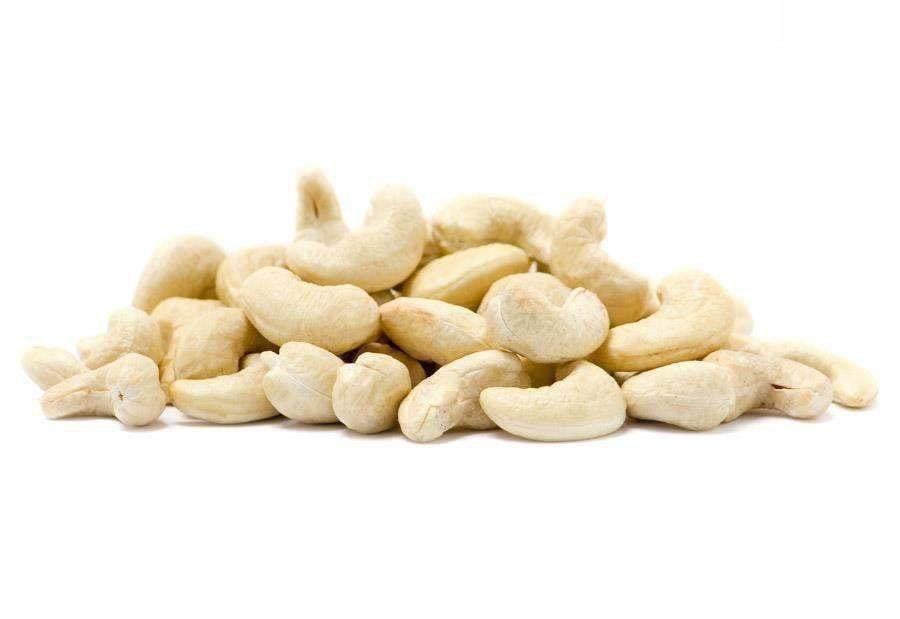
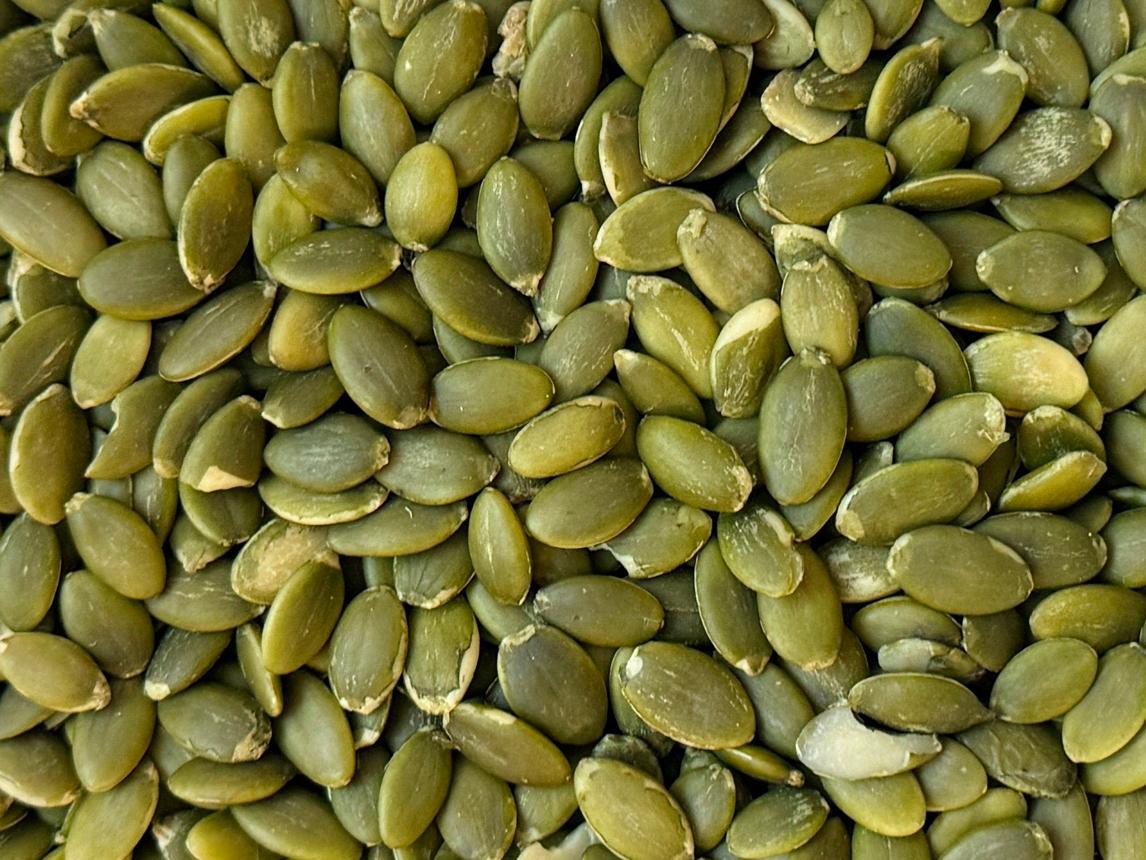
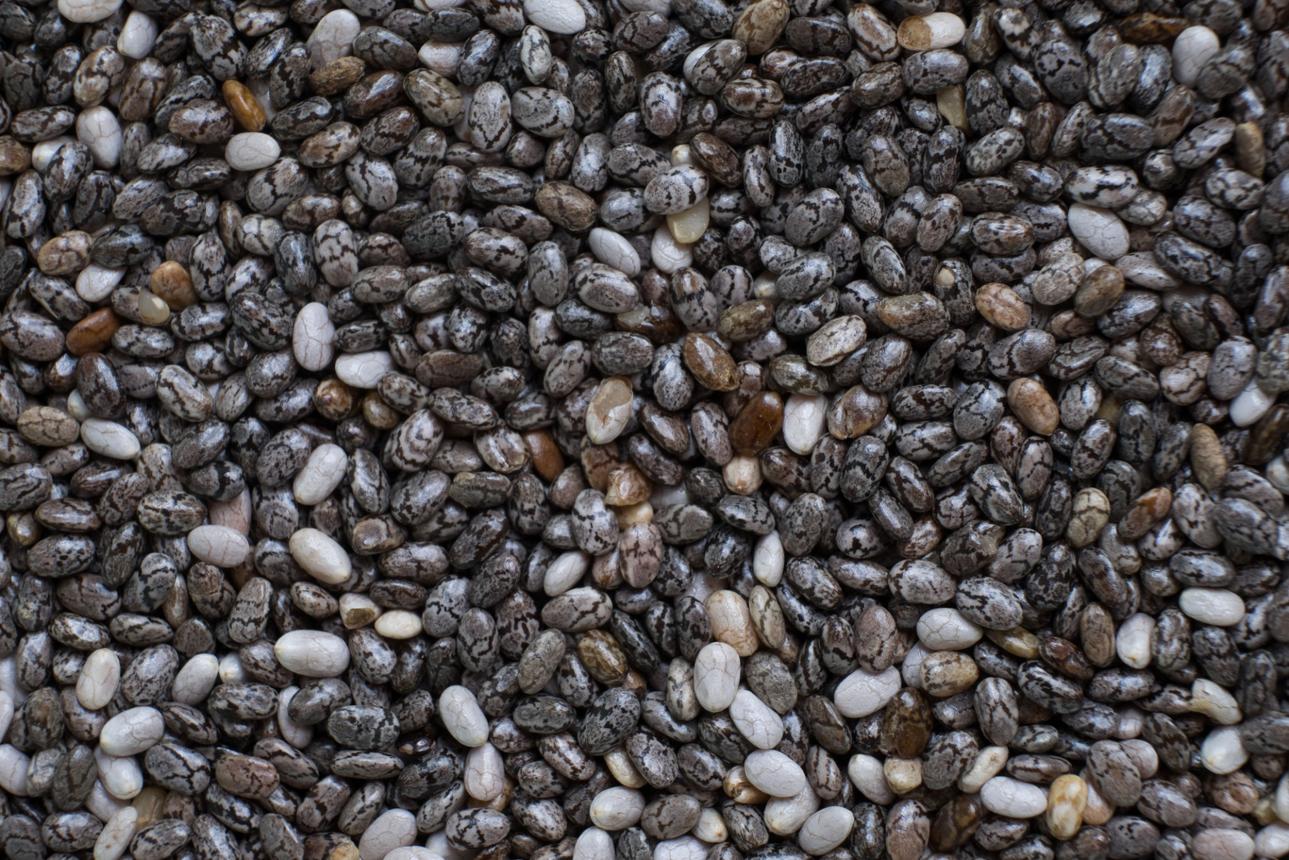
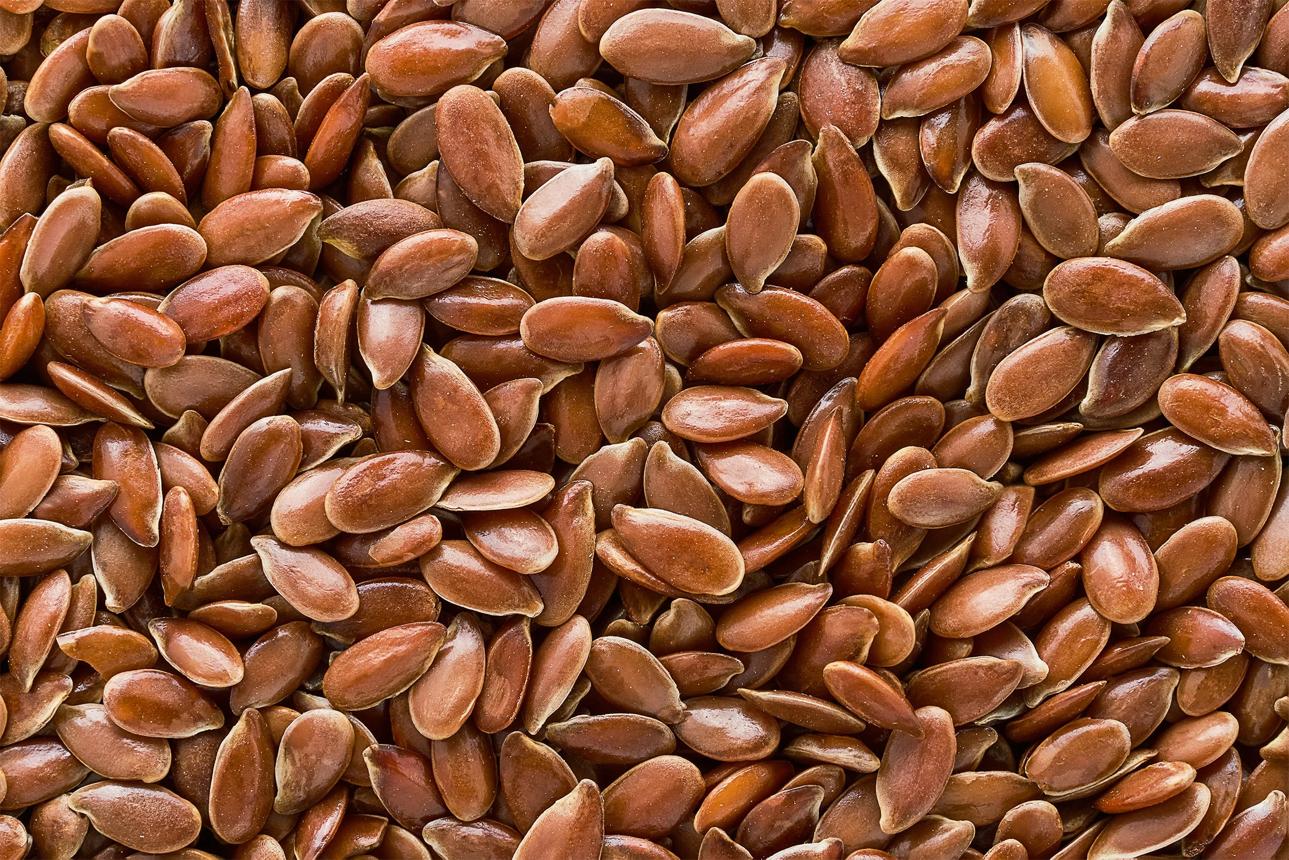
What impressed me was the convenience of consuming a combination of nuts and seeds without having to buy, prepare and chew them separately.
I enjoyed it as a generous spread on bread. It is simple, satisfying and requires almost no preparation.
Costco sells this particular product in a 27-ounce (765-gram) container.
Beyond traditional peanut butter
Peanut butter has been a popular household food for generations. Peanuts are nutritious too, although botanically they belong to the legume family.
Mixed nut butter offers another option, bringing together the nutritional characteristics of several nuts and seeds.
Creative ways to enjoy nut butter
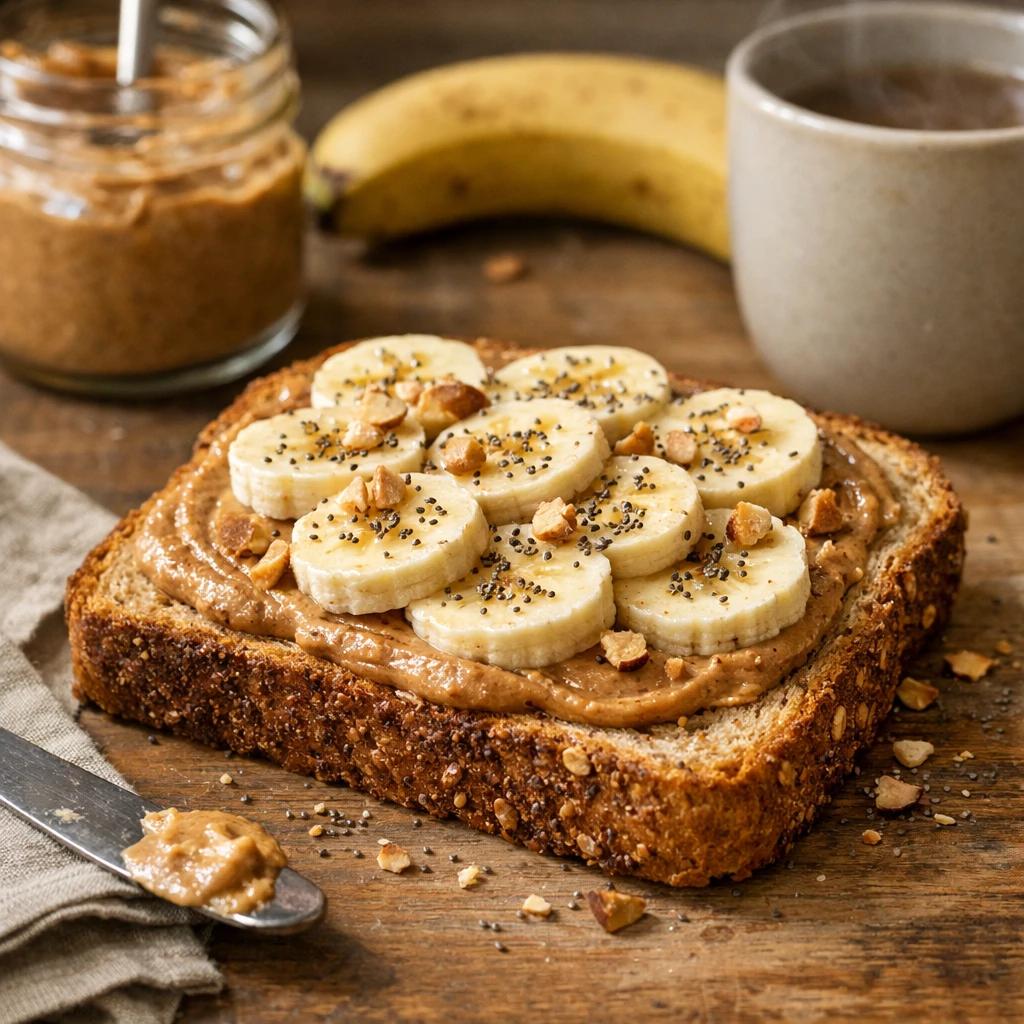
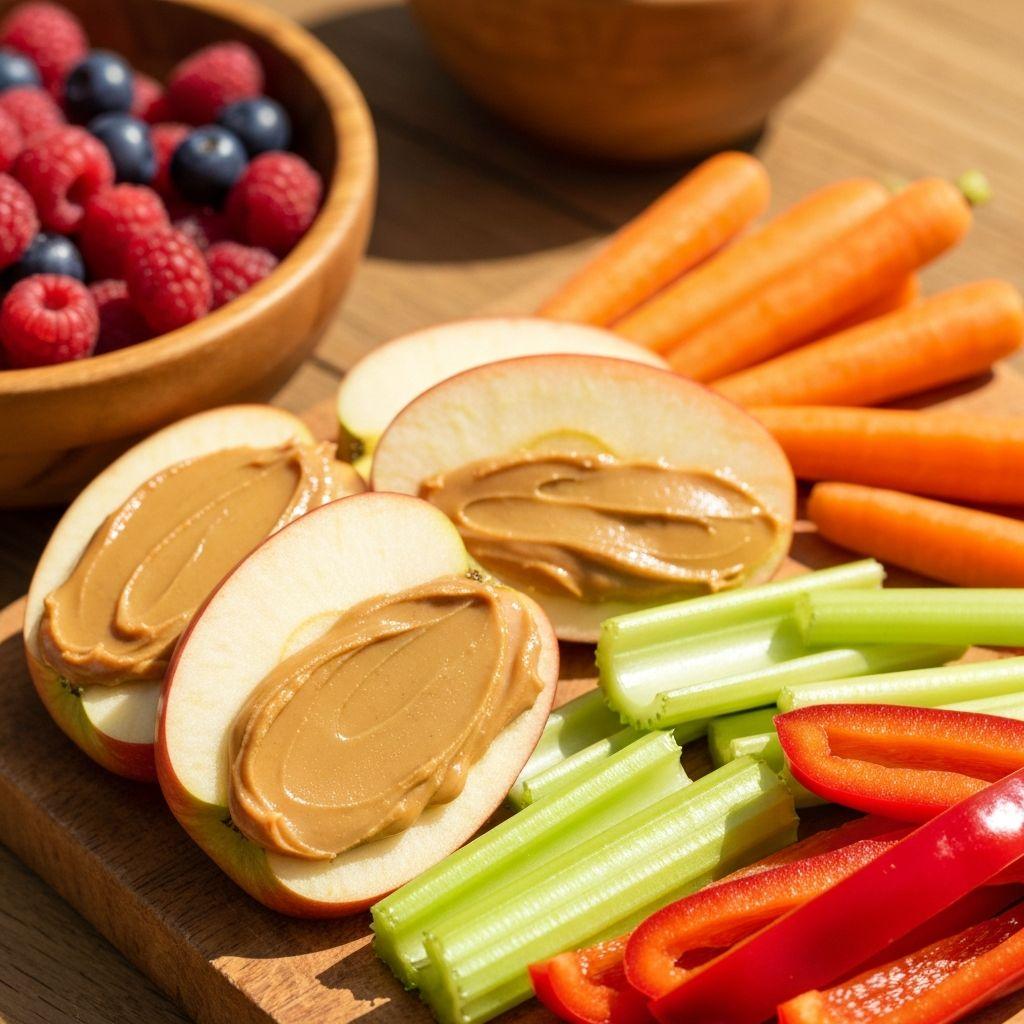
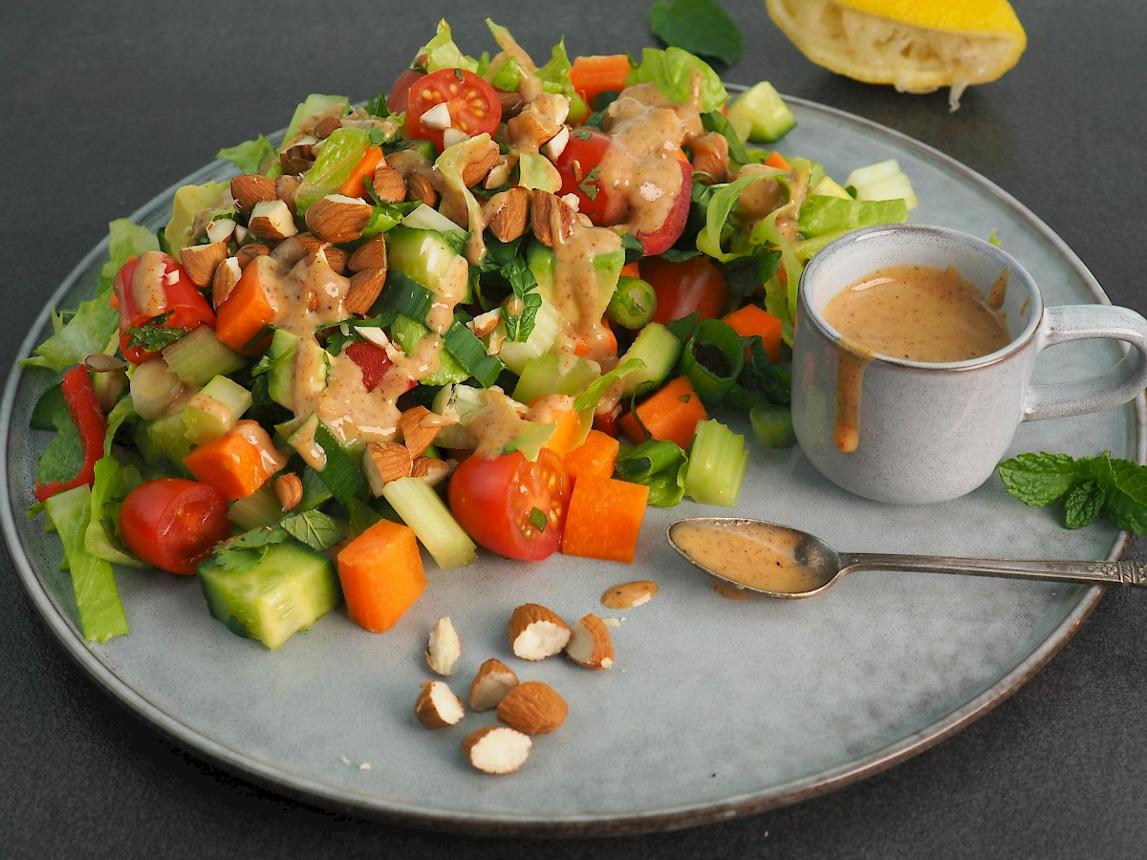
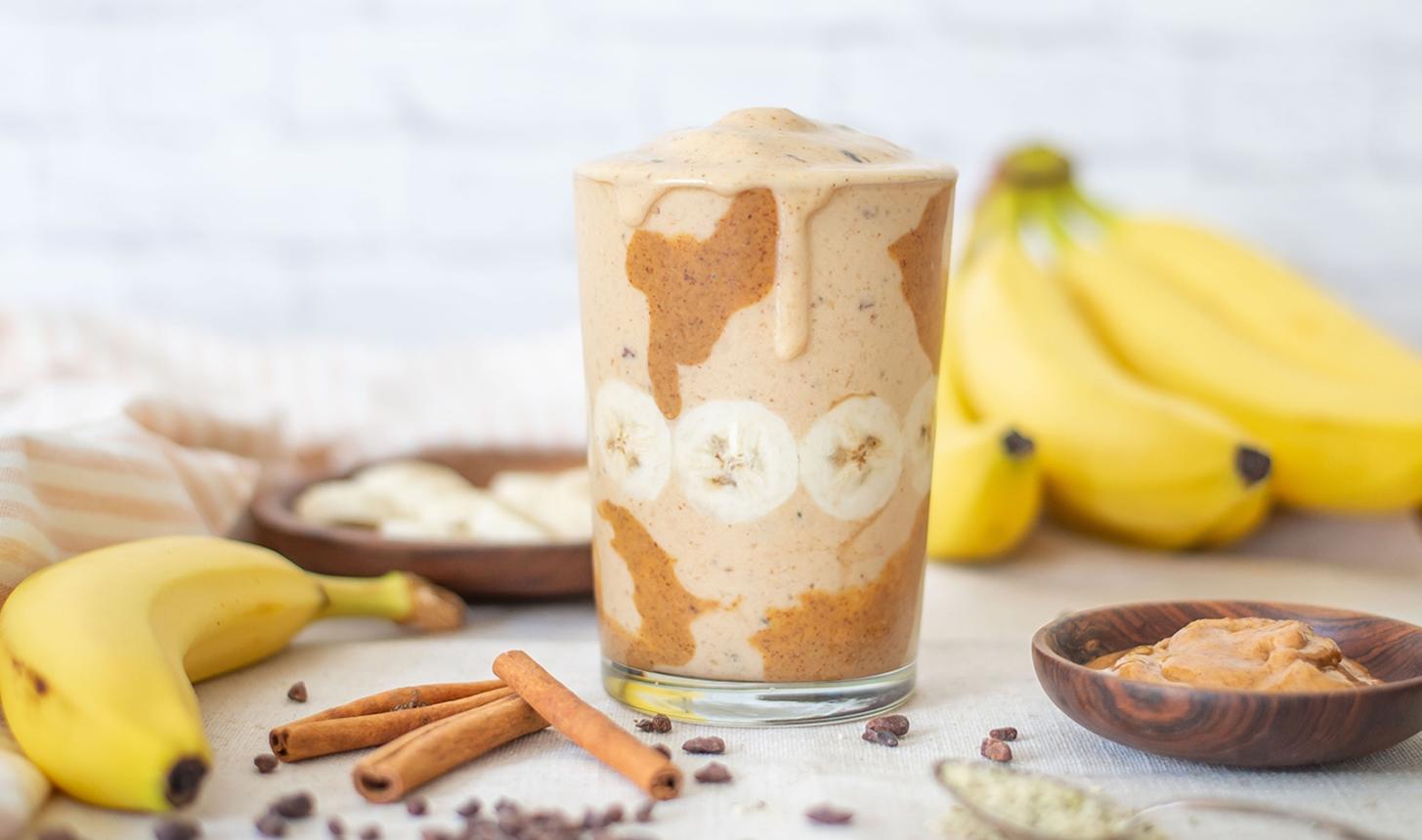
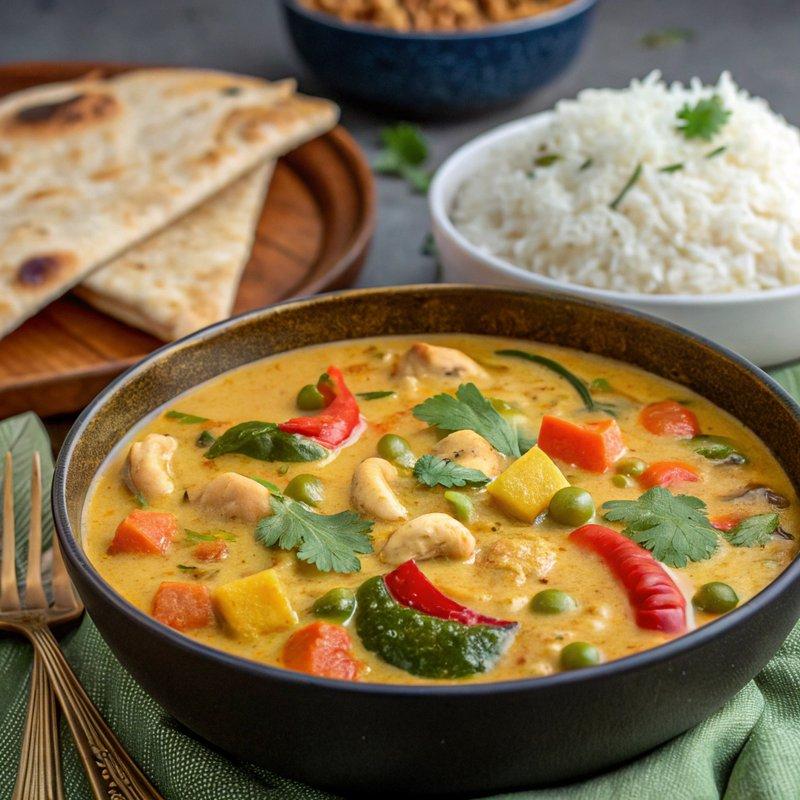
Nut butter can make healthy eating much more convenient for busy families, working professionals and older people.
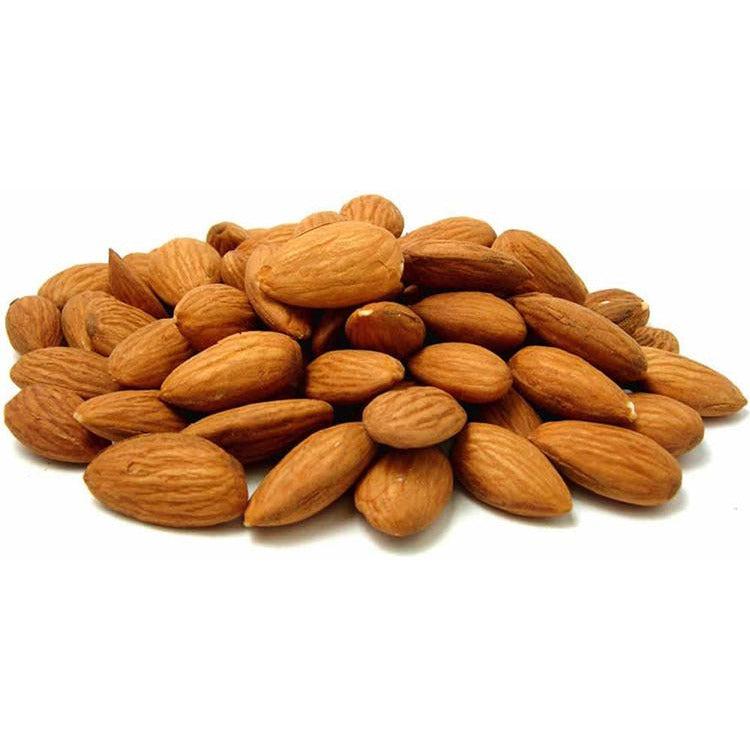
4. The traditional practice of soaking almonds overnight
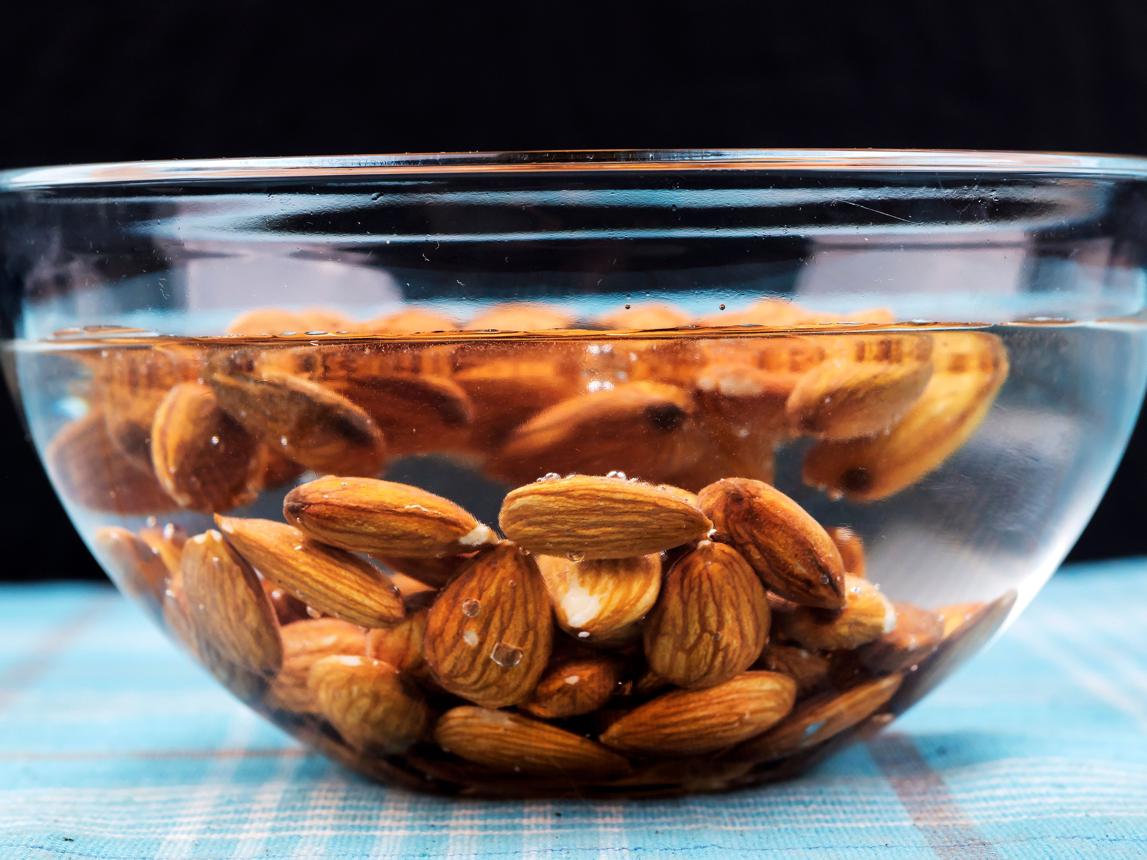
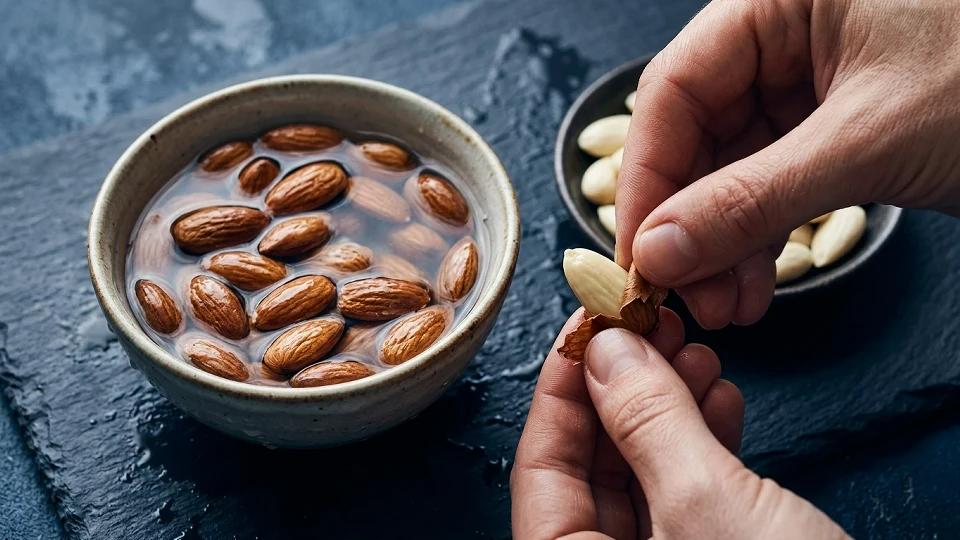
In many Indian households, soaking almonds overnight and eating them in the morning has been a tradition for generations.
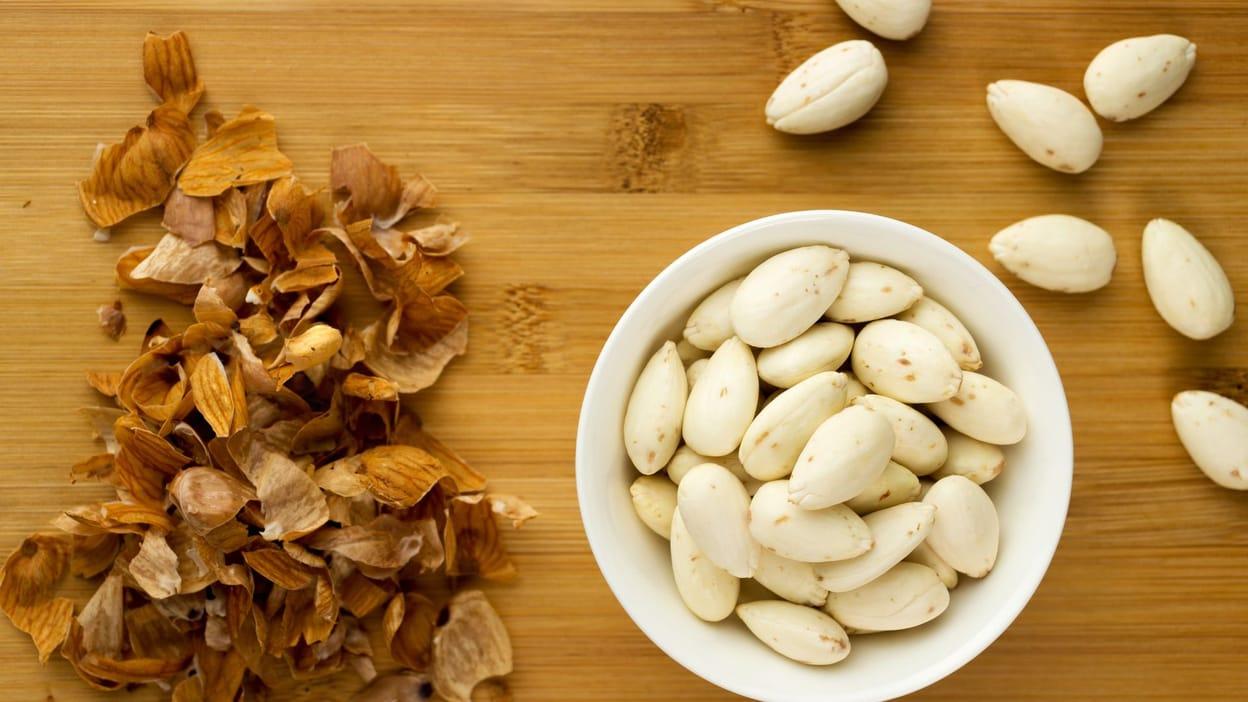
Soaking softens almonds, making them easier to chew and allowing the brown outer skin to be removed effortlessly. This can be particularly helpful for people who find dry almonds difficult to eat.
Should we remove the almond skin?
The brown skin of almonds contains beneficial fiber and polyphenols. For most people, there is no nutritional reason to remove it.
However, some people may prefer peeled almonds because of their texture, personal digestive tolerance or chewing difficulties.
Scientific studies have not established that soaking almonds generally improves digestion or mineral absorption. The primary advantage is their softer texture and ease of consumption. (Sources: PubMed 28956139, PubMed 32199146)
A simple morning habit:
- Place five to eight almonds in a clean bowl.
- Cover them with drinking water.
- Refrigerate overnight for approximately eight hours.
- Drain and rinse them in the morning.
- Peel the skin if preferred and consume with breakfast.
This traditional practice can be an enjoyable way to start the day.
5. Chia seeds, lemon and honey: A refreshing daily drink
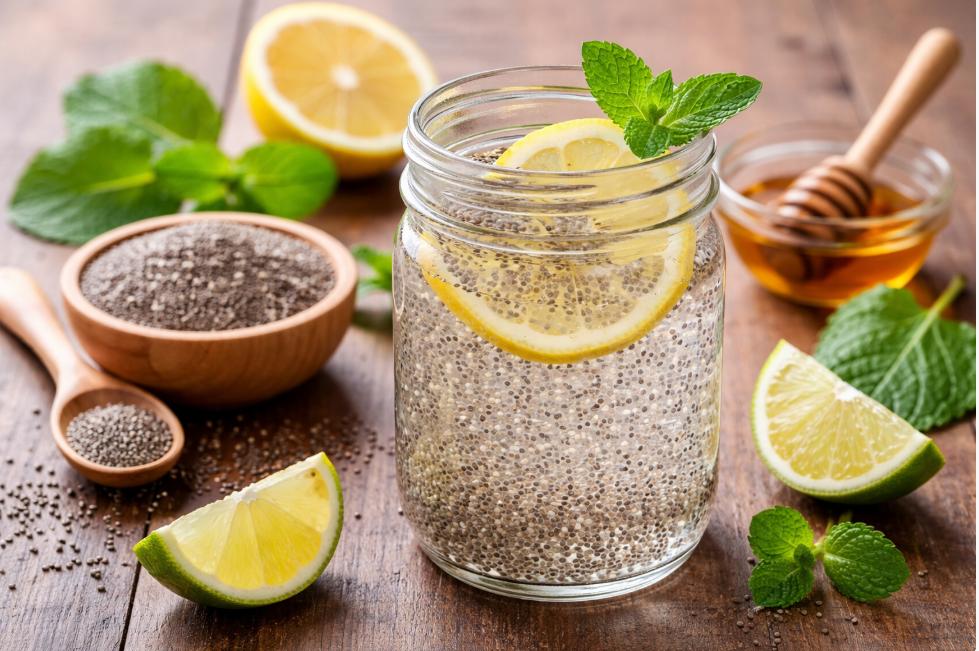
Chia seeds are another convenient way to introduce additional fiber, minerals and plant-based omega-3 fatty acids into our diet.
When soaked in water, chia seeds develop a soft, gel-like coating. They can be incorporated into drinks, yogurt, oatmeal and many other foods.
A refreshing drink made with soaked chia seeds, freshly squeezed lemon juice and a little honey is easy to prepare.
Lemon, Honey & Chia Drink
Preparation: 20–30 minutes · 1 serving
| Ingredient | Amount |
|---|---|
| Water | 250–300 ml |
| Chia seeds | 1–2 teaspoons |
| Fresh lemon juice | ½ lemon |
| Honey (optional) | ½–1 teaspoon |
Preparation: Mix the chia seeds into water and stir well. Allow them to soak for 20–30 minutes, stirring occasionally. Once fully hydrated, add lemon juice and a little honey if desired. Fresh mint or grated ginger can also be added.
Potential benefits include additional dietary fiber, improved bowel regularity, hydration, greater fullness and increased intake of plant-based omega-3 fats.
This is a nutritious beverage, not a detoxification treatment or a weight-loss cure. Honey is still added sugar and can be omitted, particularly by those monitoring blood glucose.
6. Making nuts and seeds accessible to elderly people

As people grow older, their nutritional requirements remain important even though their appetite, chewing ability and digestive tolerance may change.
Some elderly people avoid nuts because of missing teeth, dentures or difficulty chewing hard foods.
Family members and caregivers can help by incorporating nuts and seeds into foods they already enjoy:
- Finely ground almonds in porridge.
- Smooth nut butter mixed into oatmeal.
- Ground flaxseeds in yogurt.
- Cashew paste in vegetable curries.
- Nut powder in dosa or idli batter.
- Smooth nut butter blended into milk or smoothies.
- Finely ground nuts added to soups and other soft foods.
7. Encouraging children to develop healthy eating habits

Healthy eating habits should begin at home during childhood.
Instead of regularly giving children chocolates, sugary biscuits, candies and highly processed snacks, parents can introduce nutritious alternatives containing nuts and seeds.
Homemade nut butter sandwiches, banana smoothies, oatmeal, fruit snacks and ground nuts incorporated into traditional foods can help children develop a taste for these ingredients.
8. How much nutrition does a handful of nuts provide?
The following are approximate nutritional values for 28 grams of plain nuts or seeds (source: USDA FoodData Central). Actual values vary depending on variety and preparation.
| Nuts and seeds | Calories | Protein | Fiber |
|---|---|---|---|
| Almonds | 164 | 6 g | 3.5 g |
| Walnuts | 185 | 4.3 g | 1.9 g |
| Cashews | 157 | 5.2 g | 0.9 g |
| Pistachios | 159 | 5.7 g | 3 g |
| Peanuts | 161 | 7.3 g | 2.4 g |
| Hazelnuts | 178 | 4.2 g | 2.7 g |
| Pecans | 196 | 2.6 g | 2.7 g |
| Pumpkin seeds | 159 | 8.5 g | 1.7 g |
| Chia seeds | 138 | 4.7 g | 9.8 g |
| Flaxseeds | 150 | 5.2 g | 7.7 g |
Protein in nuts and seeds
Approximate grams per 28-gram serving:
9. How much should we eat every day?
For most healthy adults without nut allergies or dietary restrictions, approximately one small handful of nuts daily is a reasonable target.
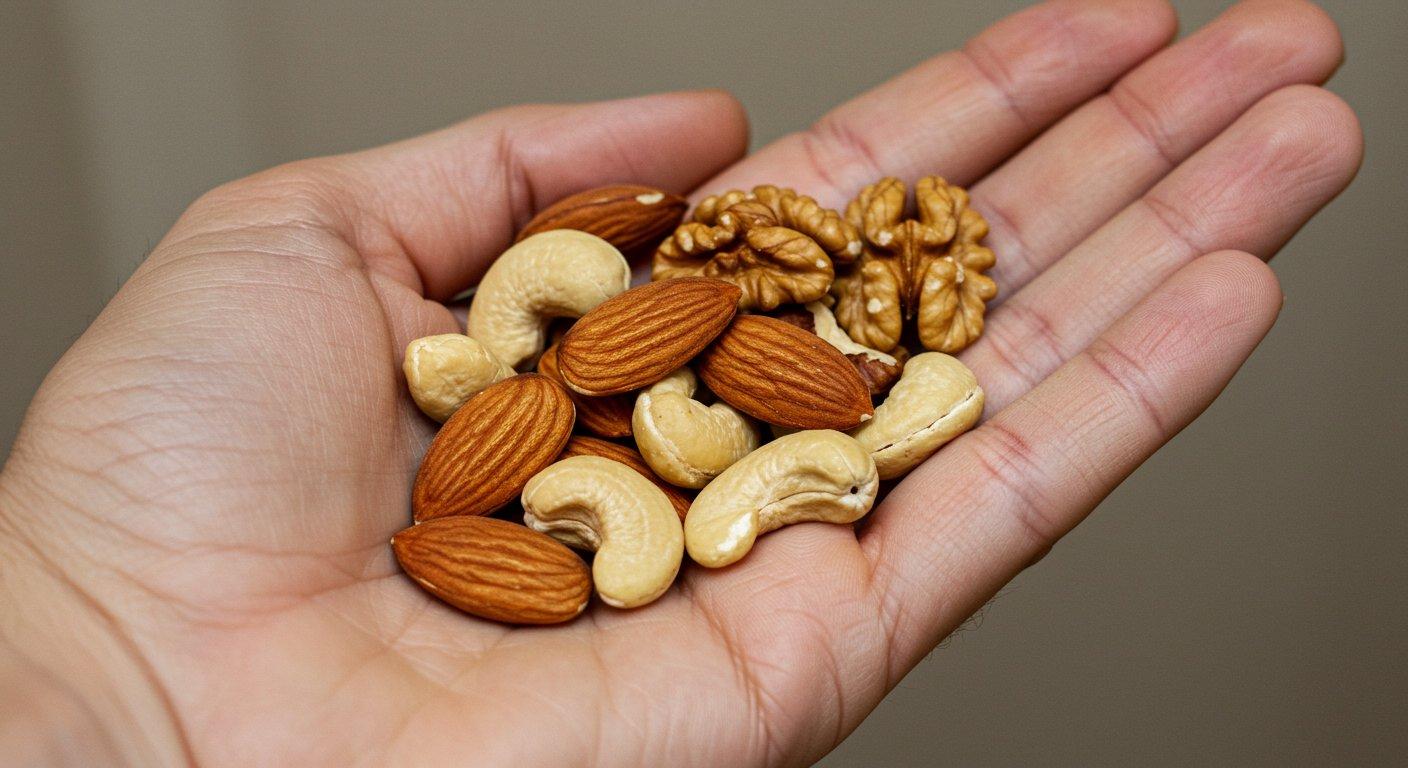
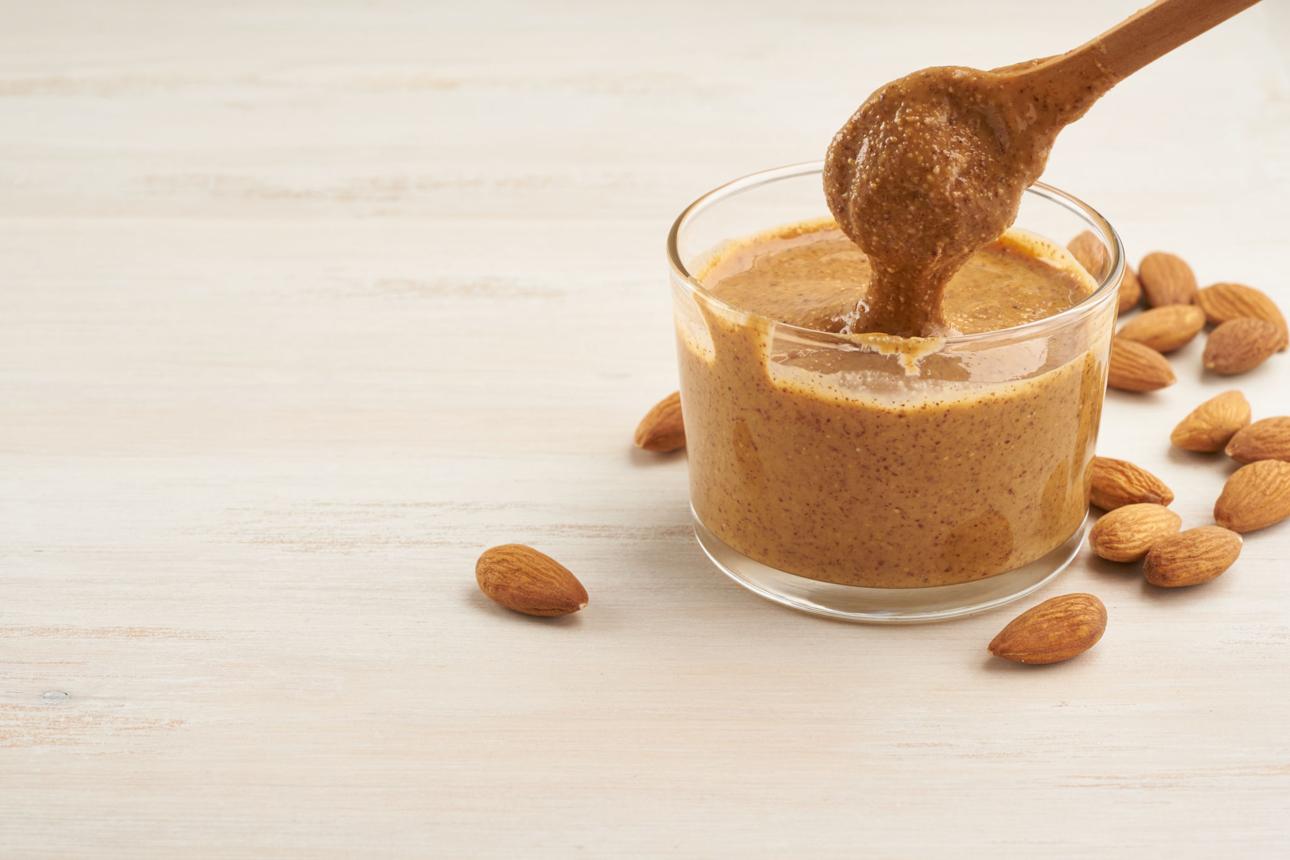
These are alternative serving examples, not quantities that must both be consumed daily. (Source: American Heart Association)
A simple daily routine
| Time | Suggested food |
|---|---|
| Morning | A few soaked almonds |
| Breakfast | Whole-grain toast with mixed nut butter |
| Mid-morning | Soaked chia seeds with lemon water |
| Lunch | Salad with pumpkin seeds |
| Afternoon | A few walnuts or pistachios |
| Dinner | Ground flaxseeds added to a suitable dish |
This is a menu of possibilities. Choose moderate portions according to your nutritional and calorie requirements rather than feeling obliged to eat everything listed.
10. Make your own mixed nut butter at home
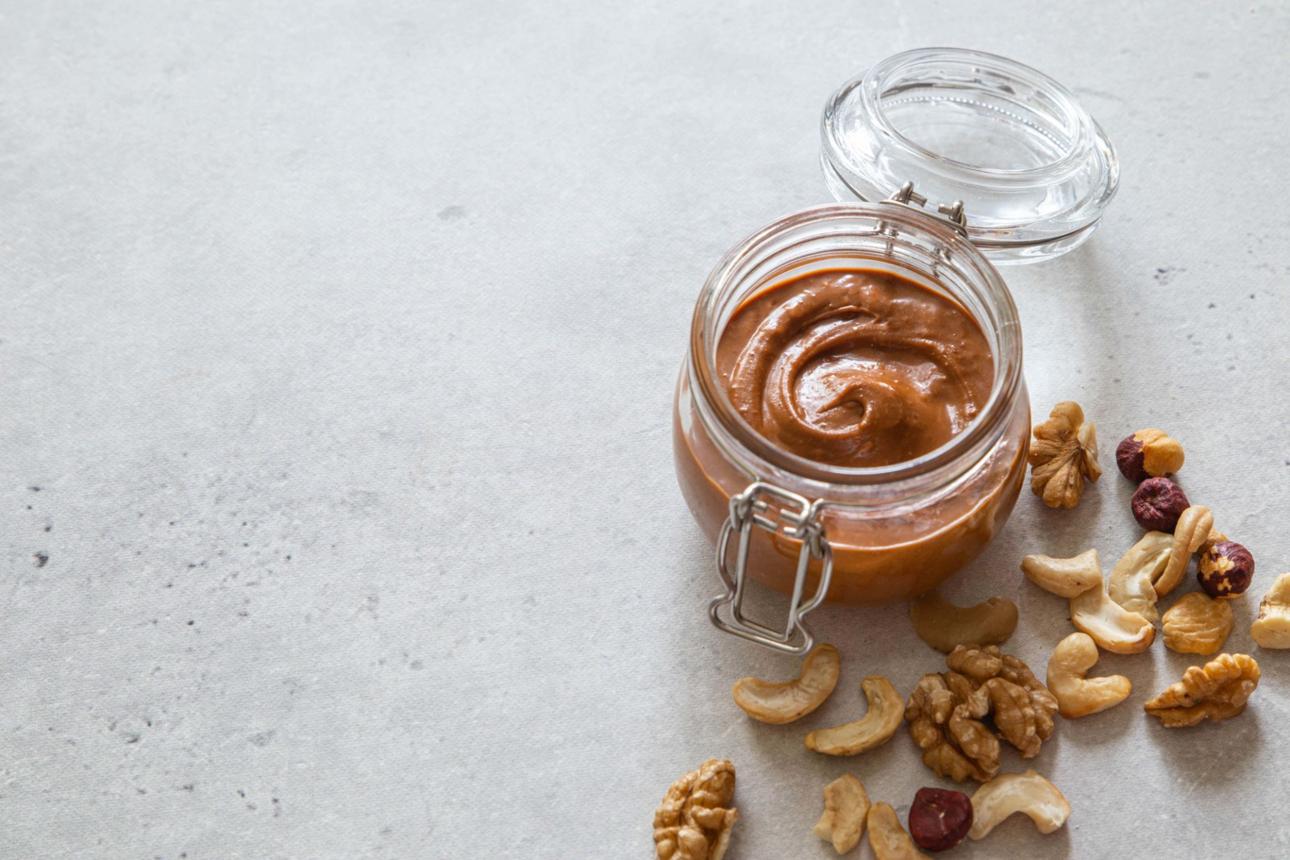
People who have access to a suitable food processor can also prepare their own mixed nut butter, adjusting the ingredients to suit their tastes.
Homemade Mixed Nut & Seed Butter
| Ingredient | Quantity |
|---|---|
| Almonds | 1 cup |
| Cashews | ½ cup |
| Walnuts | ½ cup |
| Pumpkin seeds | ¼ cup |
| Sunflower seeds | ¼ cup |
| Chia seeds | 1 tablespoon |
| Ground flaxseeds | 1 tablespoon |
Method: Lightly roast the almonds, cashews, walnuts, pumpkin seeds and sunflower seeds. Allow them to cool.
Process in a powerful food processor, scraping down the sides periodically until the mixture releases its natural oils and develops a creamy consistency.
Add the chia seeds and ground flaxseeds toward the end. No added sugar or oil is normally necessary.
Transfer to a clean, dry, airtight glass container and refrigerate. Avoid introducing moisture into the jar, prepare small batches and discard the butter if it develops mold or an unpleasant rancid smell.
11. What to look for when buying nuts and nut butters
Not all commercially available nut products are equally nutritious. Some contain considerable amounts of sugar, salt, chocolate coatings or added saturated fats.
When shopping, look for:
- Unsalted or lightly salted nuts.
- Unsweetened nut butter.
- Minimal unnecessary ingredients.
- Clear allergen declarations.
- Fresh products without signs of rancidity.
- No excessive added sugar or hydrogenated oils.
Natural oil separation in nut butter is common. Stir the contents thoroughly and follow the manufacturer’s storage instructions.
Buying in bulk can be economical, but purchase only what your household can reasonably consume before the product deteriorates. Nuts contain natural oils that can become rancid when exposed to heat, air and light.
12. Nuts in Indian cuisine: Rediscovering our own traditions
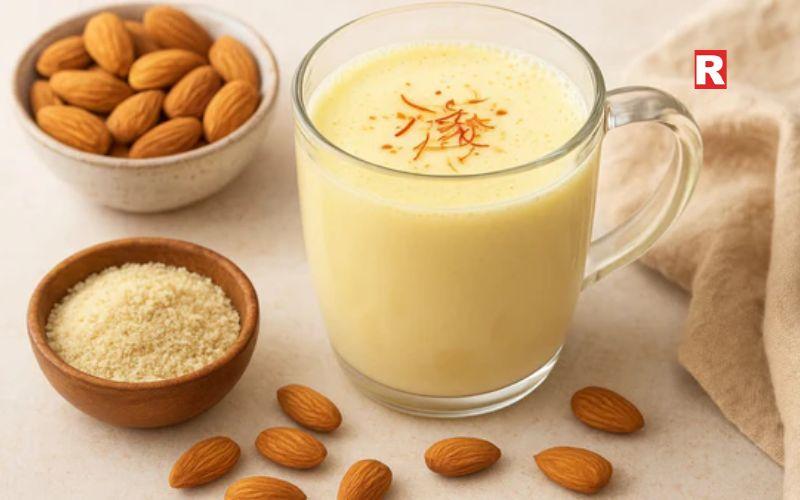
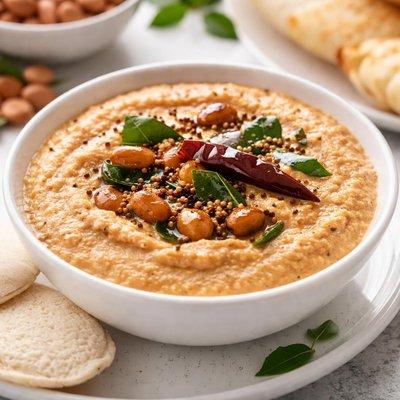
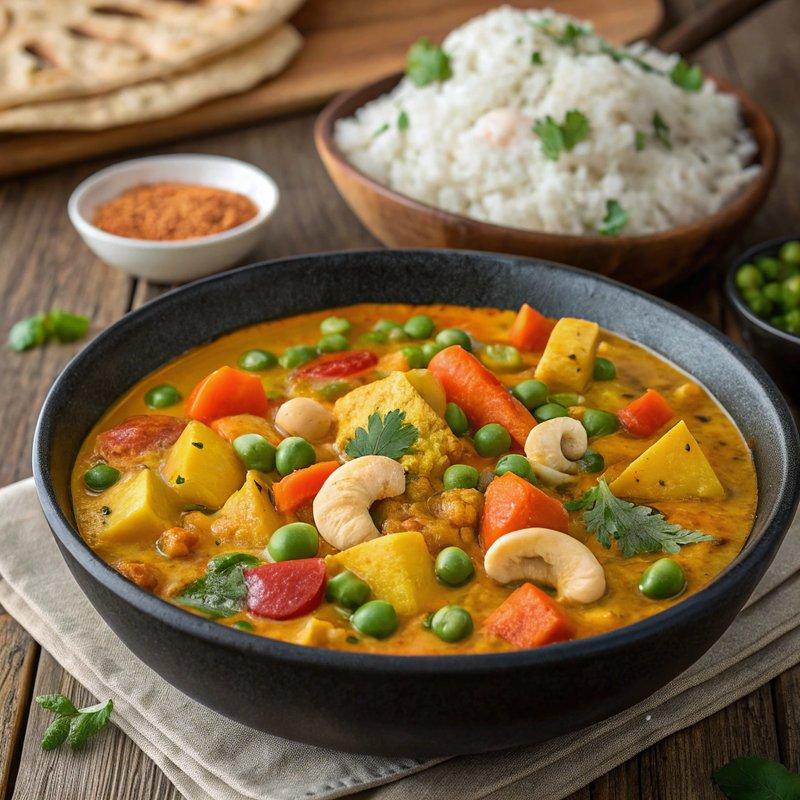
Indian cuisine has a long tradition of using nuts and seeds in everyday cooking.
From cashew-based curries and almond milk to sesame chutneys, groundnut preparations, coconut dishes and traditional sweets, our ancestors found numerous ways to incorporate these ingredients into food.
We can rediscover these traditions while adapting them to modern nutritional needs by reducing excessive sugar, salt and added fats.
Peanuts, sesame seeds and sunflower seeds are also relatively affordable alternatives to expensive imported nuts. Good nutrition should not become a luxury available only to wealthy families.
13. Important precautions
While nuts and seeds are beneficial for many people, they are not suitable for everyone in unlimited quantities.
People with food allergies, swallowing disorders, certain kidney conditions or medically prescribed dietary restrictions may require individualized guidance.
Excessive consumption can also contribute to excess calorie intake or digestive discomfort. Moderation, variety and consistency are more important than quantity.
Conclusion: A small daily habit with lifelong benefits
We spend considerable amounts of money on supplements, medicines, beauty products and various solutions for improving our health. Yet some of the most valuable nutritional resources are already available in our kitchens and supermarkets.
A handful of nuts, a spoonful of mixed nut butter, a few soaked almonds or a refreshing glass of hydrated chia seeds with lemon can become part of a healthier everyday routine.
We should particularly encourage our children to develop these habits early in life and help our elderly parents and relatives continue to enjoy these nutritious foods in forms they can safely consume.
Products such as mixed nut butter demonstrate how modern food preparation can make traditional nutritional wisdom more accessible and convenient.
Healthy aging does not begin when we become old. It begins with the choices we make every day throughout our lives.
Eat a variety of nuts and seeds. Eat in moderation. Make it a daily habit. And encourage your family to do the same.
— Thomas Vellaringattu
Scientific references
- Mayo Clinic – Nuts and your heart
- American Heart Association – Go Nuts (But Just a Little!)
- Harvard Health – Quick-start guide to nuts and seeds
- Harvard School of Public Health – Chia seeds
- Research on soaking almonds and digestive tolerance (PubMed)
- Research on soaking nuts and nutrient availability (PubMed)
- USDA FoodData Central
- CDC – Childhood choking hazards
Comments0
Loading comments…