
Echoes of Royalty: Uncovering the Historical Lineages of India and Kerala
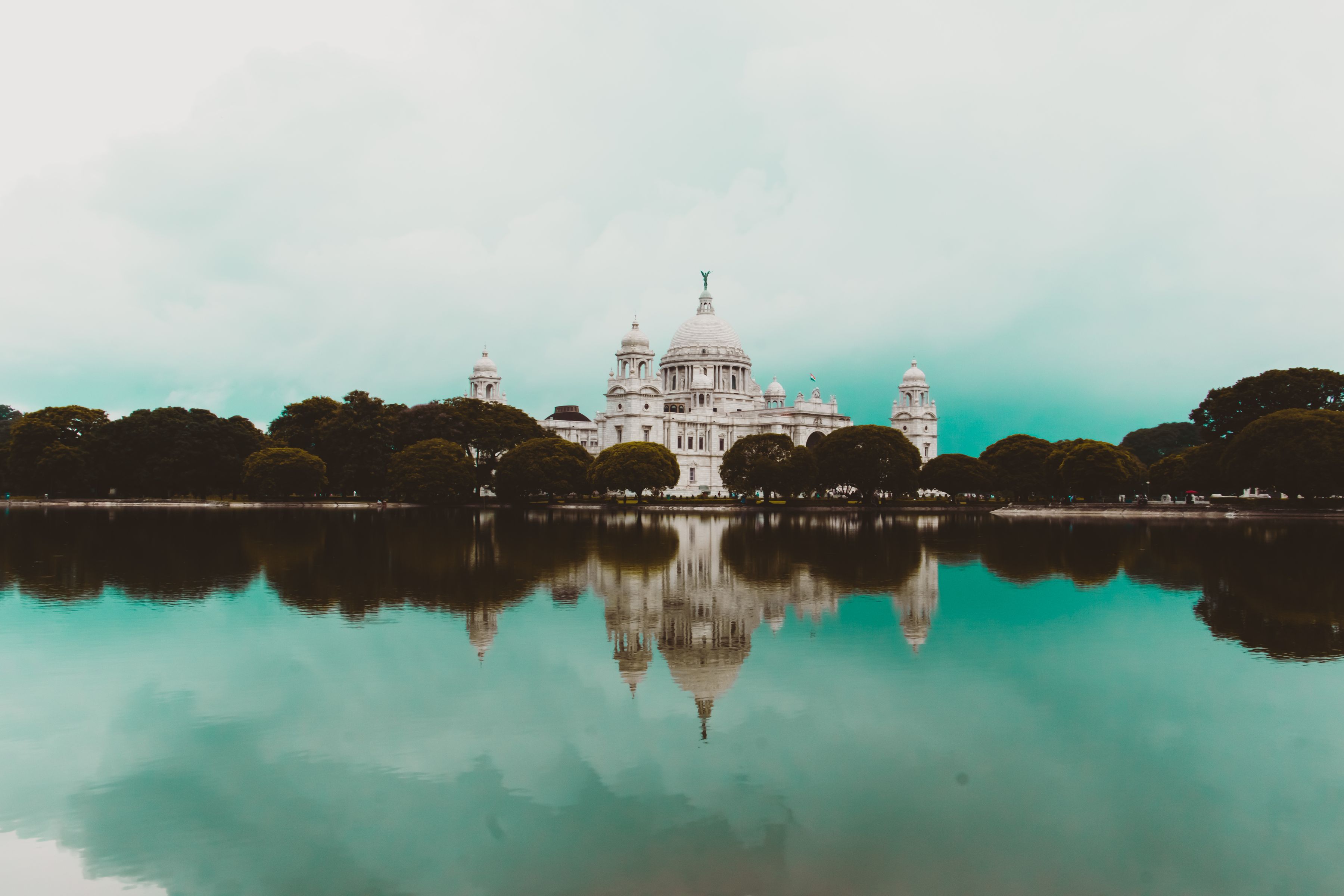
Genealogy in India is not merely a tracking of names — it is a preservation of identity, culture, and deep-rooted heritage. Throughout Indian history, royal lineages, noble families, and family networks (Tharavadus) recorded their family trees to trace succession, maintain land governance, and honor ancestral legacies.
From the grand imperial dynasties of Northern India to the matrilineal royal houses of Kerala, lineage systems reflect India's astonishing diversity. Exploring these historical families offers key insights into how family trees were documented across generations — and why preserving your own family history today matters more than ever.
The Dynasties of Greater India: Pan-Indian Lineages
Across the subcontinent, royal lineages were recorded by court historians, bards, and genealogists who maintained detailed family charts (Vamshavalis). Two of the oldest and most influential lineages are the Mewar house of Udaipur and the imperial Cholas of the Tamil country.
1. The Mewar Dynasty of Udaipur
Recognized as one of the oldest continuing royal lineages in the world, the Mewar house traces its roots across 76 generations. Famous for rulers like Maharana Pratap, the family preserved their lineage through written records, palace archives, and strict hereditary traditions that survive today. The Suryavanshi (Sun dynasty) claim, the City Palace archives at Udaipur, and the Mewar Foundation's ongoing preservation work make this house a living case study in genealogical continuity.
2. The Chola Empire
In Southern India, the imperial Cholas established one of the most powerful maritime dynasties in Asian history. Lineages were recorded on stone temple walls and copper-plate grants (Tamra Shasana), documenting generations of kings, land transfers, and family donations. The Great Living Chola Temples — Brihadeeswarar at Thanjavur, Gangaikonda Cholapuram, and Airavatesvara at Darasuram — remain UNESCO-listed archives of genealogical memory, chiseled into stone.
Kerala's Royal Lineages: Matrilineal Traditions & Maritime Powers
Kerala holds a unique place in Indian genealogy due to its historical prevalence of Marumakkathayam — a matrilineal succession system where lineage and property passed through the female line (from uncle to nephew). Three houses stand out: Travancore, Arakkal, and the Zamorins of Calicut.
1. The Travancore Royal Family (Venad)
Tracing origins back to the ancient Chera dynasty, the Travancore royal house governed Southern Kerala. Following the matrilineal system, succession was carried through the Maharani (Senior Rani of Attingal). Notable rulers like Maharaja Marthanda Varma dedicated the kingdom to Lord Padmanabha, ruling as Padmanabha Dasas. The family maintained detailed genealogical records — the Mathilakam Records — written on palm leaves (Olla) and preserved by the Sree Padmanabhaswamy Temple Trust and the Kerala State Archives.
2. The Arakkal Kingdom of Kannur
The Arakkal dynasty holds a rare position as India's only Muslim kingdom that followed a matrilineal succession system. The oldest member of the family — whether male (Ali Raja) or female (Arakkal Beevi) — became the ruler of the kingdom and the Lakshadweep islands. The Arakkalkettu palace in Kannur, now the Arakkal Museum, still houses letters, land deeds, and family portraits documenting the lineage.
3. The Zamorins of Calicut (Samutdiri)
Rulers of Malabar and master navigators of the Arabian Sea trade routes, the Zamorin royal house was structured into distinct branches (Kovilakams) — such as Pudia, Padinjare, and Kizhakke Kovilakams. The eldest male member across these branches ascended to the throne of Calicut. The Zamorins famously welcomed Vasco da Gama in 1498, and their internal genealogical records — kept by traditional scribes (Panickers) — remain a benchmark for multi-branch tharavadu documentation.
Kerala's Ancestral Homes (Tharavadus)
Rooted in the soil of gods — the unique heritage of Kerala's ancestral homes (Tharavadus), matrilineal traditions (Marumakkathayam), and historical family-tree tracking across Malabar and Travancore.
Unlike much of the Indian subcontinent, where lineage historically flowed through patrilineal descent, Kerala's social tapestry was shaped by a unique structural phenomenon: the Tharavadu system. Across the historic regions of Malabar, Cochin, and Travancore, family trees were not merely charts of names — they were living ecosystems bound by matrilineal descent, communal ancestral manors, and deep ties to local geography.
For modern families attempting to trace their roots across Kerala, understanding these unique social and legal traditions is the key to unlocking centuries of ancestral history.

1. What is a Tharavadu?
A Tharavadu (or Tarawad) refers to both the extended joint family lineage and the ancestral courtyard home — the Nalukettu (four-block), Ettukettu (eight-block), or Pathinarukettu (sixteen-block) — that housed generations of relatives sharing a common female ancestor. The defining feature is the nadumuttam — a central open-to-sky courtyard around which four halls (kettu) are arranged, letting in light, monsoon rain, and the family's collective breath.
Historically, a Tharavadu served as the socio-economic anchor of family life. It managed agricultural lands, maintained ancestral deities (Kavu / Sarpa Kavu — the family serpent grove), and provided lifetime refuge and ownership to all members born into the maternal line.

2. Decoding Marumakkathayam (Matrilineal Heritage)
The defining hallmark of Kerala genealogy — among royal houses, Nair communities, Ambalavasis, and certain Mappila lineages — was Marumakkathayam. Derived from the Malayalam word Marumakkal (meaning "sister's children"), this system passed family identity, surnames, titles, and ancestral property down through the female line:
- Lineage via Mothers — children belonged to their mother's Tharavadu, taking her family name and inheriting rights from her family branch.
- The Role of the Karanavar — the eldest male member (typically the maternal uncle, or Ammavan) managed the estate as the Karanavar, but the true lineage continuity rested entirely with the mothers, daughters, and nieces.
- Nephews as Heirs — when a male member passed away, his assets did not go to his own children, but to his sister's children (Anandaravar).
The legal transition from matrilineal joint families to modern nuclear households was formalised through the Madras Marumakkathayam Act of 1932 and later the Kerala Joint Hindu Family System (Abolition) Act of 1975 — the moment India's most distinctive family system was gradually dissolved into the mainstream nuclear model.
3. Regional Lineages: Malabar vs. Travancore
Tracing family records in Kerala requires understanding the distinct historical archives and administrative divides across Malabar and Travancore.

The Malabar Coast (Northern Kerala)
In Malabar, aristocratic lineages were closely connected to regional chieftainships (Naduvalis) and coastal trading dynasties. Notable examples include:
- The Zamorins of Calicut (Samutdiri) — structured into distinct branch houses called Kovilakams (Pudia, Padinjare, and Kizhakke Kovilakams).
- The Arakkal Kingdom — India's only Muslim royal lineage following matrilineal succession, where rulers were titled Ali Raja or Arakkal Beevi.
- Nair Tharavadus of North Malabar — Kolathiri, Pazhassi, Kadathanad, and Kottayam (Kannur) princely families whose Kovilakams still stand in Kannur, Kasaragod, and Wayanad.
Genealogical records for Malabar families are commonly found in the British Madras Presidency archives, the Kozhikode Regional Archives, and the pre-1956 Malabar District settlement registers.
The Travancore Kingdom (Southern Kerala)
In Southern Kerala, lineage records were meticulously maintained through royal decrees, temple donation logs, and palm-leaf manuscripts (Olla Grantha):
- Attingal Ranis — the Travancore royal house traced sovereign lineage through the senior queens of Attingal.
- Kudumba Sangamams — Southern Kerala pioneered formal clan reunions where scattered sub-branches (Thavazhis) published printed books tracing 10+ generations of family history.
- Nasrani / Syrian Christian Lineages — communities like the Tharakans, Vaidyans, Kathanars, and Achens documented century-old family branches originating from early settlement villages along the Periyar and Pamba rivers. The Kottayam, Pala, Kanjirapally, Ranni, and Chengannur belts are especially rich in family-published lineage books.
- Nampoothiri Illams — the Kerala Brahmin ancestral homes, with rigorous Vedic gotra records maintained at Thrissur, Vaikom, Peruvanam, and Aluva.
4. Challenges in Tracing Kerala Family Trees
If you are researching your Kerala ancestral roots, you will likely encounter three common hurdles:
- Branch Splitting (Thavazhi Division) — as Tharavadus grew too large, they legally split into smaller maternal branches called Thavazhis. Identifying your specific Thavazhi name is necessary to trace beyond 4 generations.
- Missing Paternal Surname Records — because older generations carried only their Tharavadu name, house name, and personal name, finding paternal connections prior to the 1950s requires family oral records.
- Loss of Palm-Leaf Registers — before digital databases, family trees were recorded in palm-leaf books (Jathakam horoscopes and Olla documents), many of which degraded over time or were lost during the 1924 great flood of Kerala.
How IndianFamilyTree.com Helps Preserve Your Kerala Heritage
IndianFamilyTree.com was designed specifically to accommodate the complex structures of Indian and Kerala genealogy:
- Support for Dual Lineages — map maternal side (Amma/Ammavan) and paternal side connections with equal clarity, including matrilineal branches that most Western genealogy software struggles to represent.
- Cultural Metadata Fields — preserve essential heritage details including your Tharavadu Name, Native Village (Desam), Family Deity (Kavu), and House Name (Veedu Peru).
- WhatsApp Family Collaboration — instantly share your tree with relatives across Dubai, the US, or Kerala to fill in missing Thavazhi branches.
- Kudumba Sangamam Tools — organize large family reunions, track RSVPs across branches, and coordinate budget pooling.
- Free Ancestral Tributes — honor departed elders and Karanavars with dedicated, permanent digital memorial pages via "Celebrate a Life".
The Iyer House of Palakkad: Tamil Brahmin Heritage in Kerala
Among the most distinctive migrant lineages within Kerala are the Palakkad Iyers — Tamil Brahmin families who settled in the Palakkad region between the 16th and 18th centuries, drawn by the fertile plains and the patronage of the Kollengode, Kavassery and other local rajas.
Agraharams: The Living Archives
The Palakkad Iyers built 96 traditional agraharams (village streets of Brahmin houses) — including Kalpathy, Chittur, Vadakkanthara, Nurani, Kollengode, and Sekharipuram — many of which still stand today with their carved wooden pillars, tulasi mutrams, and central shrines. Kalpathy, on the banks of the Bharathapuzha, was declared a UNESCO Heritage Village for its intact 700-year-old street plan.
Gotra, Pravara, and Family Registers
Each Iyer family maintains a strict record of:
- Gotra — patrilineal descent from one of the ancient rishis (Bharadwaja, Vashishta, Kaushika, Atri, Gautama, Jamadagni, Kashyapa, Agastya).
- Pravara — the sequence of three or five ancestral seers invoked in ritual.
- Sutra — the Vedic school the family follows (Apastamba, Bodhayana, or Ashvalayana).
- Vazhi Thirumurai — a hand-written family register maintained by the eldest male of the household, listing births, upanayanams, weddings, and death anniversaries (shraddha dates).
Notable Palakkad Iyer families whose genealogies are widely documented include the K.P.S. Menon, M. S. Subbulakshmi (born Kunjamma of Madurai but married into the Palakkad-linked Sadasivam family), Palghat Mani Iyer (mridangam maestro), and the family of C. V. Raman, the Nobel laureate, whose paternal roots trace back to Trichy but whose gotra and rituals remained rooted in the Iyer Vedic tradition.
Marwari Business Dynasties: The Merchant Houses of Rajasthan
Few communities have shaped Indian commerce like the Marwaris — a merchant community originally from the Marwar (Jodhpur) and Shekhawati regions of Rajasthan, who spread across India as bankers, traders, and industrialists from the 18th century onwards. Their family firms — organized around the bahi-khata ledger, the joint Hindu family, and the gaddi (seat of business) — are among the most rigorously documented commercial lineages in the world.
The Birla Family
Founded by Seth Shiv Narayan Birla in Pilani, Rajasthan, and elevated to national stature by Ghanshyam Das Birla — friend of Mahatma Gandhi, founder of Birla Mills, Hindustan Motors, and the Birla Institute of Technology & Science (BITS Pilani). The family's genealogical tree, published in the Birla Vamsha Parichay, records seven documented generations from the mid-1800s to today's Kumar Mangalam Birla-led Aditya Birla Group.
The Bajaj Family
Jamnalal Bajaj, born in Kashi ka Bas (Sikar district), was adopted into the Bajaj family of Wardha and became one of Mahatma Gandhi's closest financiers. The lineage — Kamalnayan, Ramkrishna, Rahul, Shishir, and now Rajiv & Sanjiv Bajaj — is publicly traceable through the Bajaj Group's annual reports and the Jamnalal Bajaj Foundation archives.
Ruia, Poddar, Goenka, Singhania, Dalmia, Jindal, Mittal
The Shekhawati havelis of Nawalgarh, Mandawa, Fatehpur, and Ramgarh — with their frescoed walls documenting family ancestors and mercantile journeys — remain the largest open-air genealogical archive in South Asia. Modern industrial houses including Ruia (Essar), Goenka (RPG, Emami), Poddar, Singhania (JK Group, Raymond), Dalmia, Jindal, and Mittal trace their commercial lineage through these hand-painted havelis and the meticulous parta account books maintained by generations of family accountants.
Freedom-Fighter Households: Families That Built Modern India
The Indian independence movement was carried on the shoulders of individual heroes — but also, crucially, on the shoulders of entire households who put their homes, wealth, and daughters and sons in the service of the nation. These families continue to shape Indian public life today, and their genealogies are among the most publicly-documented in the country.
The Nehru-Gandhi Family
From Motilal Nehru (whose Allahabad home Anand Bhavan was gifted to the nation and is now a museum) to Jawaharlal Nehru, first Prime Minister of India, to Indira Gandhi, Rajiv Gandhi, and the present generation — this is arguably the most-documented political lineage in modern India. The Nehru Memorial Museum and Library in Delhi maintains the original family correspondence, photographs, and genealogical charts.
The Bose Family of Bengal
Netaji Subhas Chandra Bose, founder of the Indian National Army, came from a large Bengali Kayastha family in Cuttack and Calcutta. His elder brother Sarat Chandra Bose was a leading Congress figure; the extended family — including Sisir Kumar Bose, Krishna Bose, and Sugata Bose (historian at Harvard) — has kept the family archive open to scholars at the Netaji Research Bureau (Netaji Bhawan, Elgin Road, Kolkata).
Tilak, Patel, Azad, and Sarabhai Households
Bal Gangadhar Tilak's Chitpavan Brahmin family of Ratnagiri; Sardar Vallabhbhai Patel's Leva Patidar household of Nadiad, Gujarat (whose brother Vithalbhai was Speaker of the Central Legislative Assembly); the Maulana Abul Kalam Azad lineage of Islamic scholars from Mecca to Calcutta; and the Sarabhai family of Ahmedabad — whose members founded the Physical Research Laboratory (Vikram Sarabhai), the Indian space program, and the National Institute of Design — all maintain public family archives, personal libraries, and foundation museums that document their genealogies for public research.
Revolutionary Households
Bhagat Singh's Sandhu Jat family of Banga (Punjab) — including his uncle Ajit Singh and grandfather Arjan Singh, both revolutionaries — is documented at the Shaheed Bhagat Singh Museum, Khatkar Kalan. Similarly, the Sarojini Naidu household in Hyderabad, the Rani Lakshmibai descendants (Tantia Tope's lineage in Bithoor), and the Chandra Shekhar Azad family in Bhabhra (Madhya Pradesh) are the subject of ongoing genealogical work by state archives and academic historians.
Why Family Tree Preservation Matters Today
While royal families had court bards and royal archives to record their histories, most everyday Indian families relied on oral storytelling, family elders, or regional registers. As families migrate globally, these links are easily lost across generations.
Documenting your family lineage preserves critical heritage details unique to the Indian context:
- Cultural Anchors — recording ancestral villages (Gaon / Tharavadu), Gotra, and family deities (Kuldevi / Kuldevta).
- Multi-Branch Kinship — mapping both paternal (Dadi/Nani) and maternal-side connections seamlessly, including matrilineal branches which most Western genealogy software struggles to represent.
- Ancestral Memory — honoring past generations with digital tributes, biography pages, and searchable memorials.
- Diaspora Continuity — ensuring grandchildren in the US, Gulf, UK, Singapore or Australia can still trace their line back to the ancestral village.
- Land and Legal Records — many Indian families rely on genealogical evidence for pattayam, khata, and inheritance claims in ancestral property.
Map Your Heritage on IndianFamilyTree.com
Whether your family traces its roots to a historic village in Kerala, an ancestral estate in Punjab, a Marwari haveli in Shekhawati, a Palakkad agraharam, or a coastal town in Tamil Nadu — your story deserves to be preserved.
With IndianFamilyTree.com, you can build interactive family trees, collaborate with relatives over WhatsApp, create free "Celebrate a Life" memorials, and organize family reunions (Kudumba Sangamam) — ensuring your family's legacy remains connected for generations to come.
This is an editorial guide from IndianFamilyTree.com. Historical claims are drawn from published sources including the Mewar Foundation, UNESCO listings, the Sree Padmanabhaswamy Temple Trust, Kerala Tourism, the Kozhikode District Tourism Promotion Council, the Netaji Research Bureau, the Nehru Memorial Museum & Library, the Jamnalal Bajaj Foundation, and the Aditya Birla Group public archive. For authoritative practice specific to your own family lineage, please consult community elders and family record-keepers.