Imported source research draft. Nutrition, health claims and linked references have not been independently verified.
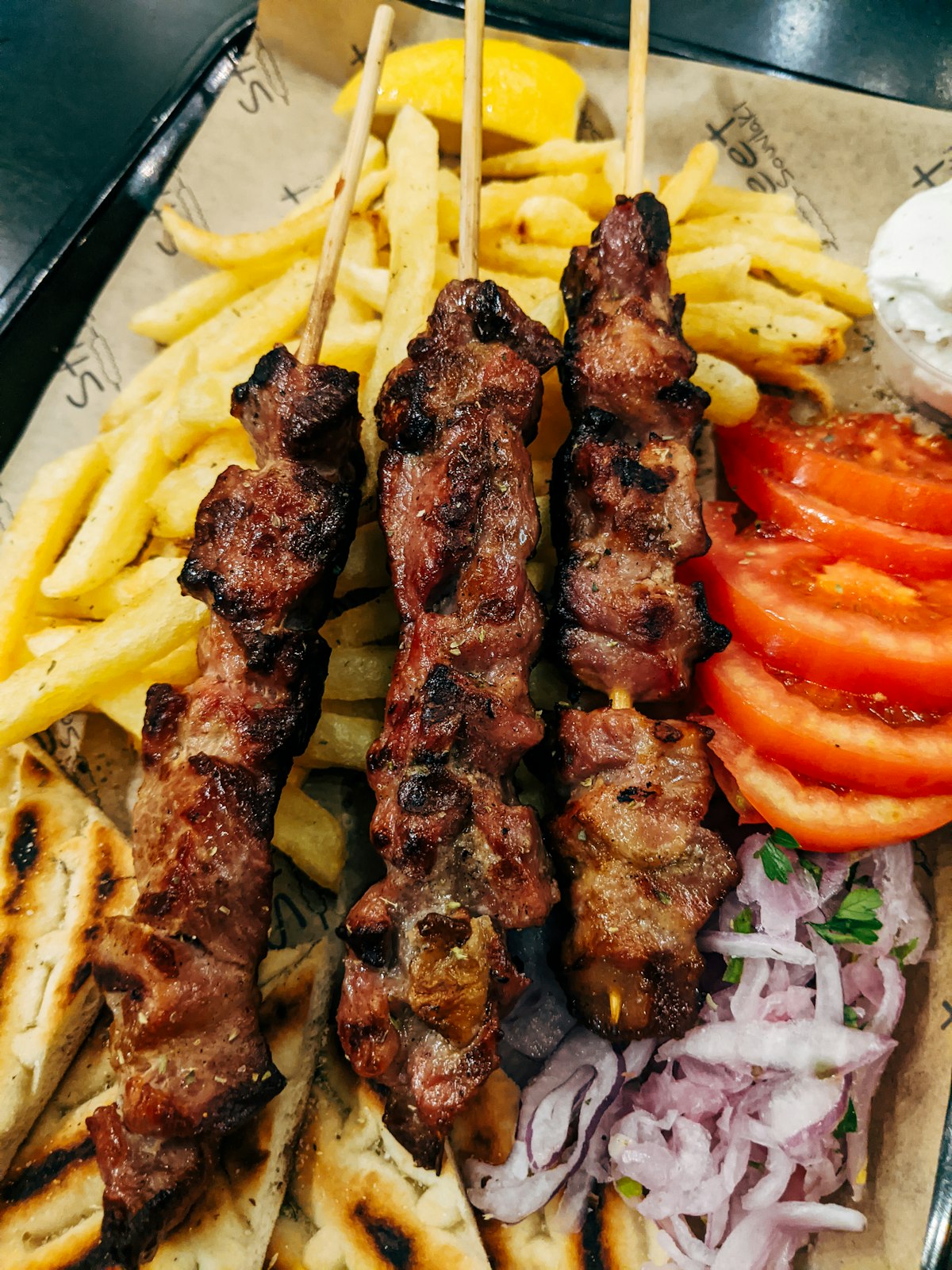
Original source illustration; may show a general food category.
The beef shank is a cylindrical cut of meat from the leg, typically containing a lot of connective tissue which becomes tender when cooked slowly. It is used in soups, broths, and braised dishes.
Country stock records are private to assigned managers.
Food-waste calculator
Estimate food you can keep out of the bin by using or sharing it.
Potential food saved1 kg
If you use or share 1 kg of Beef Shank instead of discarding it, that is 1 kg kept out of the bin.
This uses only your entered amount. It does not claim measured waste reduction or convert pieces and packs into invented weights.
Overview
The beef shank is a cylindrical cut of meat from the leg, typically containing a lot of connective tissue which becomes tender when cooked slowly. It is used in soups, broths, and braised dishes.
Origin & history
ancient uses: Beef has been a staple protein source for thousands of years.
region of origin: Various
country of origin: Global
historical timeline: year: -10000
event: Domestication of cattle.
cultural significance: Beef shank is an important ingredient in various culinary traditions worldwide.
domestication history: Cattle were domesticated over 10,000 years ago from wild aurochs.
traditional importance: It plays a significant role in hearty meals across cultures.
historical trade routes: Cattle trading routes have existed since ancient times.
Growing & production
climate: Temperate to tropical
rainfall: Varies widely based on region.
harvesting: Cows are typically harvested after reaching maturity.
temperature: Varies widely based on region and breed.
growing season: Year-round in many regions.
soil requirements: Diverse depending on the farming method.
organic cultivation: Available in some regions.
Beef shank is rich in protein and essential minerals like iron and zinc, which are important for muscle health and maintaining a robust immune system. It is also a source of collagen, supporting joint and skin health.
Health notes
major: Excellent source of complete protein, heme iron, zinc and vitamin B12.
Supports muscle maintenance, immune function and cognitive health.
Choose leaner cuts and moderate portions for the best long-term health profile.
evidence: Consensus among USDA, NIH and WHO reviews is that beef shank contributes positively to a balanced eating pattern when consumed in appropriate portions.
Storage
freezing: Freeze at -18°C or lower.
shelf life: 1-2 weeks refrigerated; 6-12 months frozen.
refrigeration: Keep below 4°C.
best practices: Keep in airtight containers.
Consume before the expiration date.
common mistakes: Not sealing properly before freezing.
storage methods: Refrigeration
Freezing
spoilage indicators: Off smell
Color change
Preparation
cutting: Cut against the grain for tenderness.
washing: Ensure to wash hands and tools after handling.
cleaning: Rinse under cold water.
buying tips: Look for bright color and firm texture.
cooking methods: Braised
Slow-cooked
Grilled
freshness indicators: Bright red color
Firm to touch
seasonal buying guide: Available year-round, but check local suppliers during off-peak seasons.
Practical tips
**Cleaning**
Rinse under cold water.
**Washing**
Ensure to wash hands and tools after handling.
**Cutting**
Cut against the grain for tenderness.
Recipes
name: Braised Beef Shank
tags: beef
braised
Italian
comfort food
tips: Serve with mashed potatoes.
method: Sear the shanks in a pot.
Add chopped vegetables and simmer.
Pour in broth and herbs.
Cover and cook slowly for 3 hours.
region: Lombardy
country: Italy
cuisine: Italian
servings: 4
cook time: 3 hours
image url: https://example.com/braised_beef_shank.jpg
prep time: 15 min
chef notes: This dish improves in flavor when made a day ahead.
difficulty: Medium
description: A hearty dish of braised beef shank, perfect for family dinners.
ingredients: 2 beef shanks
2 cups beef broth
1 onion
2 carrots
2 celery stalks
2 garlic cloves
Rosemary
Salt
Pepper
recipe source: Traditional Italian Recipe
Transportation
humidity: Controlled to prevent spoilage.
packaging: Vacuum-sealed or refrigerated packaging.
shelf life: 1-2 weeks refrigerated; up to 6-12 months frozen.
export handling: Regulated by health guidelines.
shipping methods: Refrigerated trucks and containers.
storage temperature: 0-4°C for fresh meat.
cold chain requirements: Mandatory to keep meat fresh.
Sustainability
climate resilience: Vulnerable, particularly in drought conditions.
land use m2 per kg: 30
sustainable farming: Practices vary; some ranchers follow sustainable methods.
environmental impact: Concerns regarding methane emissions from cattle.
organic certification: Available from certain suppliers.
regenerative agriculture: Practiced by select farms.
water footprint l per kg: 15000
carbon footprint kgco2e per kg: 20
More about this food
Beef shank is often used in traditional dishes such as Osso Buco in Italy.
This cut is usually more economical compared to other beef cuts.
Source references
url: https://example.com
type: journal
year: 2020
title: Meat Production and Health
authors: Dr. Smith, Dr. Jones
publisher: Food Science Journal
Kerala & United States locality guides
Regional guides; these links do not establish local product availability.