Imported source research draft. Nutrition, health claims and linked references have not been independently verified.
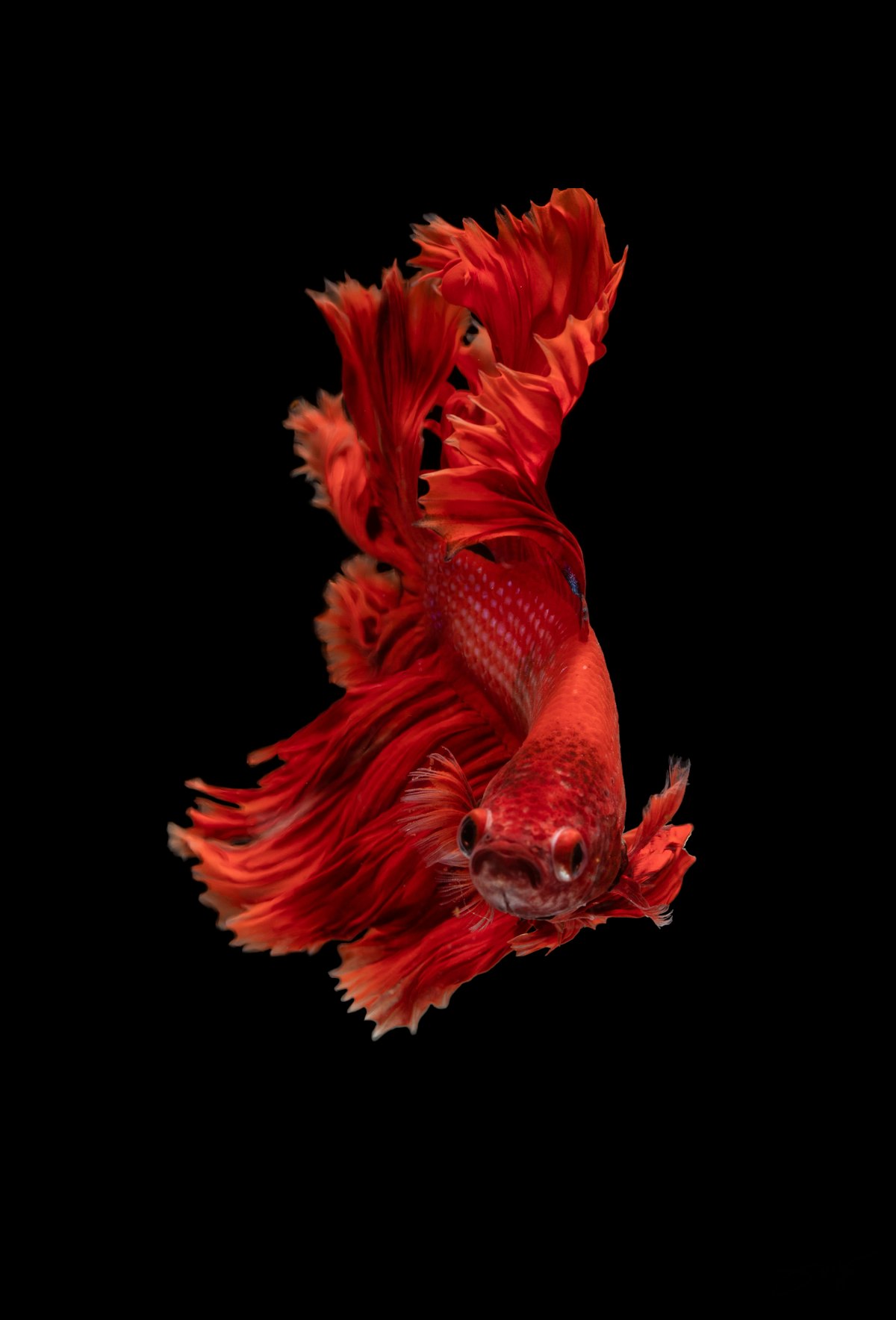
Original source illustration; may show a general food category.
Black grouper is a species of fish found in warmer waters of the Atlantic Ocean, known for its large, robust body and excellent taste. It is often sought after by anglers and is a favorite in many cuisines around the world.
Country stock records are private to assigned managers.
Food-waste calculator
Estimate food you can keep out of the bin by using or sharing it.
Potential food saved1 kg
If you use or share 1 kg of Black Grouper instead of discarding it, that is 1 kg kept out of the bin.
This uses only your entered amount. It does not claim measured waste reduction or convert pieces and packs into invented weights.
Overview
Black grouper is a species of fish found in warmer waters of the Atlantic Ocean, known for its large, robust body and excellent taste. It is often sought after by anglers and is a favorite in many cuisines around the world.
Origin & history
ancient uses: Fished by indigenous peoples for sustenance.
region of origin: Caribbean and Atlantic waters
country of origin: USA
historical timeline: year: 1800
event: First documented catches in the Caribbean.
cultural significance: Popular in Caribbean and Southern US cuisine.
domestication history: Not domesticated; wild-caught species.
traditional importance: Considered a delicacy, often featured in festivals.
historical trade routes: Historically traded along Caribbean routes.
Black grouper is rich in omega-3 fatty acids, providing benefits for heart health and cognitive function. It is also a good source of high-quality protein, essential for muscle repair and maintenance.
Health notes
major: Rich in long-chain omega-3 fatty acids (EPA and DHA) that support heart and brain health.
High-quality complete protein plus vitamin D, iodine and selenium.
Two servings of fatty fish per week is linked to reduced cardiovascular risk.
evidence: Consensus among USDA, NIH and WHO reviews is that black grouper contributes positively to a balanced eating pattern when consumed in appropriate portions.
Storage
freezing: Can be frozen for up to 6 months.
shelf life: Refrigerated for 2-3 days; frozen up to 6 months.
refrigeration: Best kept in the coldest part of the refrigerator.
best practices: Store on ice
Keep in airtight packaging
common mistakes: Not properly chilling after catch
Thawing and refreezing
storage methods: Refrigeration
Freezing
spoilage indicators: Off smell
Slimy texture
Preparation
cutting: Use a sharp knife to fillet the fish.
washing: Wash hands and surfaces after handling raw fish.
cleaning: Rinse under cold water and remove any scales.
buying tips: Look for bright eyes and fresh smell.
cooking methods: Grilling
Baking
Frying
freshness indicators: Firm flesh
Bright skin
seasonal buying guide: Best purchased during peak fishing seasons.
Practical tips
**Cleaning**
Rinse under cold water and remove any scales.
**Washing**
Wash hands and surfaces after handling raw fish.
**Cutting**
Use a sharp knife to fillet the fish.
Recipes
name: Black Grouper Tacos
tags: tacos
seafood
grilling
tips: Serve with lime wedges for extra flavor.
method: Season the black grouper with salt and pepper.
Grill the grouper fillets for about 5 minutes on each side.
Warm the corn tortillas on the grill.
Combine mango, red onion, lime juice, salt, and pepper for salsa.
Assemble tacos with grouper and mango salsa.
region: Yucatan
country: Mexico
cuisine: Mexican
servings: 4
cook time: 10 mins
image url: https://example.com/image_tacos.jpg
prep time: 15 mins
chef notes: Make sure to not overcook the fish.
difficulty: Easy
description: Fresh and zesty tacos filled with grilled black grouper, topped with a refreshing mango salsa.
ingredients: 4 fillets black grouper
8 corn tortillas
1 mango, diced
1/2 red onion, diced
1 lime, juiced
Salt and pepper to taste
recipe source: Food Network
suitable diets: Gluten-free
Dairy-free
Transportation
packaging: Vacuum sealed or packed in ice.
shelf life: 2-3 days refrigerated.
export handling: Strict regulations to ensure quality.
shipping methods: Air freight is common for overseas shipments.
storage temperature: 0-4°C (32-39°F)
cold chain requirements: Essential for maintaining freshness.
transportation constraints: High costs associated with live transport.
Sustainability
sustainable farming: Encouraging sustainable fishing practices.
environmental impact: Overfishing concerns lead to conservation efforts.
More about this food
Can weigh over 100 pounds.
Reaches maturity at around 10 years of age.
Can live up to 50 years in the wild.
Source references
url: https://www.noaa.gov
type: report
year: 2023
title: National Oceanic and Atmospheric Administration (NOAA)
authors: Various
publisher: NOAA
Kerala & United States locality guides
Regional guides; these links do not establish local product availability.