Imported source research draft. Nutrition, health claims and linked references have not been independently verified.
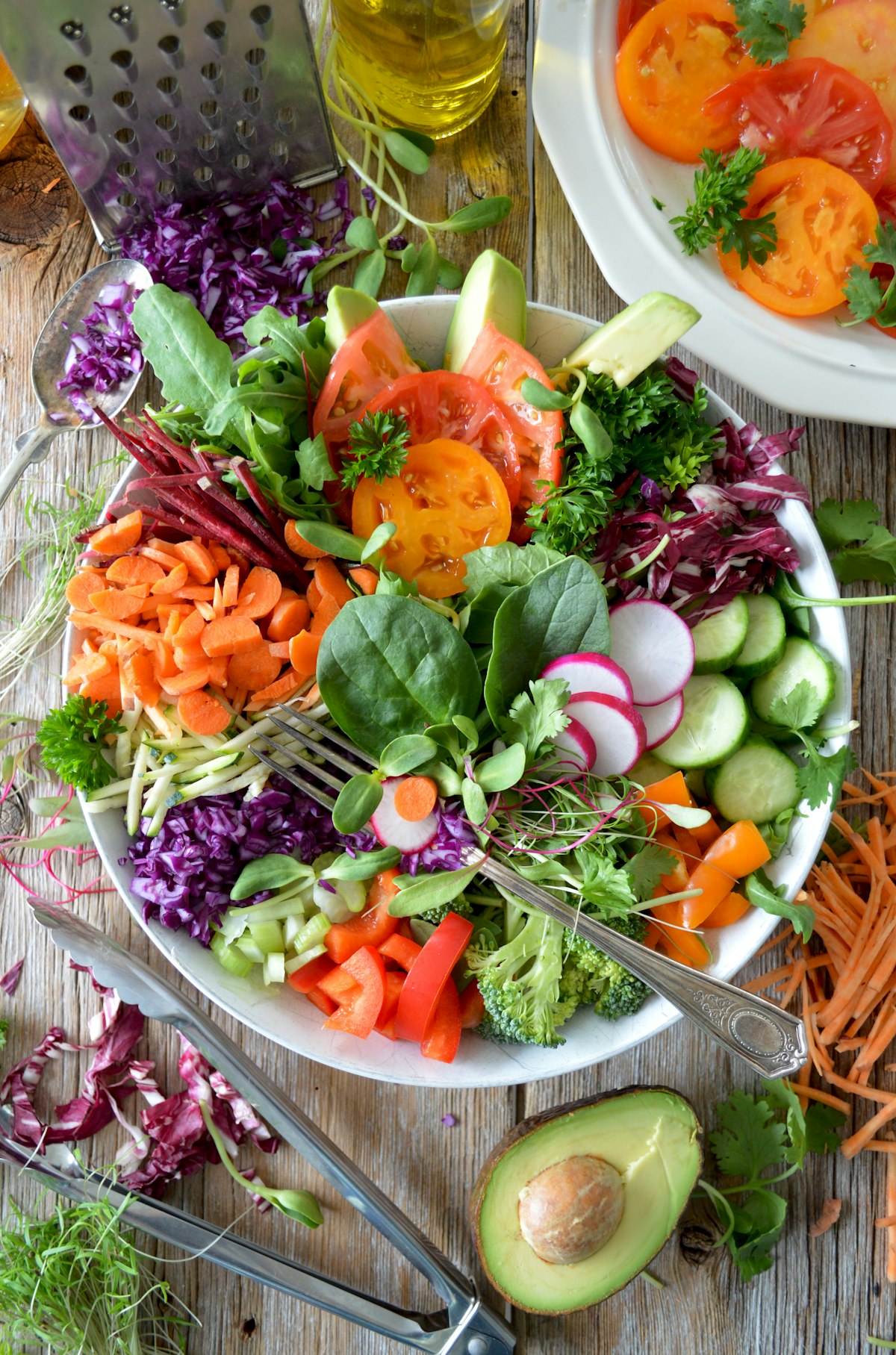
Original source illustration; may show a general food category.
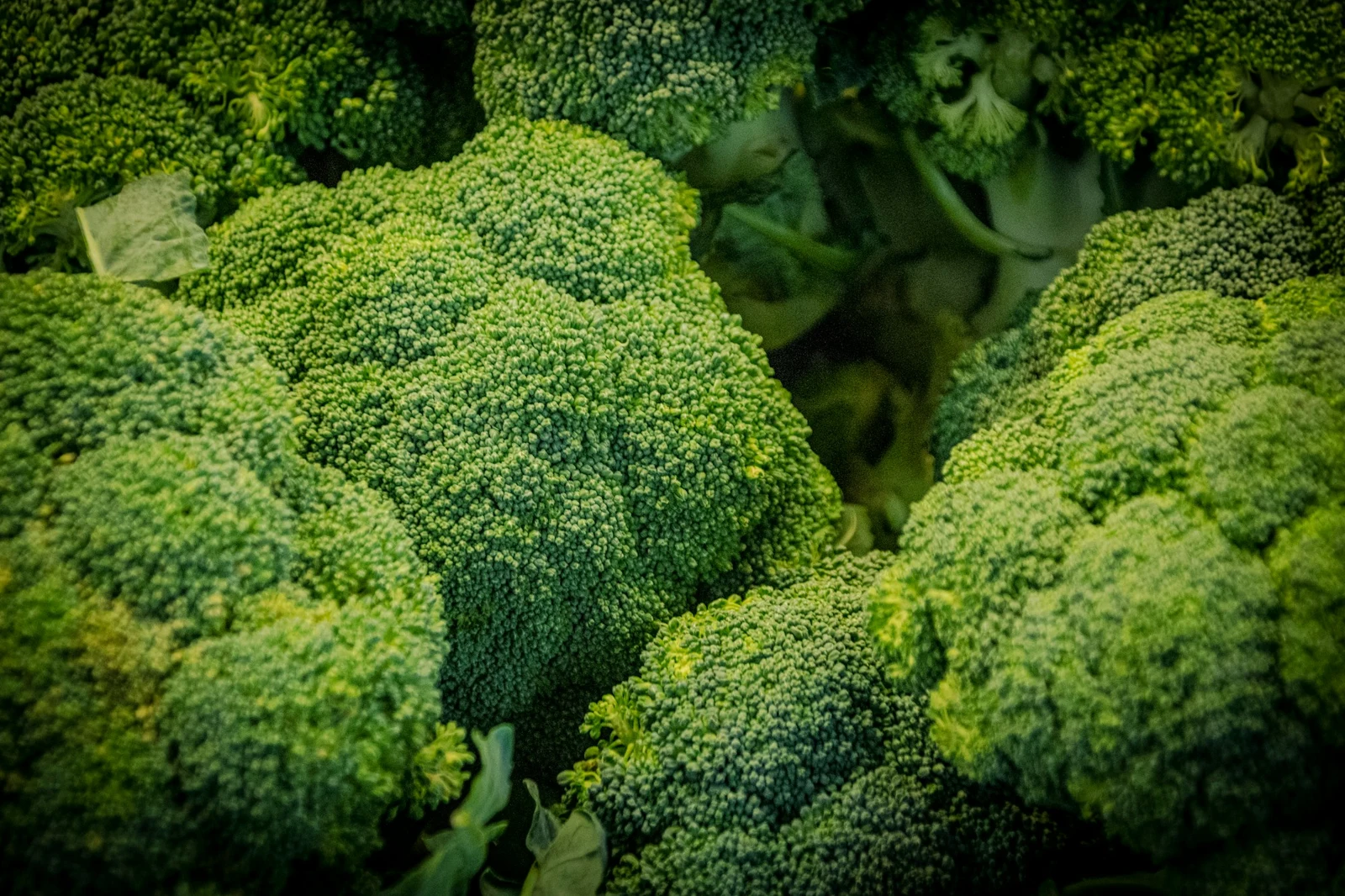
Broccoli is an edible green plant in the cabbage family. It is cultivated for its dense nutritious flower heads and stalks. It is a popular vegetable due to its health benefits and versatility in cooking.
Country stock records are private to assigned managers.
Food-waste calculator
Estimate food you can keep out of the bin by using or sharing it.
Potential food saved1 kg
If you use or share 1 kg of Broccoli instead of discarding it, that is 1 kg kept out of the bin.
This uses only your entered amount. It does not claim measured waste reduction or convert pieces and packs into invented weights.
Broccoli is an edible green plant in the cabbage family. It is cultivated for its dense nutritious flower heads and stalks. It is a popular vegetable due to its health benefits and versatility in cooking.
Origin & history
ancient uses: Used by the Romans for its health benefits.
region of origin: Mediterranean
country of origin: Italy
historical timeline: year: 2000
event: Cultivation and consumption spread across Europe.
cultural significance: A staple vegetable in various cuisines around the world.
domestication history: Domesticated from wild cabbage.
traditional importance: Symbol of health and nutrition.
historical trade routes: Brought to America by Italian immigrants.
Growing & production
climate: Cool temperate
diseases: Downy mildew
Black rot
rainfall: Moderate (20-30 inches per year)
harvesting: When heads are firm and green.
irrigation: Regular watering required, especially in dry periods
hydroponics: Viable option for year-round production.
temperature: Optimal growth at 15-20°C
growing season: Spring and Fall
harvest period: 2-3 months after planting.
yield per acre: About 6,000 to 8,000 pounds
growing regions: Europe
North America
Asia
pest management: Monitoring for aphids and caterpillars.
planting methods: Direct seeding or transplanting seedlings
vertical farming: Increasingly used in urban agriculture.
soil requirements: Well-drained, rich in organic matter
organic cultivation: Possible with crop rotation and organic pest control.
greenhouse production: Common for early harvesting in colder climates.
fertilizer requirements: High nitrogen content preferred
Broccoli is loaded with vitamins C, K, and various antioxidants, which contribute to its numerous health benefits. Research indicates that it may reduce the risk of chronic diseases and improve heart health.
Health notes
major: Rich in fibre, vitamins A and C, folate, potassium and plant polyphenols.
Low in calories and high in water content — supports weight management and hydration.
Regular vegetable intake is linked to lower rates of cardiovascular disease and type 2 diabetes.
evidence: Consensus among USDA, NIH and WHO reviews is that broccoli contributes positively to a balanced eating pattern when consumed in appropriate portions.
Storage
freezing: Blanching before freezing is recommended to preserve nutrients.
shelf life: Up to 2 weeks in the refrigerator.
refrigeration: Best stored at high humidity
best practices: Store unwashed in a cool place
Use within a week for best flavor
common mistakes: Washing before storing
Storing in plastic bags.
storage methods: Refrigeration
Freezing
spoilage indicators: Yellowing flowers
Soft stems
controlled atmosphere storage: Can extend storage life.
Preparation
cutting: Cut into florets for cooking.
peeling: No peeling required, but tough stems can be removed.
washing: Always wash before cutting.
cleaning: Rinse under cold water to remove dirt.
buying tips: Look for firm, bright green heads and fresh stems.
cooking methods: Steaming
Boiling
Stir-frying
Roasting
freshness indicators: Firmness, vibrant color.
seasonal buying guide: Best purchased in spring and fall.
Practical tips
**Cleaning**
Rinse under cold water to remove dirt.
**Washing**
Always wash before cutting.
**Peeling**
No peeling required, but tough stems can be removed.
**Cutting**
Cut into florets for cooking.
Recipes
name: Broccoli Cheddar Soup
tags: soup
comfort food
tips: For extra flavor, add a pinch of nutmeg.
method: Sauté onion and garlic in a pot until translucent.
Add broccoli and vegetable broth, then bring to a boil.
Simmer until broccoli is tender.
Blend until smooth, then stir in cheddar and cream.
region: Northeast
country: USA
cuisine: American
servings: 4
cook time: 30 minutes
image url: http://example.com/broccoli_cheddar_soup.jpg
nutrition: fat: 22
carbs: 25
protein: 10
calories: 320
prep time: 15 minutes
video url: http://example.com/video_tutorial.mp4
chef notes: Use fresh broccoli for the best flavor.
difficulty: Medium
description: A creamy soup made with fresh broccoli and cheddar cheese.
ingredients: 300g broccoli florets
1 onion, chopped
2 cloves garlic, minced
1L vegetable broth
200g cheddar cheese, shredded
Salt and pepper to taste
150ml cream
youtube url: http://youtube.com/video
recipe source: Family Recipe
suitable diets: Vegetarian
Transportation
humidity: 85-95% relative humidity
packaging: Moisture-retentive packaging to prevent wilting.
shelf life: 1-2 weeks when refrigerated
export handling: Careful handling to avoid damage.
shipping methods: Air freight for international shipments, refrigerated trucks domestically.
storage temperature: Optimal storage at 0-4°C
cold chain requirements: Necessary for maintaining freshness.
transportation constraints: Sensitive to exposure and temperature changes.
Sustainability
climate resilience: More resilient to climate changes than other crops.
land use m2 per kg: 2.5
sustainable farming: Encouraged through crop rotation and no-till farming.
environmental impact: Lower compared to many other vegetables.
organic certification: Available for many producers.
pollinator importance: Beneficial for supporting biodiversity.
regenerative agriculture: Promoted by some farmers to improve soil health.
water footprint l per kg: 560
carbon footprint kgco2e per kg: 0.3
More about this food
Broccoli is a member of the cruciferous vegetable family, which includes cabbage, kale, and Brussels sprouts.
It is high in Vitamin C and K, and is believed to have cancer-preventive properties.
Source references
url: http://nutritionalbenefits.com/broccoli
type: journal
year: 2022
title: Nutritional Benefits of Broccoli
authors: Dr. A. Smith
publisher: National Nutritional Institute
Kerala & United States locality guides
Regional guides; these links do not establish local product availability.

 Broccoli