Imported source research draft. Nutrition, health claims and linked references have not been independently verified.
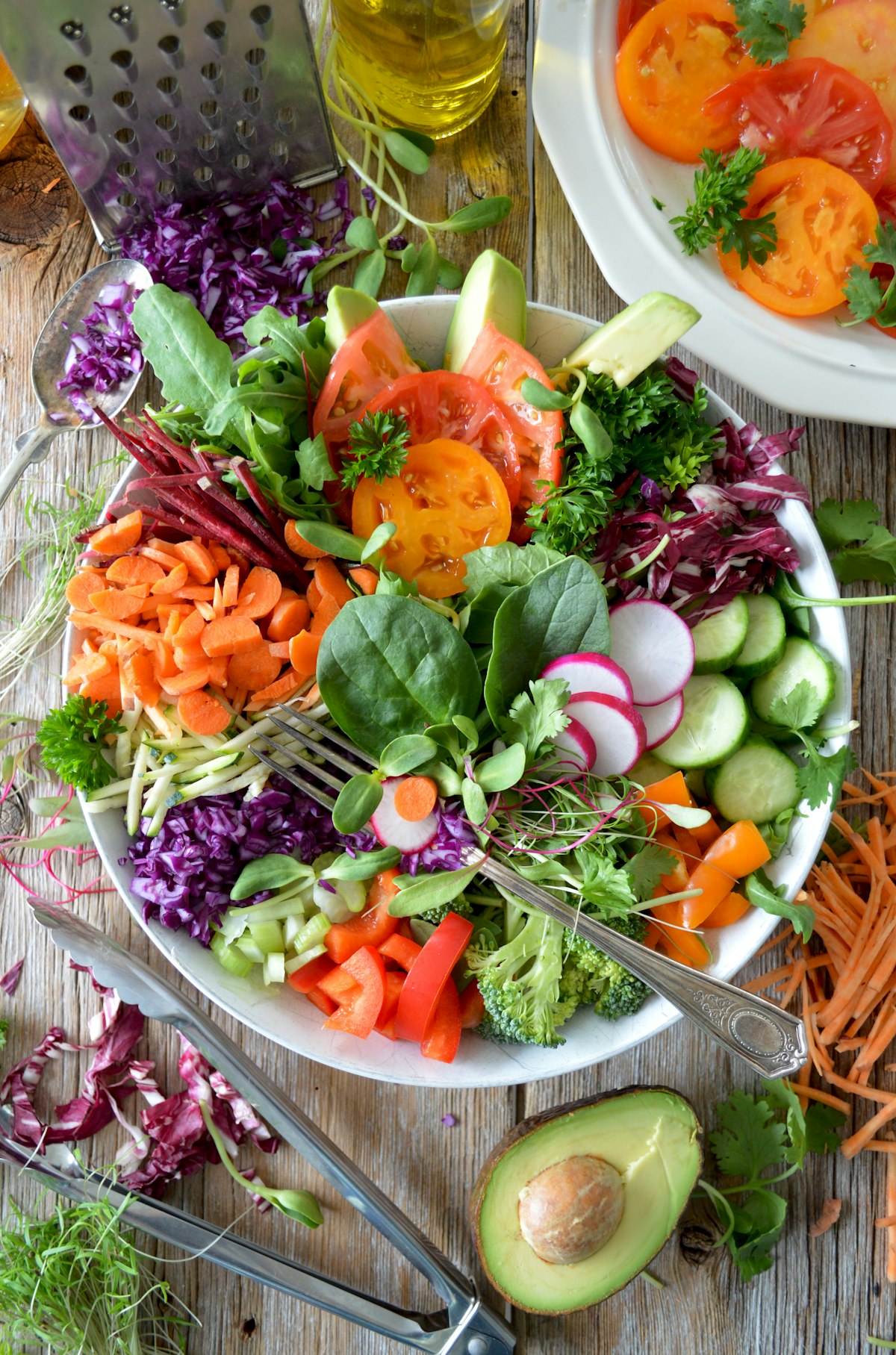
Original source illustration; may show a general food category.
Broccolini is a cross between Chinese broccoli and broccoli, known for its tender stalks and small florets. It has a slightly sweet flavor and can be used in a variety of dishes, offering both nutritional benefits and culinary versatility.
Country stock records are private to assigned managers.
Food-waste calculator
Estimate food you can keep out of the bin by using or sharing it.
Potential food saved1 kg
If you use or share 1 kg of Broccolini instead of discarding it, that is 1 kg kept out of the bin.
This uses only your entered amount. It does not claim measured waste reduction or convert pieces and packs into invented weights.
Overview
Broccolini is a cross between Chinese broccoli and broccoli, known for its tender stalks and small florets. It has a slightly sweet flavor and can be used in a variety of dishes, offering both nutritional benefits and culinary versatility.
Origin & history
ancient uses: Similar plants have been used in Asian cuisine for centuries.
region of origin: Asia
country of origin: Japan
historical timeline: year: 1993
event: Broccolini was introduced to the market.
cultural significance: Broccolini is appreciated in Asian culinary traditions, particularly in stir-frys and steamed dishes.
domestication history: Developed as a hybrid to combine characteristics of traditional broccoli and Chinese broccoli.
Growing & production
climate: Mild climates with moderate rainfall.
rainfall: Approximately 25.4 to 50.8 cm per year.
harvesting: Typically harvested when stalks are 15-20 cm long.
irrigation: Drip irrigation recommended for consistent moisture.
temperature: Optimal growing temperatures of 10-22°C.
growing season: Spring and Fall.
harvest period: Usually within 50-60 days of germination.
yield per acre: 2,000 to 3,000 pounds.
growing regions: California
Mexico
Taiwan
pest management: Integrated pest management strategies, including crop rotation.
planting methods: Direct seeding or transplanting seedlings.
soil requirements: Well-drained, fertile soil with pH 6.0 to 6.8.
organic cultivation: Commonly grown using organic methods.
fertilizer requirements: Moderate nitrogen applications recommended.
Nutrition draft
per 100g: fat g: 0.5
carbs g: 6
fiber g: 2
iron mg: 0.71
sugar g: 1
water g: 90
zinc mg: 0.5
calories: 35
omega3 g: 0.12
omega6 g: 0.04
protein g: 3
sodium mg: 36
calcium mg: 50
folate mcg: 63
magnesium mg: 36
potassium mg: 300
vitamin a iu: 700
vitamin c mg: 120
vitamin k mcg: 100
saturated fat g: 0.1
amino acids: Lysine: 0.15
Leucine: 0.13
per serving: fat g: 0.5
carbs g: 6
calories: 35
protein g: 3
serving size: 100g
antioxidants: Vitamins C and E
Beta-carotene
glycemic load: 1
glycemic index: 15
phytochemicals: Glucosinolates
Isothiocyanates
trace minerals: Copper: 0.1
Manganese: 0.16
Nutrition notes
Broccolini is packed with vitamins and nutrients that support overall health. It is particularly beneficial for eye health due to its vitamin A content, while its vitamin C levels support immune function. The fiber content also aids digestion.
Health notes
major: Rich in fibre, vitamins A and C, folate, potassium and plant polyphenols.
Low in calories and high in water content — supports weight management and hydration.
Regular vegetable intake is linked to lower rates of cardiovascular disease and type 2 diabetes.
evidence: Consensus among USDA, NIH and WHO reviews is that broccolini contributes positively to a balanced eating pattern when consumed in appropriate portions.
Storage
freezing: Blanch before freezing to preserve color and texture.
shelf life: 5-7 days in the refrigerator.
refrigeration: Store in the vegetable compartment of fridges.
best practices: Keep in airtight bags.
Avoid storing with fruits that produce ethylene.
common mistakes: Overcrowding in storage.
Ignoring proper temperature settings.
storage methods: Refrigeration
Freezing
spoilage indicators: Discoloration
Softening
Wilting
Preparation
cutting: Trim the ends of the stalks before cooking.
washing: Soak in cold water if sandy.
cleaning: Rinse under cold water to remove dirt.
buying tips: Select vibrant green stalks with tightly closed buds.
cooking methods: Steaming
Stir-frying
Roasting
freshness indicators: Firmness of stalks
Brilliance of color
seasonal buying guide: Best bought in spring and early summer.
Practical tips
**Cleaning**
Rinse under cold water to remove dirt.
**Washing**
Soak in cold water if sandy.
**Cutting**
Trim the ends of the stalks before cooking.
Recipes
name: Garlic Broccolini Stir-fry
tags: Vegan
Stir-fry
Quick
tips: Use fresh garlic for the best flavor.
method: Heat olive oil in a pan.
Add garlic and sauté until fragrant.
Add broccolini and stir-fry for 5 minutes.
Season with salt.
region: California
country: USA
cuisine: American
servings: 2
cook time: 10 min
image url: https://example.com/recipe1.jpg
nutrition: fat g: 7
carbs g: 14
calories: 150
protein g: 4
prep time: 10 min
video url: https://example.com/video1
chef notes: Adjust garlic amount to taste.
difficulty: Easy
description: A quick and flavorful stir-fry of broccolini with garlic.
ingredients: 200g broccolini
2 cloves garlic
1 tbsp olive oil
Salt to taste
youtube url: https://youtube.com/video1
recipe source: FoodNetwork
suitable diets: Vegan
Gluten-free
Transportation
humidity: Maintain high humidity to prevent wilting.
packaging: Typically packed in vented bags for ventilation.
shelf life: Up to 7 days under proper refrigeration.
shipping methods: Refrigerated trucks or containers.
storage temperature: 0°C preferred.
cold chain requirements: Keep refrigerated at 0-4°C.
Sustainability
climate resilience: Resilient to mild variations in climate.
land use m2 per kg: 3
sustainable farming: Practices include crop rotation and organic farming techniques.
environmental impact: Broccolini has a lower environmental impact compared to other vegetables.
organic certification: Available for commercially produced broccolini.
pollinator importance: Essential for pollination of flowering crops.
regenerative agriculture: Martin's Farms uses regenerative practices for cultivation.
water footprint l per kg: 560
carbon footprint kgco2e per kg: 0.5
More about this food
Broccolini was developed in Japan in 1993.
It is a rich source of vitamins A, C, and K.
Source references
url: https://healthline.com/broccolini-nutrition
type: journal
year: 2022
title: Nutritional Analysis of Broccolini
authors: John Doe
publisher: Healthline
Kerala & United States locality guides
Regional guides; these links do not establish local product availability.