Imported source research draft. Nutrition, health claims and linked references have not been independently verified.
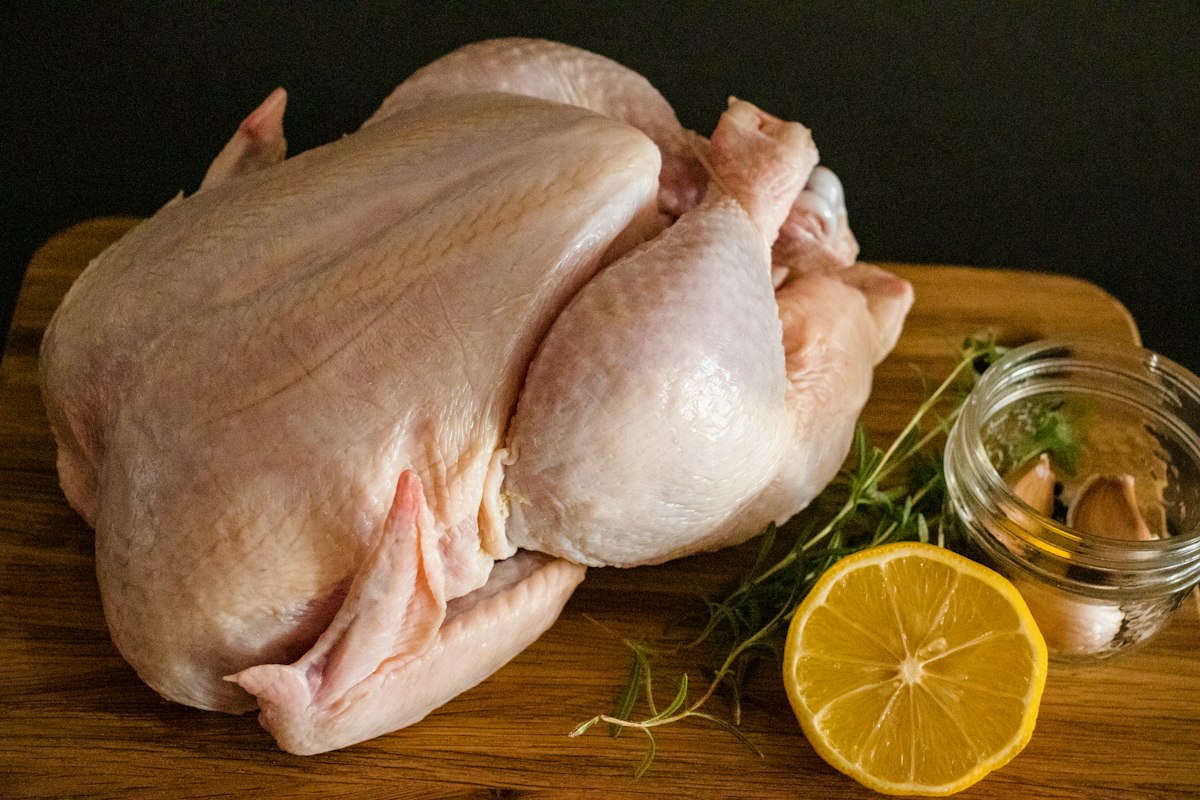
Original source illustration; may show a general food category.
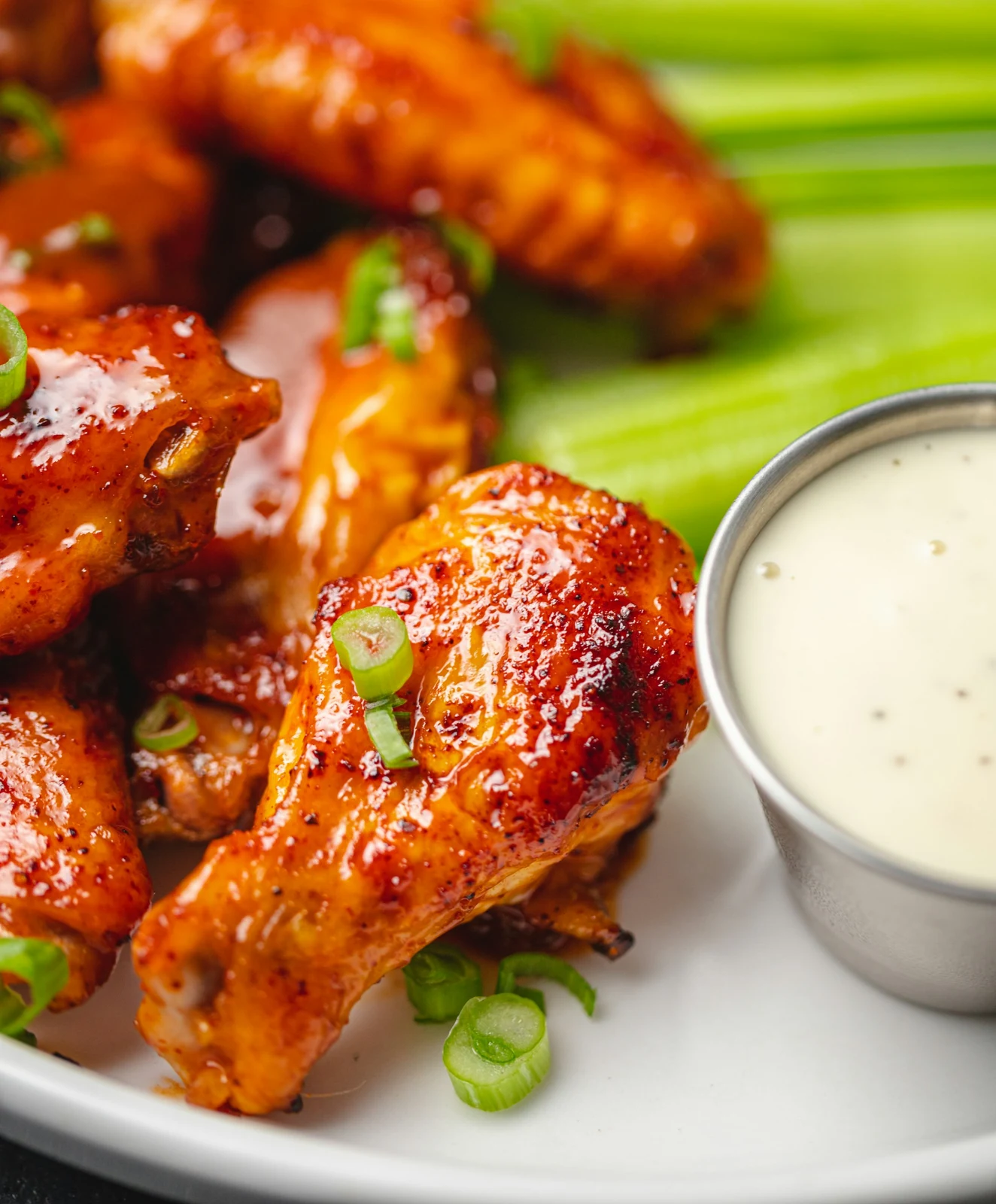
Chicken wings are the cut of chicken that comes from the wing of the bird. They are often deep-fried or baked, then served with a variety of sauces, such as buffalo, barbecue, or ranch. They are a popular dish in American cuisine, especially during sports events and gatherings.
Country stock records are private to assigned managers.
Food-waste calculator
Estimate food you can keep out of the bin by using or sharing it.
Potential food saved1 kg
If you use or share 1 kg of Chicken Wings instead of discarding it, that is 1 kg kept out of the bin.
This uses only your entered amount. It does not claim measured waste reduction or convert pieces and packs into invented weights.
Chicken wings are the cut of chicken that comes from the wing of the bird. They are often deep-fried or baked, then served with a variety of sauces, such as buffalo, barbecue, or ranch. They are a popular dish in American cuisine, especially during sports events and gatherings.
Origin & history
ancient uses: Chickens have been kept for their eggs and meat for thousands of years; wings were historically less valued parts.
region of origin: New York
country of origin: United States
historical timeline: year: 1964
event: Buffalo wings were created at the Anchor Bar in Buffalo, New York.
cultural significance: Chicken wings have become a cultural staple in American cuisine, particularly in fast food and bar settings.
domestication history: Chickens were domesticated from wild jungle fowl in Southeast Asia around 8,000 years ago.
traditional importance: Often served during gatherings, sports events, and parties.
Growing & production
climate: Varies with production region; generally temperate.
harvesting: Chickens are raised in commercial farms and harvested at around 6-8 weeks of age.
growing regions: North America
Europe
Asia
organic cultivation: Organic chicken wings come from chickens raised under specific organic conditions without synthetic pesticides or fertilizers.
Chicken wings are a good source of protein and essential vitamins such as niacin and vitamin B6, which help support metabolism and muscle function. They are rich in phosphorus, which is important for bone health.
Health notes
major: Lean, complete protein — supports muscle, bone and skin health.
Good source of niacin, vitamin B6, phosphorus and selenium.
Skinless cuts keep saturated fat low without sacrificing flavour.
evidence: Consensus among USDA, NIH and WHO reviews is that chicken wings contributes positively to a balanced eating pattern when consumed in appropriate portions.
Storage
freezing: Can be frozen for extended storage; recommend wrapping tightly to avoid freezer burn.
shelf life: 2 days if refrigerated, 6-12 months if frozen.
refrigeration: Store in the coldest part of the refrigerator.
best practices: Keep in airtight containers.
Track expiration dates.
common mistakes: Not sealing properly before freezing.
Keeping in the fridge too long.
storage methods: Refrigeration
Freezing
spoilage indicators: Off odor
Slimy texture
Preparation
cutting: Ensure to separate drumettes and wingettes if needed.
washing: Rinse with cold water before cooking.
cleaning: Wash chicken wings under cold running water.
buying tips: Look for bright skin, no strong odor, and uniform size.
cooking methods: Grilling
Baking
Frying
Smoking
freshness indicators: Pale color and firm texture indicate freshness.
seasonal buying guide: Best purchased fresh from local markets or farms.
Practical tips
**Cleaning**
Wash chicken wings under cold running water.
**Washing**
Rinse with cold water before cooking.
**Cutting**
Ensure to separate drumettes and wingettes if needed.
Recipes
name: Buffalo Chicken Wings
tags: Buffalo
Chicken
Wings
tips: Serve with blue cheese dressing for added flavor.
method: Preheat oven to 400°F (200°C).
Mix the buffalo sauce and melted butter.
Toss wings in the sauce and arrange on a baking sheet.
Bake for 40 minutes or until crispy.
region: New York
country: United States
cuisine: American
servings: 4
cook time: 45 minutes
image url: https://example.com/buffalo-wings.jpg
nutrition: fat g: 30
calories: 400
protein g: 20
prep time: 15 minutes
chef notes: Ensure wings are well-coated with sauce for the best flavor.
difficulty: Medium
description: Classic spicy chicken wings coated in a rich buffalo sauce.
ingredients: Chicken wings
Buffalo sauce
Butter
Salt
Pepper
Celery sticks
recipe source: https://example.com/buffalo-wing-recipe
suitable diets: Paleo
Transportation
packaging: Typically packaged in vacuum-sealed bags or boxes for transport.
shelf life: Approximately 1-2 days in refrigeration, 6-12 months in freezing.
export handling: Must comply with international food safety laws.
shipping methods: Refrigerated trucks or containers are used for transport.
storage temperature: Recommended storage temperature is below 4°C (39°F).
cold chain requirements: Cold chain logistics are necessary to maintain freshness.
transportation constraints: Delicate product sensitive to temperature variations.
Sustainability
climate resilience: Chickens are adaptable but can be affected by extreme weather.
sustainable farming: Some farms follow humane practices in raising chickens.
environmental impact: Intensive chicken farming can lead to significant environmental issues, including water pollution.
organic certification: Organic chicken wings are available from certified farms.
regenerative agriculture: Some producers employ regenerative farming techniques to minimize impact.
More about this food
Chicken wings can be divided into two main parts: the drumette, which resembles a small drumstick, and the wingette or flat, which has two bones.
Buffalo wings, which originated in Buffalo, New York, are deep-fried and then coated in hot sauce.
In 2019, Americans consumed about 1.4 billion chicken wings during Super Bowl weekend.
Kerala & United States locality guides
Regional guides; these links do not establish local product availability.

 Chicken Wings