Imported source research draft. Nutrition, health claims and linked references have not been independently verified.
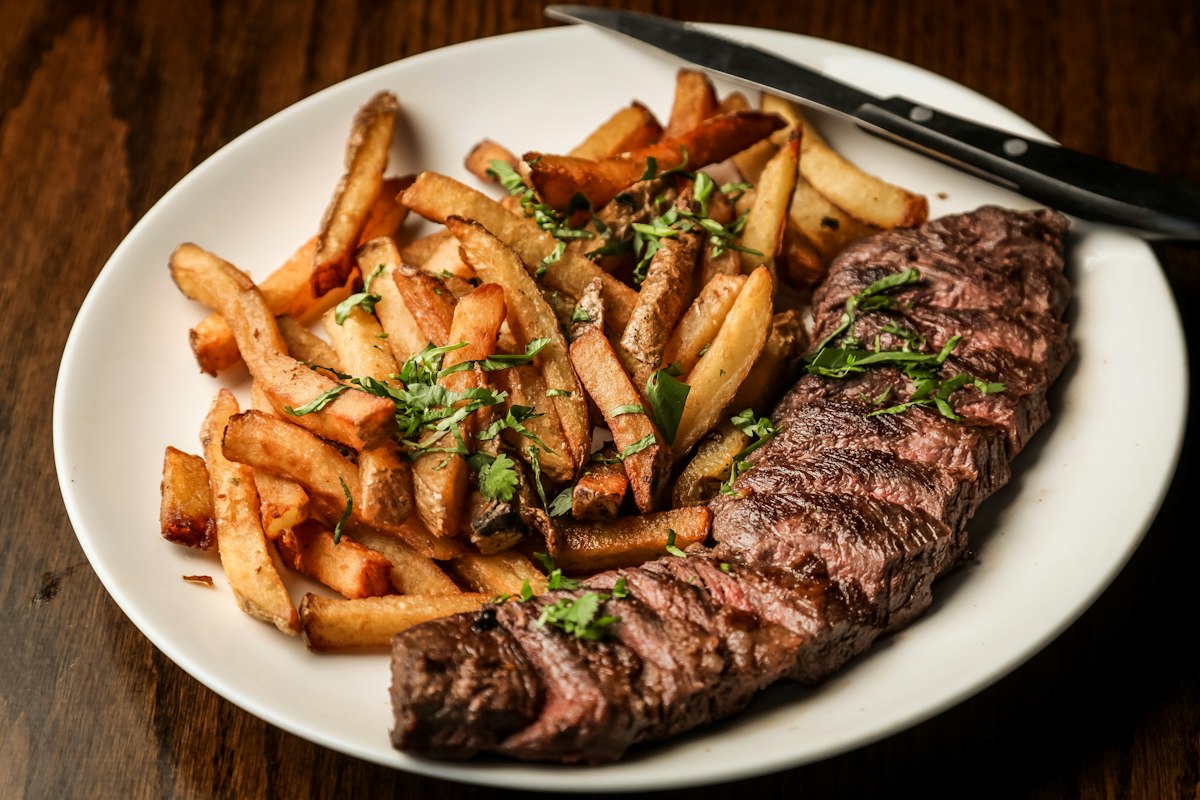
Original source illustration; may show a general food category.
Duck confit is a traditional French dish made from duck legs that are cured with salt, garlic, and herbs, then cooked slowly in duck fat. This method preserves the meat while rendering it tender and flavorful. The result is a rich, succulent duck that is typically served with sides such as potatoes.
Country stock records are private to assigned managers.
Food-waste calculator
Estimate food you can keep out of the bin by using or sharing it.
Potential food saved1 kg
If you use or share 1 kg of Duck Confit instead of discarding it, that is 1 kg kept out of the bin.
This uses only your entered amount. It does not claim measured waste reduction or convert pieces and packs into invented weights.
Overview
Duck confit is a traditional French dish made from duck legs that are cured with salt, garlic, and herbs, then cooked slowly in duck fat. This method preserves the meat while rendering it tender and flavorful. The result is a rich, succulent duck that is typically served with sides such as potatoes.
Origin & history
ancient uses: Preservation method for meat.
region of origin: Southwestern France
country of origin: France
historical timeline: year: 1770
event: First recorded recipes for duck confit appear in French cookbooks.
cultural significance: A staple in French cuisine and often served during special occasions.
domestication history: Duck was domesticated during the Neolithic period.
traditional importance: Believed to be a dish for celebrations and family gatherings.
historical trade routes: Commonly traded along routes from rural France to major urban centers.
Growing & production
climate: Temperate
rainfall: Not applicable.
harvesting: Not applicable.
irrigation: Not applicable.
hydroponics: Not applicable.
temperature: Not applicable.
growing season: Not applicable.
pest management: Not applicable.
planting methods: Not applicable.
vertical farming: Not applicable.
soil requirements: Not applicable.
organic cultivation: Not applicable.
greenhouse production: Not applicable.
fertilizer requirements: Not applicable.
Nutrition draft
per 100g: fat g: 27
carbs g: 0
fiber g: 0
iron mg: 2
sugar g: 0
water g: 60
zinc mg: 3
calories: 337
protein g: 25
sodium mg: 700
calcium mg: 5
magnesium mg: 20
potassium mg: 250
saturated fat g: 10
per serving: fat g: 27
carbs g: 0
calories: 337
protein g: 25
serving size: 100 g
Nutrition notes
Duck confit, while high in fats, offers a rich source of protein and unique flavors. It's typically enjoyed in moderation as part of a balanced diet. The dual presence of fat and protein can make it satisfying for many consumers. However, those with specific dietary restrictions should consult a healthcare provider before consumption.
Health notes
major: Lean, complete protein — supports muscle, bone and skin health.
Good source of niacin, vitamin B6, phosphorus and selenium.
Skinless cuts keep saturated fat low without sacrificing flavour.
evidence: Consensus among USDA, NIH and WHO reviews is that duck confit contributes positively to a balanced eating pattern when consumed in appropriate portions.
Storage
freezing: Can be frozen for long-term storage.
shelf life: Up to 6 months when frozen.
refrigeration: To be kept at 4°C or lower.
best practices: Use properly sealed containers.
Store in the coldest part of the fridge.
common mistakes: Not sealing tightly before storage.
Storing at improper temperatures.
storage methods: Refrigeration
Freezing
spoilage indicators: Off smell
Discoloration
Preparation
washing: Rinse any additional ingredients.
cleaning: Avoid washing the duck legs before curing.
buying tips: Select quality duck legs for best flavor.
cooking methods: Slow-cooking
Frying
freshness indicators: Bright color, firm texture
seasonal buying guide: Best enjoyed in colder months.
Practical tips
**Cleaning**
Avoid washing the duck legs before curing.
**Washing**
Rinse any additional ingredients.
Recipes
name: Classic Duck Confit
tags: French
Duck
Confit
tips: Serve with crispy potatoes.
method: Cure duck legs with salt and spices for 24 hours.
Rinse and pack in duck fat.
Cook slowly at low temperature until tender.
region: Southwest
country: France
cuisine: French
servings: 4
cook time: 4 hours
nutrition: fat: 27
protein: 25
calories: 337
prep time: 30 minutes
chef notes: Cooking in duck fat enhances flavor.
difficulty: Medium
description: Tender duck legs slowly cooked in their own fat.
ingredients: Duck legs
Salt
Garlic
Thyme
Duck fat
recipe source: Traditional French Recipes
suitable diets: High-fat diets
Transportation
humidity: Low humidity recommended during storage.
packaging: Vacuum sealed or in jars.
shelf life: Several months if properly sealed and refrigerated.
export handling: Temperature-controlled shipping.
shipping methods: Air and refrigerated trucks.
storage temperature: 4°C (39°F) or lower.
cold chain requirements: Required for prepared products.
transportation constraints: Need for temperature control during transport.
Sustainability
climate resilience: May face challenges from climate change.
land use m2 per kg: 3
sustainable farming: Practices vary, with some farms promoting free-range methods.
environmental impact: Duck farming can have significant effects on local ecosystems.
water footprint l per kg: 2000
carbon footprint kgco2e per kg: 5
More about this food
Duck confit originated in the southwest of France.
It was traditionally a method of preserving the meat before refrigeration.
Source references
type: report
title: Duck Confit - History and Techniques
authors: Chef John Doe
publisher: Culinary Institute of America
Kerala & United States locality guides
Regional guides; these links do not establish local product availability.