France · Medium
Duck Confit
A classic dish made by slow cooking duck legs in their own fat.
Prep m · Cook m · Serves 4
Duck legs are a delicious cut of poultry that are often slow-cooked for tenderness. They hold a higher fat content compared to chicken, providing unique flavors and juiciness that enhances many dishes.
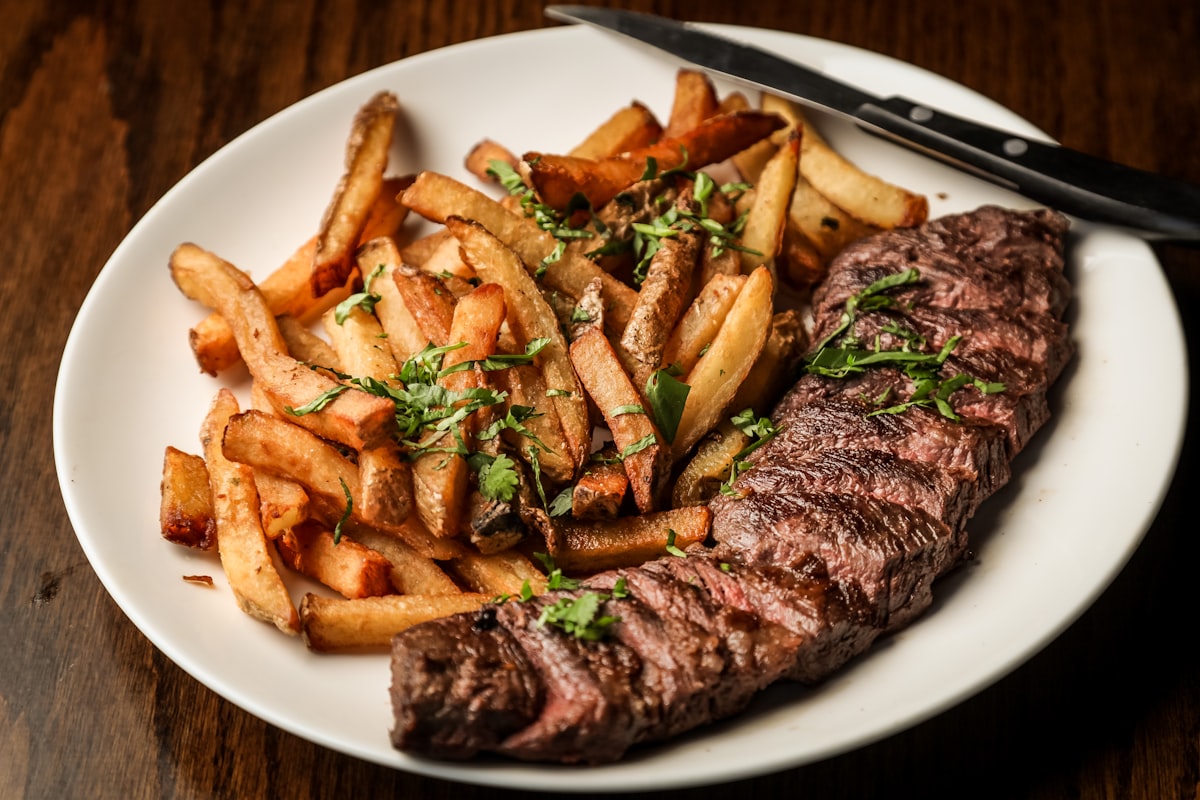
A classic dish made by slow cooking duck legs in their own fat.
Yes — Duck Legs is generally considered a nutritious addition to a balanced diet when consumed in appropriate portions.
Follow the storage guidance above. Most fresh varieties benefit from refrigeration; shelf-stable versions keep in a cool, dry cupboard.
Many forms of Duck Legs freeze well. Portion into freezer bags, label with the date, and use within 3 months for best flavor.
Consult the recipe suggestions above — Duck Legs usually pairs beautifully with fresh herbs, citrus, or a matching regional cuisine.
Duck Legs is produced or sourced in a variety of regions worldwide. Local farmers' markets are often the freshest option.
We use essential cookies to keep you signed in and secure. With your permission, we may also use analytics + functional cookies to improve the site. You can change your mind any time.


Install FoodPulse
Add FoodPulse to your home screen for one-tap access to Deals, Scan and Pantry — even offline.