Imported source research draft. Nutrition, health claims and linked references have not been independently verified.
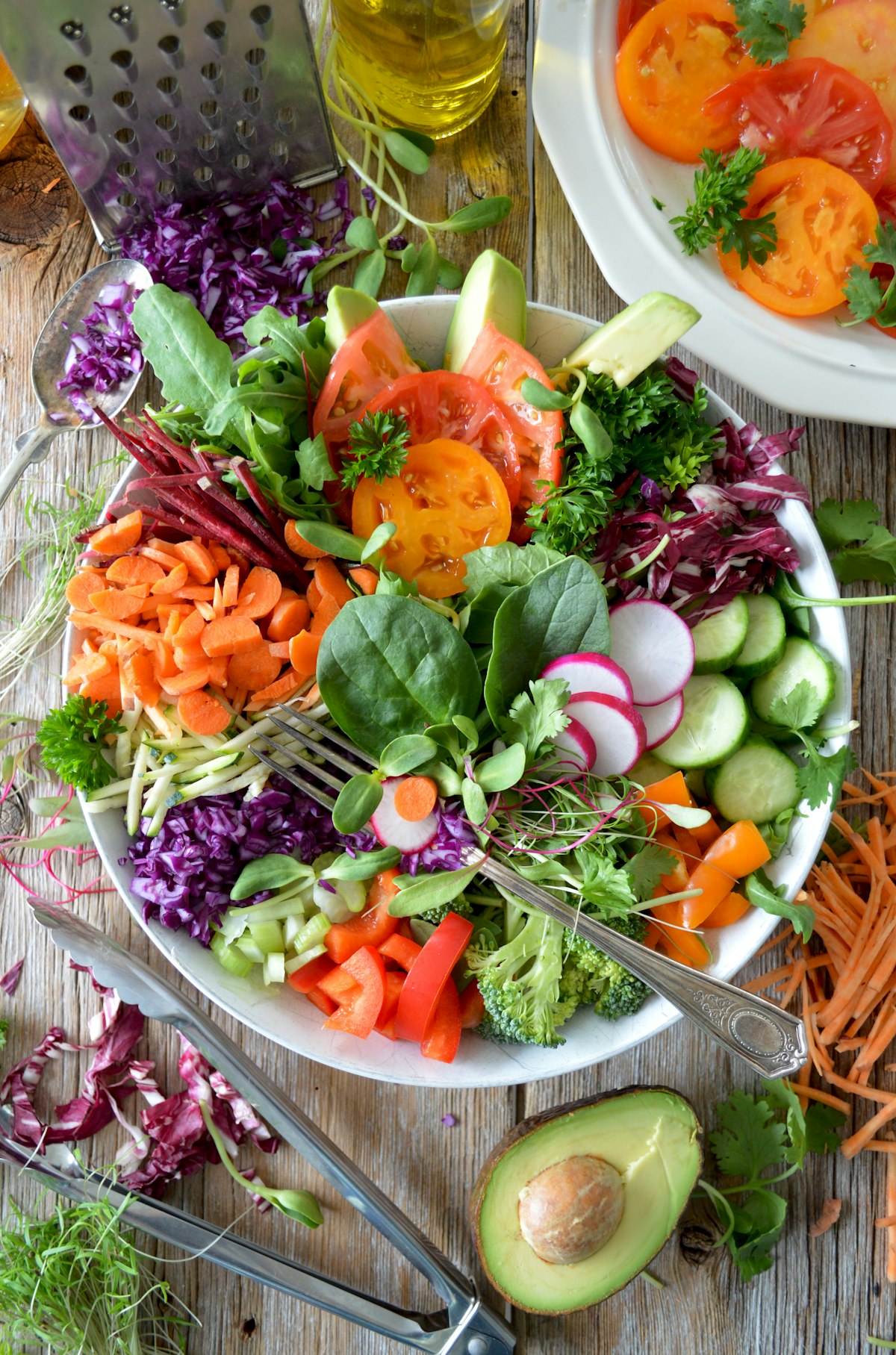
Original source illustration; may show a general food category.
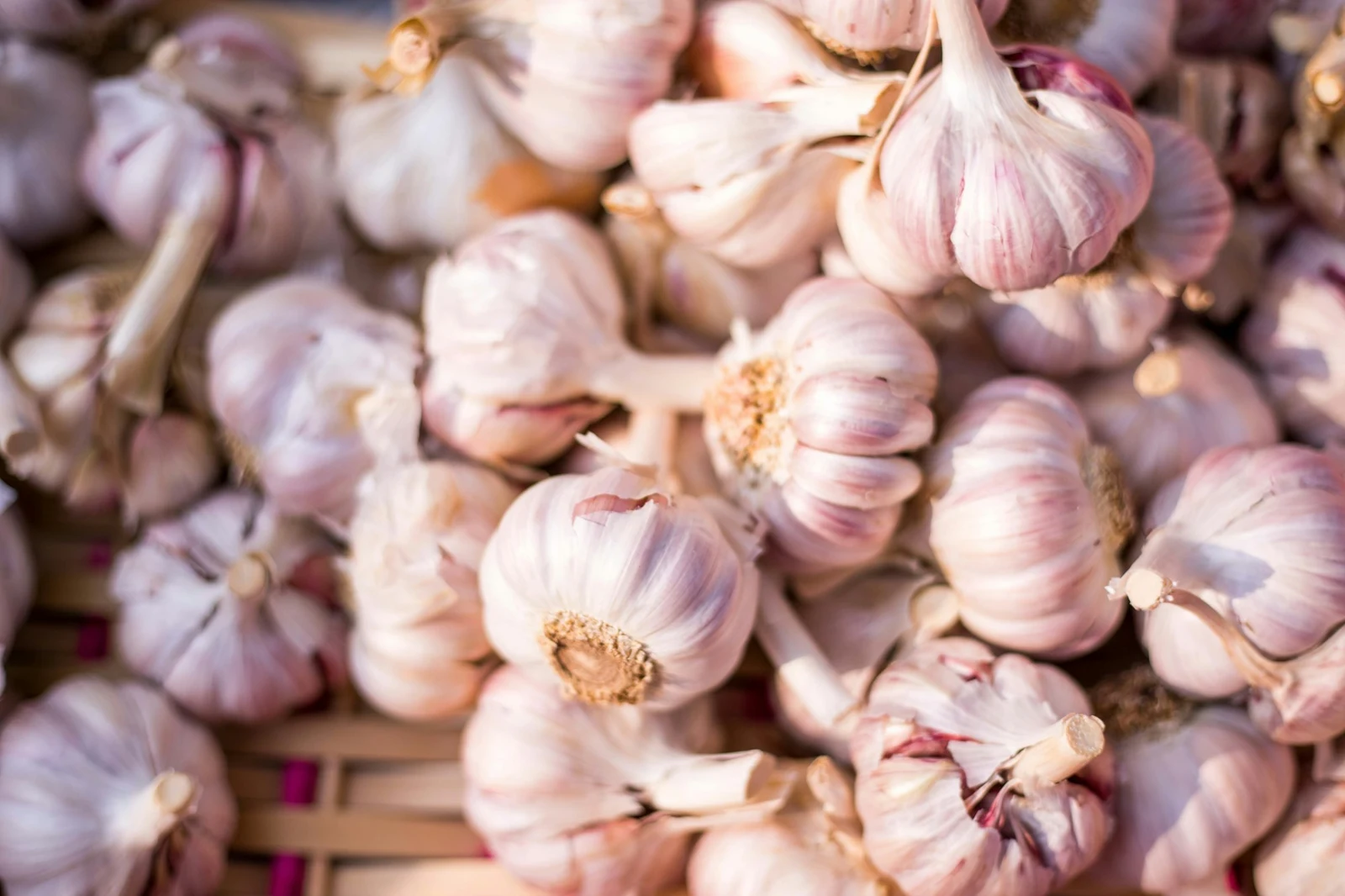
Garlic (Allium sativum) is a species in the onion family, Amaryllidaceae. It is native to Central Asia and has a long history of human consumption and use. The plant produces a bulb, which is made up of numerous cloves, and is used as a seasoning and medicinal herb.
Country stock records are private to assigned managers.
Food-waste calculator
Estimate food you can keep out of the bin by using or sharing it.
Potential food saved1 kg
If you use or share 1 kg of Garlic instead of discarding it, that is 1 kg kept out of the bin.
This uses only your entered amount. It does not claim measured waste reduction or convert pieces and packs into invented weights.
Garlic (Allium sativum) is a species in the onion family, Amaryllidaceae. It is native to Central Asia and has a long history of human consumption and use. The plant produces a bulb, which is made up of numerous cloves, and is used as a seasoning and medicinal herb.
Origin & history
ancient uses: Used in ancient cultures for its flavor as well as for medicinal properties.
region of origin: Tian Shan mountains
country of origin: Central Asia
historical timeline: year: 3000
event: Garlic is used in ancient Egyptian society.
year: 400
event: Garlic is mentioned in ancient Greek texts as a medicinal herb.
cultural significance: Garlic is considered a protective agent in many cultures and is commonly used in traditional healings.
domestication history: About 6,000 years ago, garlic was domesticated from wild species.
traditional importance: Used in various cultural cuisines around the world and holds significance in culinary traditions.
historical trade routes: Historically traded along the Silk Road.
Growing & production
climate: Temperate climate
diseases: White rot
Downy mildew
rainfall: Moderate, approximately 5-8 inches during the growing season.
harvesting: Harvest when the lower leaves begin to yellow.
irrigation: Regular watering is essential, especially during dry periods.
temperature: Optimal growth at 15-20°C.
growing season: Spring to early summer.
harvest period: Usually harvested in late summer.
yield per acre: 5-10 tons
growing regions: Asia
Europe
North America
pest management: Crop rotation and intercropping can reduce pest issues.
planting methods: Bulb planting cloves in well-prepared soil.
soil requirements: Well-drained, loamy soil with plenty of organic matter.
organic cultivation: Commonly grown organically with natural pest deterrents.
fertilizer requirements: Rich in nitrogen during the growing phase.
Garlic is known for its potential health benefits, including reducing the risk of heart disease, lowering blood pressure, and possessing anti-inflammatory properties. It may also boost immune function and provide antioxidant effects.
Health notes
major: Rich in fibre, vitamins A and C, folate, potassium and plant polyphenols.
Low in calories and high in water content — supports weight management and hydration.
Regular vegetable intake is linked to lower rates of cardiovascular disease and type 2 diabetes.
evidence: Consensus among USDA, NIH and WHO reviews is that garlic contributes positively to a balanced eating pattern when consumed in appropriate portions.
Storage
freezing: Chopped or minced garlic can be frozen.
shelf life: 3-6 months in ideal conditions.
dry storage: Can be stored dry in mesh bags.
refrigeration: Not recommended for whole bulbs; can store peeled garlic.
best practices: Keep in a ventilated area
Avoid moisture
common mistakes: Storing in plastic bags
Storing in light
storage methods: Cool, dark place
Refrigeration
Dry storage
spoilage indicators: Sprouting
Softness
Discoloration
Preparation
cutting: Chop or mince depending on recipe requirements.
peeling: Use the flat side of a knife to crush to easily remove the skin.
washing: Wash only if visibly dirty.
cleaning: Rinse under cold water to remove dirt.
buying tips: Look for firm, unblemished cloves.
Choose heads with tight paper-like skins.
cooking methods: Sautéing
Roasting
Grilling
freshness indicators: Firm to touch
No sprouting
No soft spots
seasonal buying guide: Best purchased in late summer to fall when fresh.
Practical tips
**Cleaning**
Rinse under cold water to remove dirt.
**Washing**
Wash only if visibly dirty.
**Peeling**
Use the flat side of a knife to crush to easily remove the skin.
**Cutting**
Chop or mince depending on recipe requirements.
Recipes
name: Garlic Bread
tags: sides
easy
garlic
tips: Use fresh baguette for best results.
method: Preheat oven to 200°C.
Mix softened butter with minced garlic and parsley.
Spread on bread and toast for 10-15 minutes.
region: Tuscany
country: Italy
cuisine: Italian
servings: 4
cook time: 15 mins
image url: https://example.com/garlic_bread.jpg
nutrition: fat g: 8
calories: 150
protein g: 2
prep time: 10 mins
chef notes: Prepare the butter mixture in advance for quicker assembly.
difficulty: Easy
description: A classic Italian side dish of toasted bread topped with garlic and herbs.
ingredients: 1 loaf of bread
2 cloves garlic
100g unsalted butter
Parsley
Salt
recipe source: Italian Kitchen
suitable diets: Vegetarian
Transportation
humidity: Low humidity preferred to avoid rot.
packaging: Usually packed in burlap or crates.
shelf life: Garlic can last 3-6 months if stored properly.
export handling: Generally requires fumigation before export.
shipping methods: Sea and land transport are common.
storage temperature: Cool, dry places, ideally around 4-10°C.
cold chain requirements: No strict cold chain required.
Sustainability
climate resilience: Sensitive to extreme weather.
sustainable farming: Commonly practiced by organic farms.
environmental impact: Minimal if grown organically.
organic certification: Available for many garlic products.
pollinator importance: Low, but still beneficial for garden ecosystems.
More about this food
Garlic has been used for over 5,000 years.
It was used by ancient Egyptians as currency.
Garlic is known to have numerous health benefits including anti-inflammatory and antioxidant properties.
Source references
url: https://example.com/study
type: journal
year: 2023
title: Health Benefits of Garlic
authors: Doe, J., Smith, A.
publisher: Journal of Medicinal Food
Kerala & United States locality guides
Regional guides; these links do not establish local product availability.

 Garlic