Imported source research draft. Nutrition, health claims and linked references have not been independently verified.
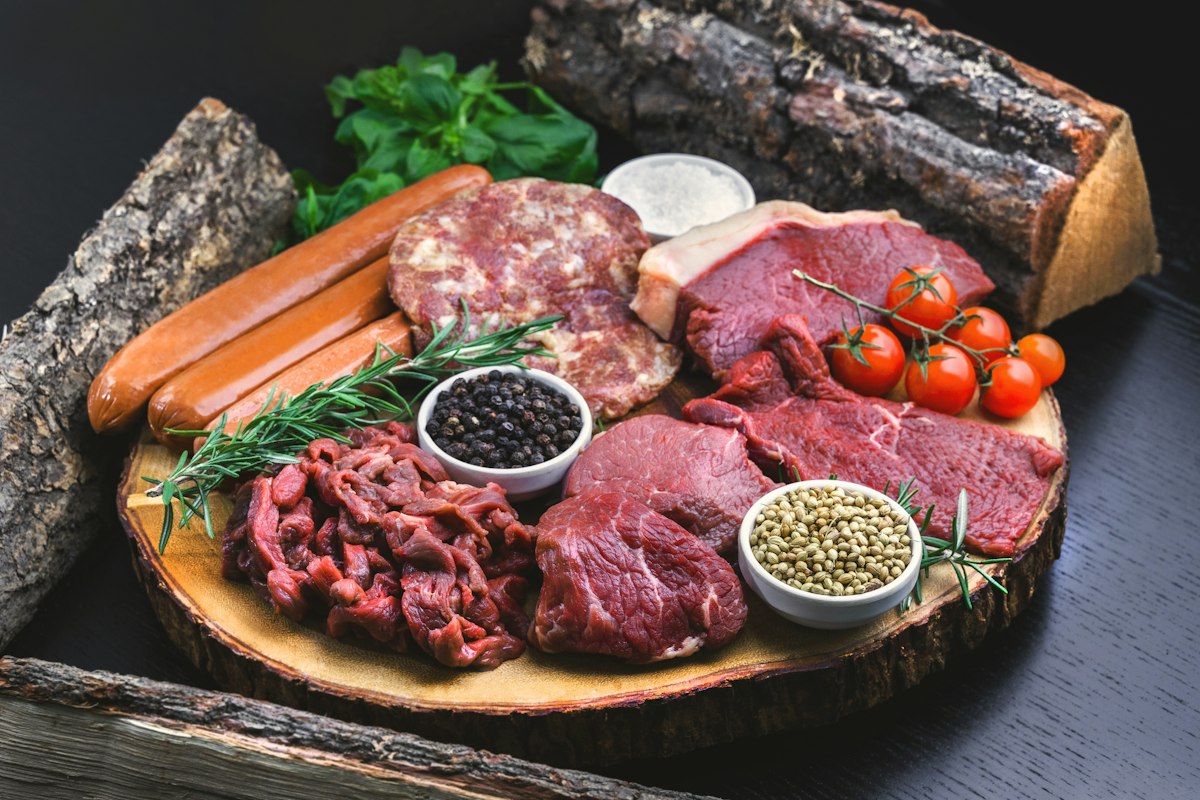
Original source illustration; may show a general food category.
Ground Beef 80/20 is a popular choice in cooking due to its balanced fat content, which provides flavor and moisture. It is widely used in various dishes including burgers, meatballs, and sauces.
Country stock records are private to assigned managers.
Food-waste calculator
Estimate food you can keep out of the bin by using or sharing it.
Potential food saved1 kg
If you use or share 1 kg of Ground Beef 80/20 instead of discarding it, that is 1 kg kept out of the bin.
This uses only your entered amount. It does not claim measured waste reduction or convert pieces and packs into invented weights.
Overview
Ground Beef 80/20 is a popular choice in cooking due to its balanced fat content, which provides flavor and moisture. It is widely used in various dishes including burgers, meatballs, and sauces.
Origin & history
ancient uses: Historically, ground meat was used in various traditional dishes to ensure the meat would not spoil.
region of origin: North America
country of origin: United States
historical timeline: year: 1900
event: Commercial processing methods began to standardize ground beef.
cultural significance: Ground beef is a staple in American cuisine, particularly in fast food and home-cooked meals.
domestication history: Cattle were domesticated from wild aurochs around 10,500 years ago.
traditional importance: Found in many cultures' traditional dishes such as Shepherd's Pie and Meatloaf.
Growing & production
climate: Temperate to warm climate preferred for cattle rearing.
rainfall: Moderate rainfall is beneficial for pasture growth.
harvesting: Harvesting involves systematic culling and processing of cattle.
irrigation: Necessary in drier regions for proper grass growth.
temperature: Optimal temperatures range from 10 to 26 °C (50 to 78 °F).
growing season: Year-round depending on the region.
harvest period: Ongoing, with cattle harvested at maturity.
yield per acre: Varies widely based on management and input efficiencies.
growing regions: North America
South America
Australia
Europe
pest management: Integrated pest management techniques are used.
planting methods: Pasture seeding with appropriate fodder crops.
soil requirements: Well-drained land with sufficient pasture for grazing.
organic cultivation: Organic beef is available, raised without synthetic hormones or antibiotics.
fertilizer requirements: Organic manures and natural fertilizers are preferable.
Ground beef is a rich source of high-quality protein, iron, and essential vitamins. However, it should be consumed in moderation due to its saturated fat content, which can impact heart health. Ensuring leaner cuts and balancing with a diet rich in vegetables and whole grains is recommended.
Health notes
major: Excellent source of complete protein, heme iron, zinc and vitamin B12.
Supports muscle maintenance, immune function and cognitive health.
Choose leaner cuts and moderate portions for the best long-term health profile.
evidence: Consensus among USDA, NIH and WHO reviews is that ground beef 80/20 contributes positively to a balanced eating pattern when consumed in appropriate portions.
Storage
freezing: Store under -18 °C (0 °F) for longest life.
shelf life: 2 days if refrigerated; up to 6 months if frozen.
refrigeration: Maintain at 0-4 °C (32-39 °F).
best practices: Thaw in refrigerator, do not refreeze after thawing.
Wrap tightly before freezing.
common mistakes: Leaving out at room temperature too long.
Not properly sealing for freezing.
storage methods: Refrigeration
Freezing
spoilage indicators: Off smell
Change in color
Slimy texture
Preparation
cutting: Use separate cutting boards for meats and other food.
washing: Do not wash raw ground beef; it can spread bacteria.
cleaning: Ensure surfaces and utensils are clean prior to preparation.
buying tips: Look for bright red color and avoid any gray-brown appearance.
cooking methods: Grilling
Baking
Pan-frying
freshness indicators: Check sell-by dates; observe texture and smell.
Practical tips
**Cleaning**
Ensure surfaces and utensils are clean prior to preparation.
**Washing**
Do not wash raw ground beef; it can spread bacteria.
**Cutting**
Use separate cutting boards for meats and other food.
Recipes
name: Classic Beef Burger
tags: beef
burger
grill
tips: Do not overhandle the meat to keep it tender.
method: Mix ground beef with salt and pepper.
Shape into patties.
Grill for about 5-7 minutes per side.
Serve in buns with toppings.
region: North America
country: United States
cuisine: American
servings: 4
cook time: 15 minutes
image url: https://example.com/burger.jpg
nutrition: fat g: 20
calories: 350
protein g: 25
prep time: 10 minutes
chef notes: For better flavor, add Worcestershire sauce to the mix.
difficulty: Easy
description: Juicy homemade beef burgers, perfect for grilling.
ingredients: 500g Ground Beef 80/20
Salt
Pepper
Burger Buns
Lettuce
Tomato
Onion
recipe source: Family Recipe
suitable diets: Gluten-Free
Transportation
humidity: Maintained low to prevent spoilage.
packaging: Vacuum sealing or cryovac packaging preferred.
shelf life: 3-4 days in refrigeration; 4-12 months in freezer.
export handling: Strict regulations govern meat exports; inspections are required.
shipping methods: Refrigerated trucks and containers are standard.
storage temperature: Should be kept at or below 4 °C (39 °F).
cold chain requirements: Required to maintain meat quality and prevent spoilage.
transportation constraints: Logistical challenges include regional regulations and temperature control.
Sustainability
climate resilience: Varies based on agricultural practices.
land use m2 per kg: 35
sustainable farming: Practices like rotational grazing are encouraged.
environmental impact: Beef production has significant greenhouse gas emissions.
organic certification: Available and regulated by certifying bodies.
regenerative agriculture: Emerging practices are being adopted.
water footprint l per kg: 15415
carbon footprint kgco2e per kg: 15
More about this food
80/20 ground beef is ideal for making juicy burgers.
The fat content enhances flavor and tenderness in cooked dishes.
Source references
url: https://www.usda.gov/beef
type: report
year: 2023
title: Nutritional Guidelines for Beef
authors: US Department of Agriculture
publisher: USDA
Kerala & United States locality guides
Regional guides; these links do not establish local product availability.