Imported source research draft. Nutrition, health claims and linked references have not been independently verified.
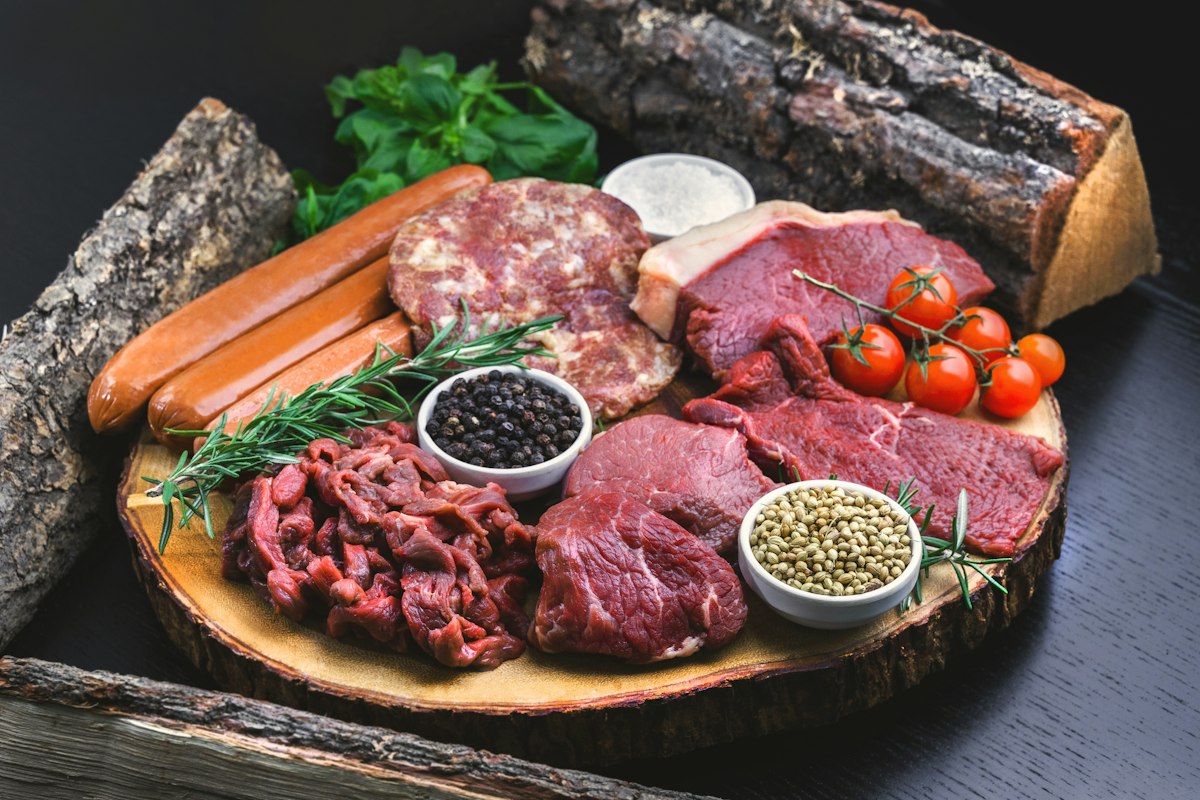
Original source illustration; may show a general food category.
Ground Bison offers a rich flavor profile and is a great source of protein, vitamins, and minerals. It can be used in a variety of dishes from burgers to meatloafs.
Country stock records are private to assigned managers.
Food-waste calculator
Estimate food you can keep out of the bin by using or sharing it.
Potential food saved1 kg
If you use or share 1 kg of Ground Bison instead of discarding it, that is 1 kg kept out of the bin.
This uses only your entered amount. It does not claim measured waste reduction or convert pieces and packs into invented weights.
Overview
Ground Bison offers a rich flavor profile and is a great source of protein, vitamins, and minerals. It can be used in a variety of dishes from burgers to meatloafs.
Origin & history
ancient uses: Used as a primary food source by Native Americans.
region of origin: North America
country of origin: United States
historical timeline: year: 1800
event: European settlers began hunting bison, leading to dramatic population declines.
year: 1900
event: Efforts began to conserve the bison population.
year: 2000
event: Bison farming has become more popular due to the demand for lean meat.
cultural significance: Important in many Native American cultures as a source of food and materials.
domestication history: Bison were domesticated by Native Americans and are now raised on ranches.
traditional importance: Bison hunting was an essential seasonal activity for Native tribes.
historical trade routes: Bison hides and meat were traded among tribes and eventually with European settlers.
Growing & production
climate: Temperate with cold winters and warm summers
rainfall: 20-40 inches per year.
harvesting: Typically harvested in late fall.
irrigation: Minimal irrigation needed; drought-resistant grasses are commonly grown.
temperature: Varies greatly; capable of withstanding extreme temperatures.
growing season: Late spring to early fall.
harvest period: Annual, typically in late fall.
growing regions: Great Plains
Canada
Northern USA
pest management: Integrated pest management practices are used.
soil requirements: Well-drained soils preferred for pasture growth.
organic cultivation: Increasing interest in organic bison farming.
fertilizer requirements: Soil testing recommended; organic fertilizers preferred.
Ground bison is a nutrient-dense meat option that provides high-quality protein with less fat compared to conventional beef. It offers important vitamins and minerals such as B vitamins and zinc, which support immune system function and energy production. Additionally, the low-fat content can aid in weight management while still providing essential nutrients.
Health notes
major: Excellent source of complete protein, heme iron, zinc and vitamin B12.
Supports muscle maintenance, immune function and cognitive health.
Choose leaner cuts and moderate portions for the best long-term health profile.
evidence: Consensus among USDA, NIH and WHO reviews is that ground bison contributes positively to a balanced eating pattern when consumed in appropriate portions.
Storage
freezing: Best when vacuum sealed to avoid freezer burn.
shelf life: 1-2 days refrigerated, 6 months frozen.
refrigeration: Keep at or below 40°F.
best practices: Keep sealed until use
Thaw in refrigerator
common mistakes: Refreezing thawed meat
Ignoring color changes
storage methods: Refrigeration
Freezing
spoilage indicators: Off smell
Color changes
Slimy texture
Preparation
cutting: Use separate cutting boards for meat and other foods.
washing: Do not wash raw meat; it can spread bacteria.
cleaning: Always handle raw meat with clean hands and surfaces.
buying tips: Look for lean cuts and check expiration dates.
cooking methods: Grilling
Roasting
Stir-frying
freshness indicators: Bright color
Clean smell
Practical tips
**Cleaning**
Always handle raw meat with clean hands and surfaces.
**Washing**
Do not wash raw meat; it can spread bacteria.
**Cutting**
Use separate cutting boards for meat and other foods.
Recipes
name: Bison Burgers
tags: Burgers
Healthy
Quick Meal
tips: Serve with whole grain buns for added fiber.
method: In a bowl, mix ground bison with salt and pepper.
Form the mixture into patties.
Grill the patties over medium heat for about 6 minutes on each side.
Serve on buns with lettuce and tomato.
region: Midwest
country: United States
cuisine: American
servings: 4
cook time: 15 min
image url: https://example.com/bison-burger.jpg
nutrition: fat: 12
protein: 25
calories: 300
prep time: 15 min
chef notes: Bison cooks faster than beef; be careful not to overcook.
difficulty: Easy
description: Juicy bison burgers that are flavorful and lean.
ingredients: 1 lb Ground Bison
1 tsp Salt
1 tsp Pepper
4 Burger Buns
Lettuce
Tomato
recipe source: Family Recipe
suitable diets: Gluten-Free
Transportation
packaging: Vacuum-sealed packaging preferred to extend shelf life.
shelf life: 6 months frozen, 1-2 days refrigerated.
export handling: Adheres to regulations for meat products.
shipping methods: Refrigerated transport required.
storage temperature: Refrigerated below 40°F, frozen below 0°F.
cold chain requirements: Must be kept refrigerated or frozen during transportation.
Sustainability
climate resilience: Bison play an important role in maintaining grassland ecosystems.
land use m2 per kg: 20
sustainable farming: Many bison farms practice sustainable grazing methods.
environmental impact: Lower impact when compared to traditional beef farming.
organic certification: Available in certain markets.
regenerative agriculture: Practiced by several bison ranches.
water footprint l per kg: 500
carbon footprint kgco2e per kg: 7.5
More about this food
Bison were once a cornerstone of Native American culture.
Ground Bison is lower in fat and calories compared to ground beef.
Source references
url: https://www.usda.gov/
type: report
year: 2022
title: Nutritional Profile of Bison Meat
authors: USDA Nutritional Research
publisher: USDA
Kerala & United States locality guides
Regional guides; these links do not establish local product availability.