Imported source research draft. Nutrition, health claims and linked references have not been independently verified.
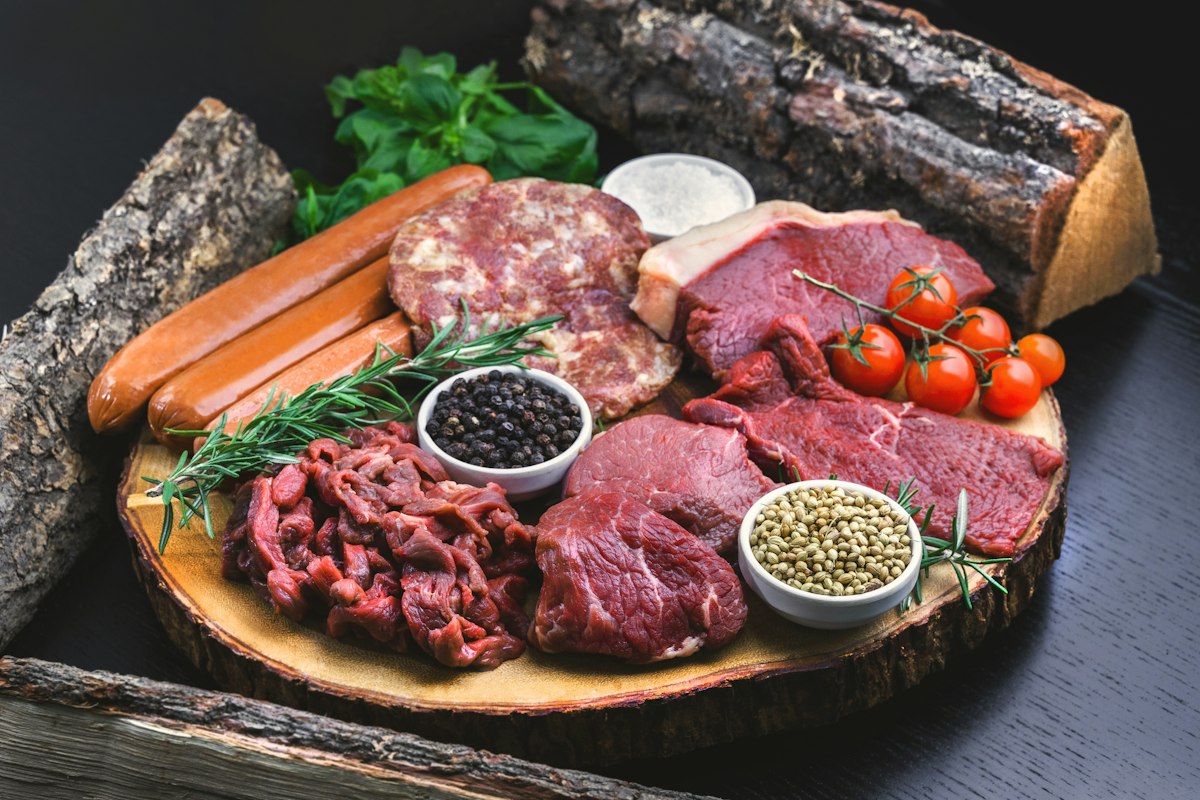
Original source illustration; may show a general food category.
Ground lamb is a versatile and flavorful meat made from lamb, usually derived from young sheep. It is commonly used in Mediterranean, Middle Eastern, and South Asian cuisines. The meat is tender and juicy, with a distinct taste that can enhance many dishes.
Country stock records are private to assigned managers.
Food-waste calculator
Estimate food you can keep out of the bin by using or sharing it.
Potential food saved1 kg
If you use or share 1 kg of Ground Lamb instead of discarding it, that is 1 kg kept out of the bin.
This uses only your entered amount. It does not claim measured waste reduction or convert pieces and packs into invented weights.
Overview
Ground lamb is a versatile and flavorful meat made from lamb, usually derived from young sheep. It is commonly used in Mediterranean, Middle Eastern, and South Asian cuisines. The meat is tender and juicy, with a distinct taste that can enhance many dishes.
Origin & history
ancient uses: Ground lamb has been used as a staple protein in Mediterranean and Middle Eastern ancient diets.
region of origin: Middle East
country of origin: Various
historical timeline: year: 10000
event: Domestication of sheep began in the Mesopotamian region.
cultural significance: Lamb is associated with various cultural celebrations, including religious feasts.
domestication history: Lamb has been domesticated for thousands of years, primarily for meat, wool, and milk.
religious significance: Lamb is often sacrificed during religious festivals in several traditions.
traditional importance: In many cultures, lamb is a symbol of spring and rebirth.
historical trade routes: Lamb has been traded along the Silk Road and other trade routes connecting Europe and Asia.
Growing & production
climate: Temperate to Mediterranean
diseases: Foot and mouth disease
Bluetongue
rainfall: Moderate rainfall, typically 600-1200 mm per year.
harvesting: Harvesting typically occurs in spring.
irrigation: Supplemental irrigation may be necessary in drier regions.
temperature: Optimal temperatures between 10 to 20°C.
growing season: Spring and summer.
growing regions: New Zealand
Australia
United Kingdom
United States
pest management: Integrated pest management strategies are often employed.
planting methods: Pasture management for grazing.
soil requirements: Well-drained, fertile soil with good pasture.
organic cultivation: Organic lamb can be produced, focusing on pasture-raised sheep.
fertilizer requirements: Organic fertilizers, with careful management to avoid overuse.
Ground lamb is a source of high-quality protein and essential nutrients such as iron, zinc, and B vitamins. It supports muscle growth, immune function, and overall health. The omega-3 fatty acids found in lamb can promote heart health, while the iron and zinc are crucial for energy production and immune health.
Health notes
major: Excellent source of complete protein, heme iron, zinc and vitamin B12.
Supports muscle maintenance, immune function and cognitive health.
Choose leaner cuts and moderate portions for the best long-term health profile.
evidence: Consensus among USDA, NIH and WHO reviews is that ground lamb contributes positively to a balanced eating pattern when consumed in appropriate portions.
Storage
freezing: Can be frozen for up to 6 months.
shelf life: 3-5 days refrigerated; 6-12 months frozen.
refrigeration: Keep in the coldest part of the refrigerator.
best practices: Always label and date stored meat.
Keep raw and cooked separate.
common mistakes: Not sealing properly before freezing.
Keeping meat at temperatures above safe limits.
storage methods: Refrigeration
Freezing
Dry storage
spoilage indicators: Off smell
Change in color
Slimy texture
Preparation
cutting: Use a sharp knife for even cuts.
washing: Use clean hands or utensils to avoid cross-contamination.
cleaning: Rinse under cold water before preparation.
buying tips: Look for bright red color and avoid any grayish tones.
cooking methods: Grilling
Baking
Sautéing
Stewing
freshness indicators: Firm texture
Fresh smell
No off-color.
seasonal buying guide: Best purchased in spring during lambing season.
Practical tips
**Cleaning**
Rinse under cold water before preparation.
**Washing**
Use clean hands or utensils to avoid cross-contamination.
**Cutting**
Use a sharp knife for even cuts.
Recipes
name: Lamb Kofta
tags: Easy
Keto
Mediterranean
Grilling
tips: Serve with pita bread.
method: Mix all ingredients in a bowl.
Shape into balls.
Cook on a grill or skillet until browned.
region: Mediterranean
country: Greece
cuisine: Mediterranean
servings: 4
cook time: 20 min
image url: http://example.com/lamb-kofta.jpg
nutrition: fat: 20
protein: 25
calories: 300
prep time: 15 min
chef notes: Ensure the meat is well combined for even cooking.
difficulty: Easy
description: Spiced ground lamb rolled into meatballs and served with tzatziki.
ingredients: 500g ground lamb
1 onion, finely chopped
2 cloves garlic, minced
1 tsp cumin
1 tsp coriander
Salt and pepper to taste
recipe source: Traditional Greek Cuisine
suitable diets: Paleo
Keto
Transportation
packaging: Vacuum sealed or cryovac packaging to extend freshness.
shelf life: Fresh ground lamb has a shelf life of 3-5 days in refrigeration.
shipping methods: Air and road transport are common.
storage temperature: 0 to 4°C recommended.
cold chain requirements: Refrigerated transport required.
transportation constraints: Requires strict compliance with temperature regulations.
Sustainability
climate resilience: Adaptations required for extreme weather conditions.
land use m2 per kg: 10
sustainable farming: Practices include rotational grazing and low-impact animal husbandry.
environmental impact: Can be significant; local sourcing can mitigate effects.
organic certification: Available through certified farms.
regenerative agriculture: Practices encourage biodiversity and soil health.
water footprint l per kg: 600
carbon footprint kgco2e per kg: 6
More about this food
Ground lamb is popular in Mediterranean cuisine, particularly in dishes like moussaka and kebabs.
Lamb is typically more fatty than other ground meats, which adds to its rich flavor.