Imported source research draft. Nutrition, health claims and linked references have not been independently verified.
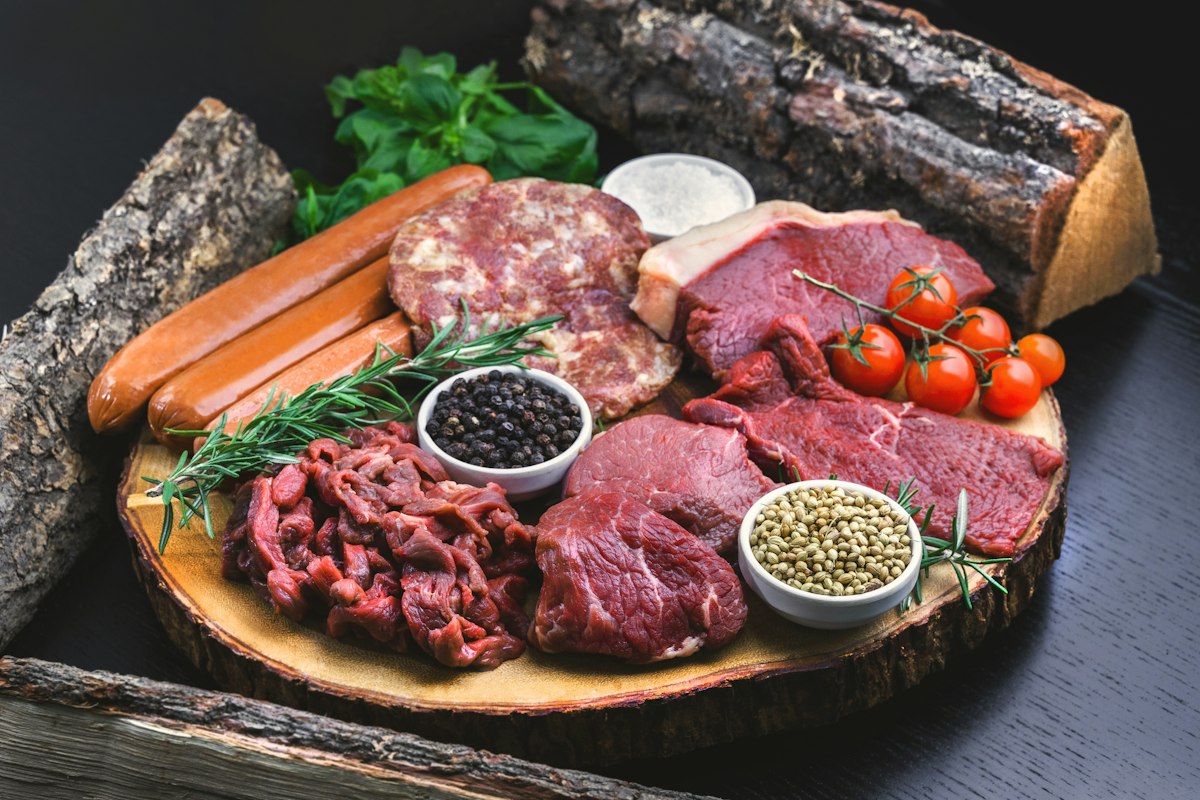
Original source illustration; may show a general food category.
Ground turkey is produced by grinding turkey meat, typically from the breast and thighs, and can be used in various dishes as a healthier alternative to ground beef.
Country stock records are private to assigned managers.
Food-waste calculator
Estimate food you can keep out of the bin by using or sharing it.
Potential food saved1 kg
If you use or share 1 kg of Ground Turkey instead of discarding it, that is 1 kg kept out of the bin.
This uses only your entered amount. It does not claim measured waste reduction or convert pieces and packs into invented weights.
Overview
Ground turkey is produced by grinding turkey meat, typically from the breast and thighs, and can be used in various dishes as a healthier alternative to ground beef.
Origin & history
ancient uses: Historically used for meat by indigenous tribes.
region of origin: North America
country of origin: United States
historical timeline: year: 1500
event: Turkeys were first domesticated.
year: 1621
event: Ground turkey started to be used in American cuisine.
cultural significance: A staple in American and Thanksgiving feasts.
domestication history: Turkeys were domesticated by Native Americans over 200 years ago.
traditional importance: Often associated with holiday meals.
historical trade routes: Early trade routes included turkeys being sent to Europe.
Growing & production
climate: Temperate
harvesting: Typically harvested in fall.
temperature: Preferred 70-80°F (21-27°C)
growing regions: North America
Europe
organic cultivation: Available as organic product.
Ground turkey is a lean protein source, beneficial for muscle building and maintaining a healthy weight. It also contains essential vitamins and minerals.
Health notes
major: Lean, complete protein — supports muscle, bone and skin health.
Good source of niacin, vitamin B6, phosphorus and selenium.
Skinless cuts keep saturated fat low without sacrificing flavour.
evidence: Consensus among USDA, NIH and WHO reviews is that ground turkey contributes positively to a balanced eating pattern when consumed in appropriate portions.
Storage
freezing: Wrap tightly to prevent freezer burn.
shelf life: 1-2 days refrigerated; up to 6 months frozen.
refrigeration: Store in the coldest part of the refrigerator.
best practices: Use within recommended storage time.
Cook thoroughly.
common mistakes: Refreezing thawed turkey meat.
storage methods: Refrigeration
Freezing
spoilage indicators: Foul odor
Change of color
Preparation
cutting: Use separate utensils for raw meat.
washing: Do not wash raw meat as it can spread bacteria.
cleaning: Rinse with cold water.
buying tips: Look for fresh, pink meat.
Check for best by date.
cooking methods: Grilling
Baking
Stir-frying
freshness indicators: Bright color
No foul odor
seasonal buying guide: Best purchased year-round, but peak around Thanksgiving.
Practical tips
**Cleaning**
Rinse with cold water.
**Washing**
Do not wash raw meat as it can spread bacteria.
**Cutting**
Use separate utensils for raw meat.
Recipes
name: Turkey Burgers
tags: Burger
Grilling
Healthy
tips: Serve with whole-wheat buns.
method: In a mixing bowl, combine all ingredients.
Form into patties.
Grill over medium heat for about 5-7 minutes on each side.
region: Various
country: United States
cuisine: American
servings: 4
cook time: 10 min
image url: https://example.com/turkey_burger.jpg
nutrition: fat: 8
protein: 26
calories: 200
prep time: 15 min
video url: https://youtube.com/turkey_burger_recipe
chef notes: Add herbs for extra flavor.
difficulty: Easy
description: Delicious and healthy turkey burgers perfect for summer grilling.
ingredients: 1 lb ground turkey
1/4 cup breadcrumbs
1 egg
1 tsp garlic powder
Salt and pepper to taste
youtube url: https://youtube.com/turkey_burger_recipe
recipe source: Food Network
suitable diets: Lean
Gluten-free
Transportation
packaging: Sealed plastic wrappers or vacuum-packed.
shelf life: Up to 2 years frozen; 1-2 days refrigerated.
shipping methods: Refrigerated trucks.
storage temperature: Maintain below 40°F (4°C) for fresh.
cold chain requirements: Must be kept refrigerated or frozen.
Sustainability
climate resilience: Moderate adaptability.
land use m2 per kg: 2.4
sustainable farming: Increasing focus on humane practices.
environmental impact: Lower compared to beef.
organic certification: Available from select producers.
water footprint l per kg: 390
carbon footprint kgco2e per kg: 5.5
More about this food
Ground turkey contains less fat compared to traditional ground beef.
It is popular in many dishes, including burgers, tacos, and meatloaf.
Source references
url: https://usda.gov/groundturkey
type: report
year: 2023
title: Nutritional Components of Ground Turkey
authors: US Department of Agriculture
publisher: USDA
Kerala & United States locality guides
Regional guides; these links do not establish local product availability.