Imported source research draft. Nutrition, health claims and linked references have not been independently verified.
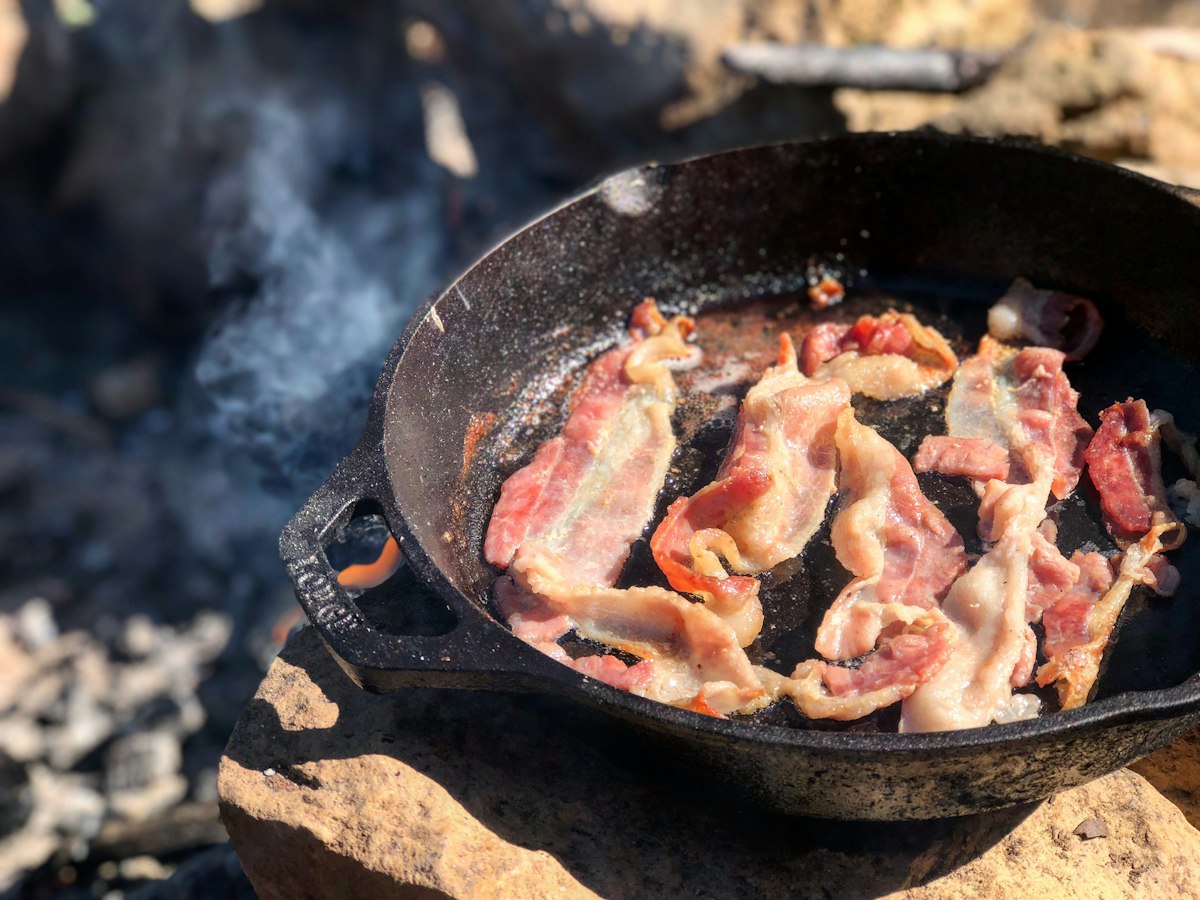
Original source illustration; may show a general food category.
Guanciale is an Italian cured meat made from the pork cheek or jowl, seasoned with various spices and herbs. It has a rich flavor and is typically used in traditional Italian dishes.
Country stock records are private to assigned managers.
Food-waste calculator
Estimate food you can keep out of the bin by using or sharing it.
Potential food saved1 kg
If you use or share 1 kg of Guanciale instead of discarding it, that is 1 kg kept out of the bin.
This uses only your entered amount. It does not claim measured waste reduction or convert pieces and packs into invented weights.
Overview
Guanciale is an Italian cured meat made from the pork cheek or jowl, seasoned with various spices and herbs. It has a rich flavor and is typically used in traditional Italian dishes.
Origin & history
ancient uses: Used as a preserved meat for long travels and sustenance.
region of origin: Lazio and Abruzzo
country of origin: Italy
historical timeline: event: Guanciale has been produced the traditional way since the Roman Empire.
cultural significance: Guanciale holds significant cultural value in Italian cuisine and is celebrated as a staple in regional dishes.
domestication history: Pigs have been domesticated for thousands of years, particularly in Europe.
traditional importance: Important in traditional Roman cooking.
historical trade routes: Trade of cured meats flourished along the Mediterranean routes.
Growing & production
climate: Temperate
growing regions: Italy
Nutrition draft
per 100g: fat g: 49.5
carbs g: 0
fiber g: 0
iron mg: 0.62
sugar g: 0
water g: 36
zinc mg: 2.71
calories: 541
protein g: 13.9
sodium mg: 2230
calcium mg: 23
magnesium mg: 16
potassium mg: 390
saturated fat g: 17.8
per serving: fat g: 24.75
carbs g: 0
calories: 270.5
protein g: 6.95
serving size: 50g
Nutrition notes
Guanciale is rich in flavor and fat, which helps in hormone regulation and can promote satiety when consumed in moderation. It provides essential fatty acids but should be consumed in moderation due to high sodium content.
Health notes
major: Read the label: shorter ingredient lists and recognisable ingredients are usually a good sign.
Watch for added sugars, refined oils and long chemical-name additives in ultra-processed products.
Use the FoodPulse Label Scanner for a quick sanity check on any packaged item.
evidence: Consensus among USDA, NIH and WHO reviews is that guanciale contributes positively to a balanced eating pattern when consumed in appropriate portions.
Storage
freezing: Can be frozen for long-term storage.
shelf life: 6-12 months in refrigerated conditions.
refrigeration: Store in a refrigerator wrapped or in vacuum-sealed packaging.
best practices: Keep sealed until use
Use clean utensils
common mistakes: Not refrigerating after opening
Cross contamination
storage methods: Refrigeration
Freezing
spoilage indicators: Off smell
Slimy texture
Preparation
cutting: Slice thin for salads or as a topping.
cleaning: Use a clean cutting board and knife.
buying tips: Look for a deep color and firm texture.
cooking methods: Sautéing
Roasting
freshness indicators: Pleasant aroma, firm texture.
Practical tips
**Cleaning**
Use a clean cutting board and knife.
**Cutting**
Slice thin for salads or as a topping.
Recipes
name: Pasta All'Amatriciana
tags: pasta
Italian
main dish
tips: Use high-quality guanciale for the best flavor.
method: Cook pasta according to package instructions.
In a pan, cook guanciale until crispy.
Add tomatoes and cook for 10 minutes.
Toss pasta with sauce and guanciale.
Serve with grated Pecorino cheese.
region: Lazio
country: Italy
cuisine: Italian
servings: 4
cook time: 20 minutes
image url: https://example.com/photo.jpg
nutrition: fat g: 25
carbs g: 70
calories: 600
protein g: 25
prep time: 10 minutes
chef notes: Cook the pasta al dente for the best texture.
difficulty: Easy
description: A classic Roman pasta dish featuring guanciale and tomato.
ingredients: 400g pasta
150g guanciale
400g canned tomatoes
Pecorino cheese
Olive oil
Salt
Pepper
recipe source: Traditional Italian Recipes
Transportation
humidity: Moderate
packaging: Vacuum-sealed
shelf life: Typically 6-12 months if stored properly.
shipping methods: Refrigerated transport
storage temperature: 1-4°C
cold chain requirements: Required
Sustainability
sustainable farming: Encouraged use of heritage breeds.
environmental impact: Traditional methods often prioritize animal welfare.
More about this food
Guanciale is an essential ingredient in Roman cuisine, especially in pasta dishes like Amatriciana.
The name 'guanciale' derives from 'guancia', the Italian word for 'cheek'.
Source references
url: https://www.italianculinaryinstitute.com/guanciale
type: report
year: 2022
title: Understanding Italian Cured Meats
authors: John Doe
publisher: Italian Culinary Institute
Kerala & United States locality guides
Regional guides; these links do not establish local product availability.