Imported source research draft. Nutrition, health claims and linked references have not been independently verified.
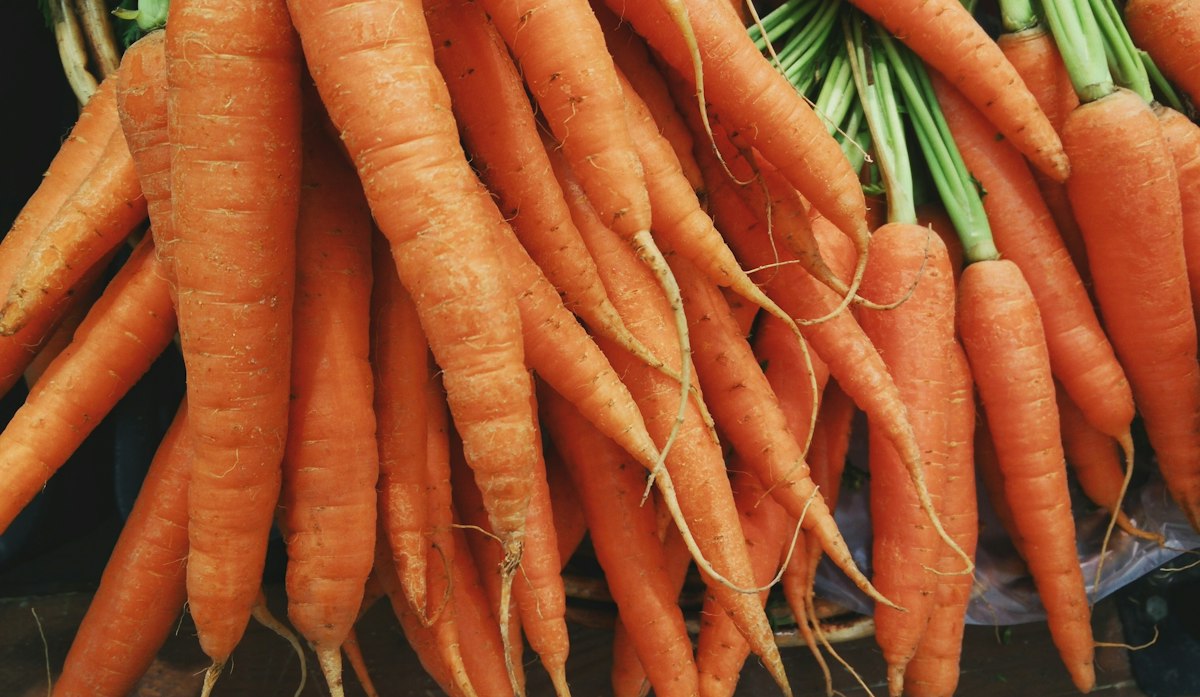
Original source illustration; may show a general food category.
Lotus root is the edible rhizome of the lotus plant, featuring a unique structure filled with holes that can be seen when sliced. It has a slightly sweet, crunchy texture.
Country stock records are private to assigned managers.
Food-waste calculator
Estimate food you can keep out of the bin by using or sharing it.
Potential food saved1 kg
If you use or share 1 kg of Lotus Root instead of discarding it, that is 1 kg kept out of the bin.
This uses only your entered amount. It does not claim measured waste reduction or convert pieces and packs into invented weights.
Overview
Lotus root is the edible rhizome of the lotus plant, featuring a unique structure filled with holes that can be seen when sliced. It has a slightly sweet, crunchy texture.
Origin & history
ancient uses: Used in traditional medicine and culinary dishes.
region of origin: Southeast Asia
country of origin: India
historical timeline: event: References to lotus root cultivation appear in ancient texts.
cultural significance: Symbol of purity and beauty in many cultures.
domestication history: Believed to have been cultivated for over 3,000 years.
religious significance: Connected with spirituality in Buddhism and Hinduism.
traditional importance: Widely used in celebrations and festivals.
historical trade routes: Traded along ancient Silk Route.
Growing & production
climate: Temperate to tropical
rainfall: Moderate to high rainfall.
harvesting: Roots can be harvested in late Autumn.
irrigation: Regular water supply needed.
hydroponics: Can be grown hydroponically.
temperature: 20-30°C
growing season: Spring to Autumn
harvest period: Late Fall to early Winter.
yield per acre: 3000-5000 pounds.
growing regions: Asia
North America
pest management: Manual removal of pests and cultural practices.
planting methods: Rhizome planting under water.
soil requirements: Well-drained, rich in organic material.
organic cultivation: Possible with proper techniques.
greenhouse production: Not common.
fertilizer requirements: Organic fertilizers preferred.
Nutrition draft
per 100g: fat g: 0.1
carbs g: 17.2
fiber g: 4.9
iron mg: 0.3
sugar g: 0
water g: 87.6
zinc mg: 0.3
calories: 74
omega3 g: 0
omega6 g: 0
protein g: 2
sodium mg: 0
calcium mg: 50
folate mcg: 0
magnesium mg: 25
potassium mg: 508
vitamin a iu: 0
vitamin c mg: 44
vitamin k mcg: 0
saturated fat g: 0
per serving: fat g: 0.1
carbs g: 17.2
calories: 74
protein g: 2
serving size: 100g
Nutrition notes
Lotus root has various health benefits including improving digestion, enhancing heart health, and providing antioxidants. It's traditionally used in many cultures for its nutritional properties.
Health notes
major: Rich in fibre, vitamins A and C, folate, potassium and plant polyphenols.
Low in calories and high in water content — supports weight management and hydration.
Regular vegetable intake is linked to lower rates of cardiovascular disease and type 2 diabetes.
evidence: Consensus among USDA, NIH and WHO reviews is that lotus root contributes positively to a balanced eating pattern when consumed in appropriate portions.
Storage
freezing: Can be frozen after blanching.
shelf life: Up to 2 weeks refrigerated.
refrigeration: Recommended within a fridge.
best practices: Store in a cool, dark place.
Avoid moisture.
common mistakes: Ignoring soft spots
Exposing to air too long.
storage methods: Refrigeration
Controlled atmosphere storage
spoilage indicators: Softening
Discoloration
controlled atmosphere storage: Effective for extended durability.
Preparation
cutting: Slice into thin rounds or cubes as desired.
peeling: Peel using a vegetable peeler.
washing: Wash before peeling.
cleaning: Rinse thoroughly under water.
buying tips: Choose firm roots with no blemishes.
cooking methods: Boiling
Stir-frying
Steaming
freshness indicators: Crisp texture, no black spots.
seasonal buying guide: Best when purchased in Fall.
Practical tips
**Cleaning**
Rinse thoroughly under water.
**Washing**
Wash before peeling.
**Peeling**
Peel using a vegetable peeler.
**Cutting**
Slice into thin rounds or cubes as desired.
Recipes
name: Lotus Root Stir-Fry
tags: Stir-fry
Vegetarian
Healthy
tips: Serve hot over rice.
method: Slice the lotus root and vegetables.
Stir-fry garlic in a pan.
Add lotus root and other vegetables.
Pour in soy sauce and cook until tender.
region: Sichuan
country: China
cuisine: Chinese
servings: 4
cook time: 10 minutes
image url: https://example.com/lotus-root-stir-fry.jpg
prep time: 15 minutes
video url: https://example.com/video
chef notes: Perfect for a quick weeknight meal.
difficulty: Medium
description: A quick and delicious lotus root stir-fry with vegetables.
ingredients: Lotus root
Bell peppers
Carrots
Garlic
Soy sauce
youtube url: https://youtube.com/example
recipe source: Chef's Kitchen
suitable diets: Vegan
Transportation
humidity: High humidity is preferred during storage.
packaging: Plastic or mesh bags.
shelf life: 1-2 weeks refrigerated.
export handling: Clean and pack carefully to avoid bruising.
shipping methods: Air and sea freight.
storage temperature: 5-10°C for best quality.
cold chain requirements: Not critical, but cool storage recommended.
transportation constraints: Sensitive to physical damage.
Sustainability
climate resilience: Adaptable to various climates.
sustainable farming: Encouraging due to demand for local sourcing.
environmental impact: Positive as it supports wetland restoration.
organic certification: Available with specific growers.
pollinator importance: Flowers support local pollinator species.
regenerative agriculture: Possible with proper management.
More about this food
Lotus roots can grow up to 14 inches long.
In Asia, lotus root is often used in soups and salads.
Lotus flowers and seeds have cultural significance in various traditions.
Source references
url: https://journalofnutrition.com/lotus-root
type: journal
year: 2022
title: Nutritional Properties of Lotus Root
authors: Smith, J.
publisher: Journal of Nutrition
Kerala & United States locality guides
Regional guides; these links do not establish local product availability.