Imported source research draft. Nutrition, health claims and linked references have not been independently verified.
Original source illustration; may show a general food category.
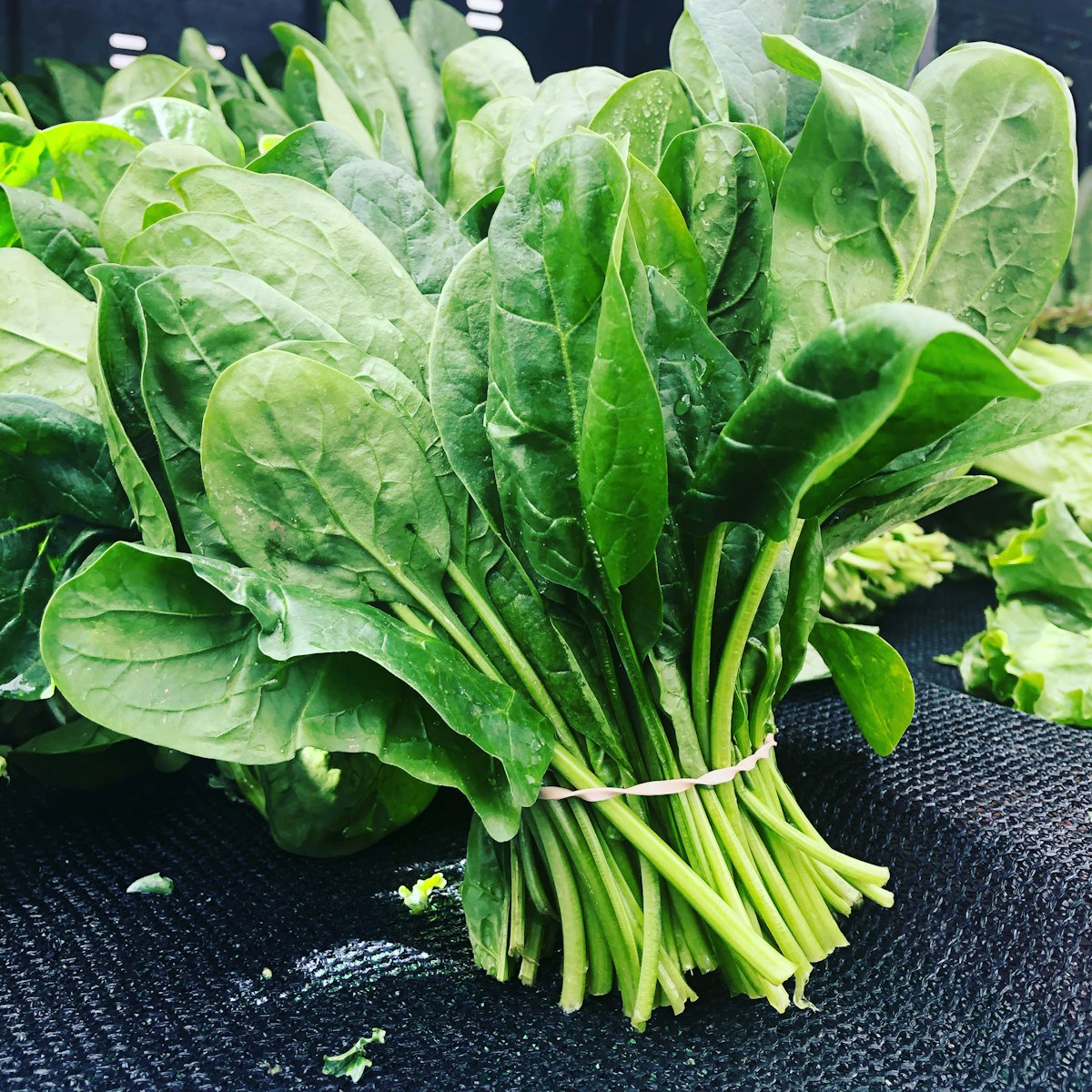
Mustard greens, a variety of the mustard plant, are widely consumed vegetables characterized by their dark green, jagged leaves and spicy flavor. They can be eaten raw in salads or cooked in various dishes, providing a unique taste and numerous health benefits.
Country stock records are private to assigned managers.
Food-waste calculator
Estimate food you can keep out of the bin by using or sharing it.
Potential food saved1 kg
If you use or share 1 kg of Mustard Greens instead of discarding it, that is 1 kg kept out of the bin.
This uses only your entered amount. It does not claim measured waste reduction or convert pieces and packs into invented weights.
Overview
Mustard greens, a variety of the mustard plant, are widely consumed vegetables characterized by their dark green, jagged leaves and spicy flavor. They can be eaten raw in salads or cooked in various dishes, providing a unique taste and numerous health benefits.
Origin & history
ancient uses: Used in traditional medicine and cooking.
region of origin: South Asia
country of origin: India
historical timeline: year: 2000 BC
event: Use of mustard seeds in ancient civilizations.
cultural significance: Mustard greens are an integral ingredient in many South Asian dishes.
domestication history: Mustard greens have been cultivated since ancient times, particularly in Asia.
traditional importance: Featured in various cultural festivals and traditions.
historical trade routes: Ancient spice routes connecting East and West.
Growing & production
climate: Temperate to subtropical climates
rainfall: Moderate rainfall, approximately 20-30 inches annually
harvesting: Leaves can be harvested when young, typically 35-45 days after planting.
irrigation: Regular watering required, especially in dry periods.
temperature: Best grown in temperatures between 50°F to 80°F (10°C to 27°C)
growing season: Spring and fall
harvest period: Late spring to early summer
yield per acre: 3-4 tons
growing regions: Asia
North America
Europe
pest management: Pests include aphids and caterpillars, managed by organic or chemical pesticides.
planting methods: Direct seeding or transplanting seedlings
soil requirements: Well-drained, fertile soil with a pH of 6.0 to 7.5
organic cultivation: Possible and practiced widely.
fertilizer requirements: High nitrogen content fertilizers are recommended.
Mustard greens are highly nutritious and offer various health benefits.Patient studies have shown their potential in improving digestive health, strengthening bones, and providing anti-inflammatory effects. Their rich antioxidant content also contributes to overall wellness.
Health notes
major: Rich in fibre, vitamins A and C, folate, potassium and plant polyphenols.
Low in calories and high in water content — supports weight management and hydration.
Regular vegetable intake is linked to lower rates of cardiovascular disease and type 2 diabetes.
evidence: Consensus among USDA, NIH and WHO reviews is that mustard greens contributes positively to a balanced eating pattern when consumed in appropriate portions.
Storage
freezing: Blanch before freezing to preserve taste and texture.
shelf life: 7-10 days in fridges
refrigeration: Most effective for maintaining freshness.
best practices: Store in a breathable bag
Keep moisture balanced
common mistakes: Over-wrapping
Ignoring temperature
storage methods: Refrigeration
Controlled atmosphere
spoilage indicators: Yellowing leaves
Wilting
controlled atmosphere storage: Recommended for longer shelf life.
Preparation
cutting: Remove tough stems and chop leaves as desired.
washing: Soak in water if particularly dirty.
cleaning: Wash thoroughly under running water to remove dirt.
buying tips: Look for vibrant green leaves without yellowing.
cooking methods: Steaming
Sautéing
Boiling
Stir-frying
freshness indicators: Crisp texture and fresh, pungent aroma.
seasonal buying guide: Best to buy in spring and early fall.
Practical tips
**Cleaning**
Wash thoroughly under running water to remove dirt.
**Washing**
Soak in water if particularly dirty.
**Cutting**
Remove tough stems and chop leaves as desired.
Recipes
name: Stir-Fried Mustard Greens
tags: vegan
vegetarian
stir-fry
tips: Use fresh garlic for the best flavor.
method: Heat oil in a pan.
Add minced garlic and sauté until golden.
Add chopped mustard greens and stir-fry for 3-5 minutes.
Add soy sauce and salt, mix well, and serve.
region: Canton
country: China
cuisine: Chinese
servings: 4
cook time: 5 minutes
image url: https://example.com/stir_fry_image.jpg
nutrition: fat g: 2
carbs g: 3
calories: 50
protein g: 2.5
prep time: 10 minutes
chef notes: For variations, try adding sesame oil or chili flakes.
difficulty: Easy
description: A quick and healthy stir-fry of mustard greens with garlic.
ingredients: 400g mustard greens
3 cloves garlic, minced
2 tbsp soy sauce
1 tbsp vegetable oil
Salt to taste
recipe source: Traditional Cantonese Cuisine
suitable diets: Vegan
Transportation
humidity: High humidity recommended, around 90%
packaging: Bunched or loose in ventilated crates.
shelf life: 5-7 days in refrigeration.
shipping methods: Air and sea freight.
storage temperature: 32°F to 36°F (0°C to 2°C)
cold chain requirements: Not mandatory but preferred for quality retention.
Sustainability
climate resilience: Can adapt to a range of climate conditions.
sustainable farming: Sustainable practices include organic farming and crop rotation.
environmental impact: Low impact when grown sustainably.
organic certification: Available through various certifying bodies.
pollinator importance: Supports local bee populations.
regenerative agriculture: Practiced by some farmers to improve soil health.
More about this food
Mustard greens can be harvested in a variety of climates.
They are rich in vitamins A, C, and K.
Source references
url: https://example.com/nutrition
type: journal
year: 2022
title: Nutritional Profile of Mustard Greens
authors: Smith, J.
publisher: Nutritional Journal
Kerala & United States locality guides
Regional guides; these links do not establish local product availability.