Imported source research draft. Nutrition, health claims and linked references have not been independently verified.
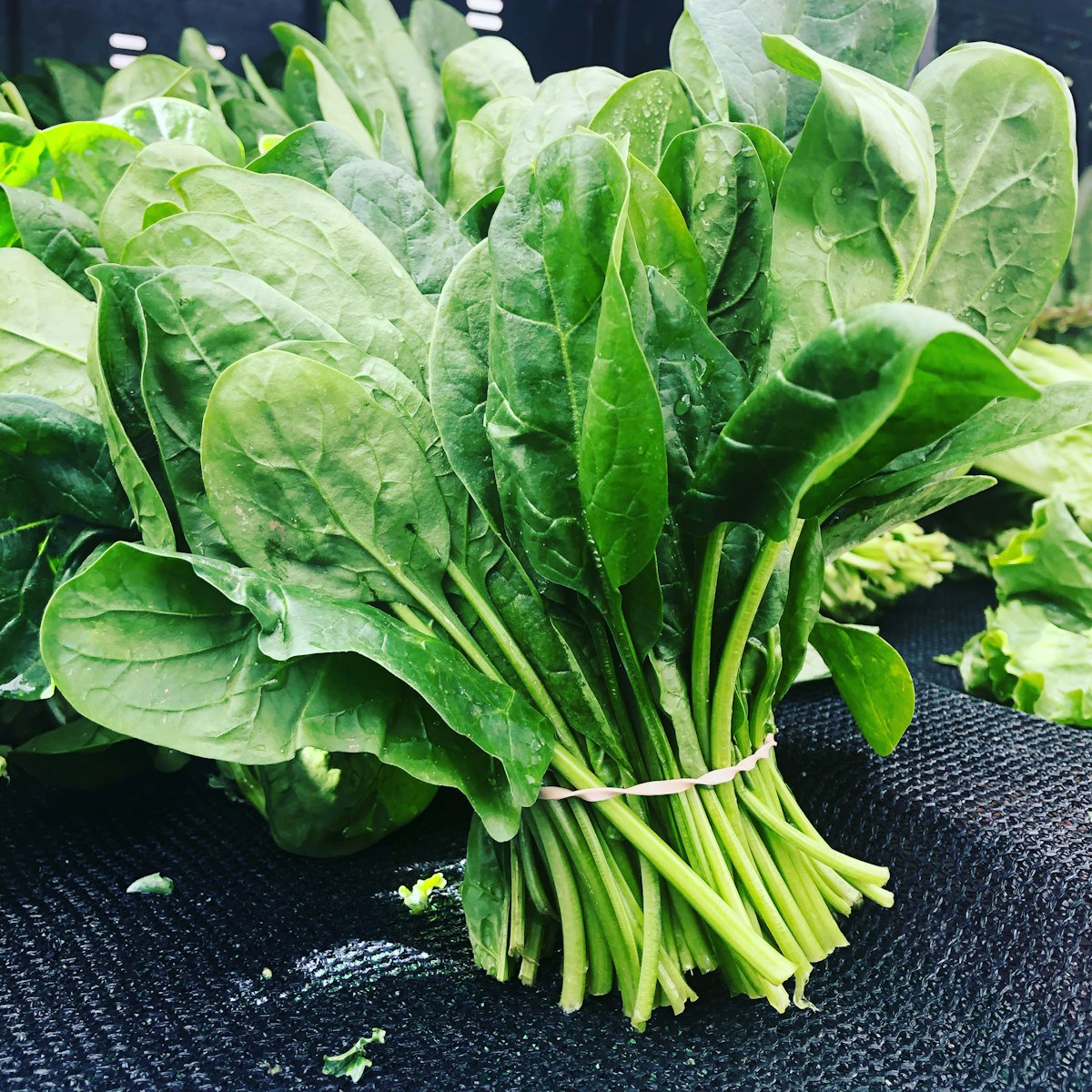
Original source illustration; may show a general food category.
Napa cabbage, also known as Chinese cabbage, has a mild flavor and crisp texture, making it ideal for salads, pickling, and stir-frys. It is characterized by its broad, pale green leaves and a dense head.
Country stock records are private to assigned managers.
Food-waste calculator
Estimate food you can keep out of the bin by using or sharing it.
Potential food saved1 kg
If you use or share 1 kg of Napa Cabbage instead of discarding it, that is 1 kg kept out of the bin.
This uses only your entered amount. It does not claim measured waste reduction or convert pieces and packs into invented weights.
Overview
Napa cabbage, also known as Chinese cabbage, has a mild flavor and crisp texture, making it ideal for salads, pickling, and stir-frys. It is characterized by its broad, pale green leaves and a dense head.
Origin & history
ancient uses: Used in traditional Chinese medicine and cooking.
region of origin: East Asia
country of origin: China
historical timeline: year: 2200
event: Cultivation of Napa cabbage mentioned in ancient Chinese agricultural texts.
cultural significance: Integral to many East Asian dishes and festivals.
domestication history: Domesticated in China over 1,000 years ago.
traditional importance: Often associated with Lunar New Year meals.
historical trade routes: Spread through trade routes to Korea and Japan.
Growing & production
climate: Cool weather is optimal for growth.
diseases: Downy mildew
Black rot
rainfall: Requires moderate rainfall, around 500-800 mm annually.
harvesting: Typically harvested 70-90 days after planting.
irrigation: Regular watering is crucial, especially during dry spells.
temperature: Best grown in temperatures between 15-20°C.
growing season: Spring and fall.
harvest period: Late spring to fall.
yield per acre: Approximately 10-15 tons.
growing regions: China
Korea
Japan
California
Europe
pest management: Common pests include aphids and cabbage worms.
planting methods: Direct seeding or transplanting seedlings.
soil requirements: Well-drained, fertile soil high in organic matter.
organic cultivation: Commonly grown organically.
greenhouse production: Used in colder regions to extend the growing season.
fertilizer requirements: Nitrogen-rich fertilizers are beneficial.
Nutrition draft
per 100g: fat g: 0.2
carbs g: 2.2
fiber g: 1.2
iron mg: 0.6
sugar g: 1.2
water g: 95
zinc mg: 0.2
calories: 12
protein g: 1.4
sodium mg: 28
calcium mg: 53
folate mcg: 61
magnesium mg: 12
potassium mg: 330
vitamin a iu: 361
vitamin c mg: 45
vitamin k mcg: 36
saturated fat g: 0
per serving: fat g: 0.2
carbs g: 2.2
calories: 12
protein g: 1.4
serving size: 100g
antioxidants: Vitamins C
Beta-carotene
phytochemicals: Glucosinolates
Nutrition notes
Napa cabbage is low in calories and high in vitamins and antioxidants, making it a great option for weight management and overall wellness. It supports heart health due to its fiber content and can aid in digestion.
Health notes
major: Rich in fibre, vitamins A and C, folate, potassium and plant polyphenols.
Low in calories and high in water content — supports weight management and hydration.
Regular vegetable intake is linked to lower rates of cardiovascular disease and type 2 diabetes.
evidence: Consensus among USDA, NIH and WHO reviews is that napa cabbage contributes positively to a balanced eating pattern when consumed in appropriate portions.
Storage
freezing: Can be blanched and frozen, but may lose texture.
shelf life: 3-4 weeks in ideal conditions.
refrigeration: Recommended to keep in a crisper drawer.
best practices: Keep refrigerated in perforated bags.
common mistakes: Storing too long without proper ventilation.
storage methods: Refrigeration
Controlled atmosphere storage
spoilage indicators: Wilting
Yellowing leaves
Slimy texture
controlled atmosphere storage: Extend shelf life significantly.
Preparation
cutting: Chop or slice as desired for recipes.
washing: Rinse under cold water.
cleaning: Wash thoroughly to remove dirt and any pesticides.
buying tips: Choose heads with firm, crisp leaves.
cooking methods: Stir-frying
Steaming
Raw in salads
freshness indicators: Bright green leaves
Firm texture
seasonal buying guide: Best purchased in late fall through early spring.
Practical tips
**Cleaning**
Wash thoroughly to remove dirt and any pesticides.
**Washing**
Rinse under cold water.
**Cutting**
Chop or slice as desired for recipes.
Recipes
name: Kimchi
tags: fermented
spicy
side dish
tips: Adjust spice level to taste.
method: Cut Napa cabbage into quarters and salt it.
Make the spice paste with garlic, ginger, and pepper.
Mix cabbage and paste, pack into a jar, and let ferment.
region: Nationwide
country: South Korea
cuisine: Korean
servings: 4
cook time: 1 week
image url: http://example.com/kimchi.jpg
nutrition: fat g: 0.5
calories: 50
protein g: 1.5
prep time: 30 min
chef notes: Kimchi continues to ferment and develop flavor over time.
difficulty: Medium
description: A traditional fermented dish made with Napa cabbage and spices.
ingredients: Napa cabbage
Korean red pepper flakes
Garlic
Ginger
Salt
Fish sauce
Green onions
recipe source: Traditional Korean Recipe
suitable diets: Vegan
Gluten-free
Transportation
humidity: High humidity (90-95%) is ideal for storage.
packaging: Typically packed in breathable bags or boxes.
shelf life: 1-2 weeks when refrigerated.
shipping methods: Air freight and truck transport are common.
storage temperature: 2-4°C.
cold chain requirements: Required to maintain freshness during transport.
Sustainability
climate resilience: Adapts to cooler climates.
sustainable farming: Promotes rotation and diversity in crops.
environmental impact: Minimal if properly farmed.
organic certification: Can be grown organically.
regenerative agriculture: Practices help improve soil health.
More about this food
Napa cabbage is commonly used in kimchi.
It grows best in cool climates.
Source references
url: https://www.healthline.com/napa-cabbage-benefits
type: article
year: 2021
title: Napa Cabbage: Nutritional and Health Benefits
authors: Jane Doe
publisher: Healthline
Kerala & United States locality guides
Regional guides; these links do not establish local product availability.