Imported source research draft. Nutrition, health claims and linked references have not been independently verified.
Original source illustration; may show a general food category.
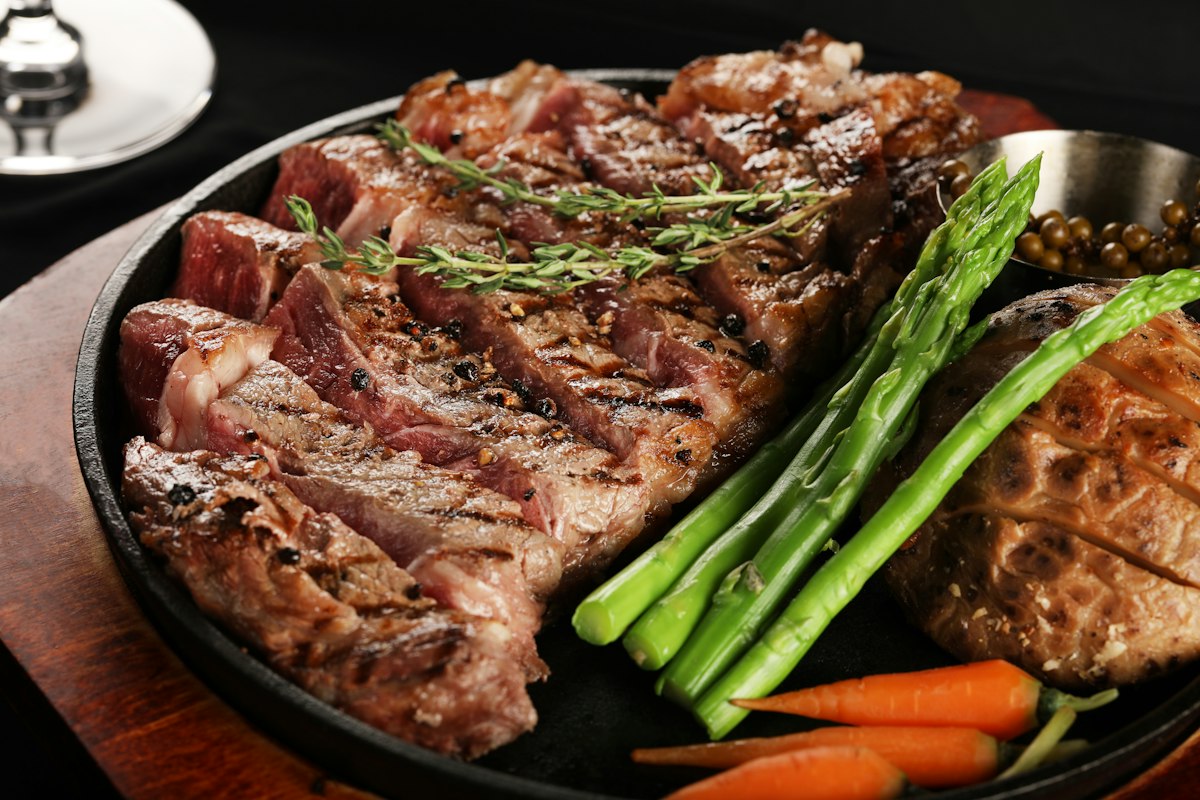
The New York Strip Steak is cut from the short loin of the cow and is known for its balance between tenderness and flavor. It is usually boneless, though it can be sold with the bone in. Its marbling and fat content contribute to its succulent taste and texture.
Country stock records are private to assigned managers.
Food-waste calculator
Estimate food you can keep out of the bin by using or sharing it.
Potential food saved1 kg
If you use or share 1 kg of New York Strip Steak instead of discarding it, that is 1 kg kept out of the bin.
This uses only your entered amount. It does not claim measured waste reduction or convert pieces and packs into invented weights.
Overview
The New York Strip Steak is cut from the short loin of the cow and is known for its balance between tenderness and flavor. It is usually boneless, though it can be sold with the bone in. Its marbling and fat content contribute to its succulent taste and texture.
Origin & history
ancient uses: Beef has been used as a primary source of protein in human diets since domestication.
region of origin: Northeast
country of origin: United States
historical timeline: year: 1800
event: Commercial beef production began in the United States.
year: 1900
event: The New York Strip became popular as a preferred cut of beef.
cultural significance: Steakhouses across America champion the New York Strip as a culinary favorite.
domestication history: Beef cattle were domesticated approximately 10,500 years ago.
traditional importance: A staple in American barbecues and family gatherings.
Growing & production
climate: Temperate
diseases: Bovine Respiratory Disease
Bovine Spongiform Encephalopathy
rainfall: Moderate rainfall, depending on the region.
harvesting: Cattle are typically harvested at around 18-24 months.
irrigation: Used in pasture management during dry seasons.
temperature: Ideal range of 60-80°F.
growing season: Year-round feed production.
harvest period: Year-round, with peaks in certain seasons.
yield per acre: Approximately 1,500 lbs of beef per acre per year.
growing regions: Midwest USA
Texas
Kansas
pest management: Integrated pest management is utilized to protect herds.
soil requirements: Well-drained, nutrient-rich soils.
organic cultivation: Organic beef production requires adherence to USDA organic standards.
fertilizer requirements: Nutrient management is crucial for pasture health.
Nutrition draft
per 100g: fat g: 16
carbs g: 0
fiber g: 0
iron mg: 2.3
sugar g: 0
water g: 60
zinc mg: 5.1
calories: 250
omega3 g: 0.03
omega6 g: 1.1
protein g: 26
sodium mg: 60
calcium mg: 18
folate mcg: 0
magnesium mg: 22
potassium mg: 318
vitamin a iu: 0
vitamin c mg: 0
vitamin k mcg: 0
saturated fat g: 6
amino acids: Leucine: 2.5
Isoleucine: 1.2
per serving: fat g: 14
carbs g: 0
calories: 210
protein g: 23
serving size: 3 oz
trace minerals: Copper: 0.1
Selenium: 18.6
Nutrition notes
New York Strip Steak is rich in protein, which is essential for muscle repair and growth. It is also a good source of iron, which helps in oxygen transport within the body.
Health notes
major: Excellent source of complete protein, heme iron, zinc and vitamin B12.
Supports muscle maintenance, immune function and cognitive health.
Choose leaner cuts and moderate portions for the best long-term health profile.
evidence: Consensus among USDA, NIH and WHO reviews is that new york strip steak contributes positively to a balanced eating pattern when consumed in appropriate portions.
Storage
freezing: Wrap well to prevent freezer burn; store at 0°F.
shelf life: 3-5 days refrigerated; 6-12 months frozen.
refrigeration: Best stored at 32°F to 34°F.
best practices: Keep meat covered
Check for temperature
Use FIFO method in storage
common mistakes: Storing directly on shelf
Ignoring expiration dates
storage methods: Refrigeration
Freezing
spoilage indicators: Off smell
Slimy texture
Color change
Preparation
cutting: Cut against the grain for tenderness.
washing: Do NOT wash before cooking to prevent contamination.
cleaning: Avoid washing meat; pat dry with a clean cloth.
buying tips: Look for bright red color and moderate marbling.
cooking methods: Grilling
Broiling
Pan-searing
freshness indicators: Fresh meat should have a pleasant smell.
seasonal buying guide: Best purchased during grilling season (summer).
Practical tips
**Cleaning**
Avoid washing meat; pat dry with a clean cloth.
**Washing**
Do NOT wash before cooking to prevent contamination.
**Cutting**
Cut against the grain for tenderness.
Recipes
name: Grilled New York Strip with Garlic Butter
tags: grilled
steak
easy
tips: Let the steak rest before cutting.
method: Preheat grill to high.
Season steaks with salt and pepper.
Grill steaks for 4-5 minutes per side for medium-rare.
Melt butter and add minced garlic.
Top grilled steaks with garlic butter before serving.
region: Midwest
country: USA
cuisine: American
servings: 4
cook time: 15 mins
image url: https://example.com/steak.jpg
nutrition: fat g: 28
calories: 350
protein g: 25
prep time: 15 mins
chef notes: Use a meat thermometer to ensure accurate doneness.
difficulty: Easy
description: A deliciously juicy New York Strip steak, grilled to perfection and topped with homemade garlic butter.
ingredients: 4 New York Strip Steaks
4 tbsp butter
4 cloves garlic
Salt
Pepper
recipe source: Home Chef
suitable diets: Paleo
Keto
Transportation
humidity: 85-95% relative humidity is ideal.
packaging: Vacuum-sealed or modified atmosphere packaging.
shelf life: Refrigerated for 3-5 days; frozen for up to 1 year.
export handling: Must comply with health standards set by importing countries.
shipping methods: Refrigerated trucks or air freight.
storage temperature: 32°F to 41°F.
cold chain requirements: Refrigerated transport is required.
transportation constraints: Need for careful handling to prevent spoilage.
Sustainability
climate resilience: Varying climatic conditions pose challenges to grazing livestock.
land use m2 per kg: 50
sustainable farming: Practices include rotational grazing and improved feed efficiency.
environmental impact: Livestock farming contributes to methane emissions.
organic certification: Available for grass-fed beef producers.
regenerative agriculture: Ecosystem-based approaches are being implemented.
water footprint l per kg: 15415
carbon footprint kgco2e per kg: 15
More about this food
The New York Strip is often featured on restaurant menus due to its popularity.
It is known for being a favorite among steak lovers for grilling.
Source references
url: https://www.usda.gov/
type: report
title: USDA Beef Facts
authors: U.S. Department of Agriculture
publisher: USDA
Kerala & United States locality guides
Regional guides; these links do not establish local product availability.