Imported source research draft. Nutrition, health claims and linked references have not been independently verified.
Parsley is a biennial herb that is commonly used in culinary dishes worldwide. It can be found in flat-leaf (Italian) or curly varieties, each imparting a unique flavor and presentation to foods.
Country stock records are private to assigned managers.
Food-waste calculator
Estimate food you can keep out of the bin by using or sharing it.
Potential food saved1 kg
If you use or share 1 kg of Parsley instead of discarding it, that is 1 kg kept out of the bin.
This uses only your entered amount. It does not claim measured waste reduction or convert pieces and packs into invented weights.
Parsley is a biennial herb that is commonly used in culinary dishes worldwide. It can be found in flat-leaf (Italian) or curly varieties, each imparting a unique flavor and presentation to foods.
Origin & history
ancient uses: Used in ancient Greece to decorate victors at the games and in medicinal practices.
region of origin: Southern Europe
country of origin: Mediterranean region
historical timeline: year: 400
event: Cultivated by the Romans.
year: 1536
event: Introduced to North America.
cultural significance: Symbol of festivity and hospitality in various cultures.
domestication history: Domesticated in the Mediterranean region, it has been cultivated since ancient times.
Growing & production
climate: Temperate
rainfall: Moderate, approximately 25-30 inches annually.
harvesting: Cut stems just above the ground to encourage regrowth.
irrigation: Regular watering is needed; avoid waterlogging.
temperature: Best growth at 55-70°F (13-21°C).
growing season: Spring to Autumn.
harvest period: About 70-90 days after planting.
yield per acre: Approx. 3,500 - 4,000 lbs.
growing regions: Mediterranean
North America
Europe
planting methods: Can be direct-seeded or started from transplants.
soil requirements: Prefers well-drained, fertile soil.
organic cultivation: Common in organic gardens.
fertilizer requirements: Use balanced fertilizer for optimal growth.
Parsley is rich in vitamins and antioxidants, contributing to various health benefits including improved digestion, immune support, and anti-inflammatory properties.
Health notes
major: Culinary herbs deliver antioxidants and polyphenols per gram than many superfoods.
Many carry gentle digestive, anti-inflammatory or antimicrobial benefits.
Fresh herbs help reduce salt intake by boosting flavour naturally.
evidence: Consensus among USDA, NIH and WHO reviews is that parsley contributes positively to a balanced eating pattern when consumed in appropriate portions.
Storage
freezing: Can be frozen for long-term storage.
shelf life: Refrigerated up to 2 weeks.
refrigeration: Store in a plastic bag in the vegetable crisper.
best practices: Keep in a cool and dark place.
common mistakes: Storing too wet or too dry.
storage methods: Refrigeration
Freezing
spoilage indicators: Wilting
Yellowing
Preparation
cutting: Chop stems and leaves as needed.
washing: Use a colander.
cleaning: Rinse thoroughly under cool water.
buying tips: Choose bright green, fresh leaves.
cooking methods: Chopping
Blending
freshness indicators: Vibrant color
No wilting
seasonal buying guide: Best in spring through fall.
Practical tips
**Cleaning**
Rinse thoroughly under cool water.
**Washing**
Use a colander.
**Cutting**
Chop stems and leaves as needed.
Recipes
name: Tabbouleh
tags: Salad
Vegan
Middle Eastern
tips: Serve chilled for better flavor.
method: Chop parsley, tomatoes, and onion finely.
Mix all ingredients in a bowl.
Drizzle with olive oil and lemon.
region: Middle East
country: Lebanon
cuisine: Mediterranean
servings: 4
cook time: null
image url: https://example.com/tabbouleh.jpg
nutrition: fat g: 8
carbs g: 30
calories: 200
protein g: 5
prep time: 20 minutes
chef notes: Use fresh ingredients for best results.
difficulty: Easy
description: A fresh salad made of finely chopped parsley, tomatoes, mint, onion, and soaked bulgur, popular in Lebanese cuisine.
ingredients: Parsley
Tomatoes
Mint
Onion
Bulgur
Lemon
Olive oil
recipe source: Traditional Lebanese Recipe
suitable diets: Vegan
Gluten-free
Transportation
humidity: High humidity for freshness.
packaging: Usually packed in plastic bags or bunches.
shelf life: 1-2 weeks in refrigerator.
shipping methods: Air freight for international transport.
storage temperature: 32-35°F (0-2°C).
cold chain requirements: Refrigerated transport recommended.
Sustainability
climate resilience: Thrives in diverse climates.
sustainable farming: Often grown organically.
environmental impact: Low compared to other crops.
organic certification: Available from various suppliers.
pollinator importance: Supports local bee populations.
regenerative agriculture: Practiced by some farmers.
More about this food
Parsley is often used as a garnish, but it adds significant flavor when used as an ingredient.
It is rich in vitamins A, C, and K, and has numerous health benefits.
Source references
url: https://nutritioninstitute.gov/parsley
type: journal
year: 2020
title: Nutritional Composition of Parsley
authors: Dr. Jane Smith
publisher: Nutritional Institute
Kerala & United States locality guides
Regional guides; these links do not establish local product availability.

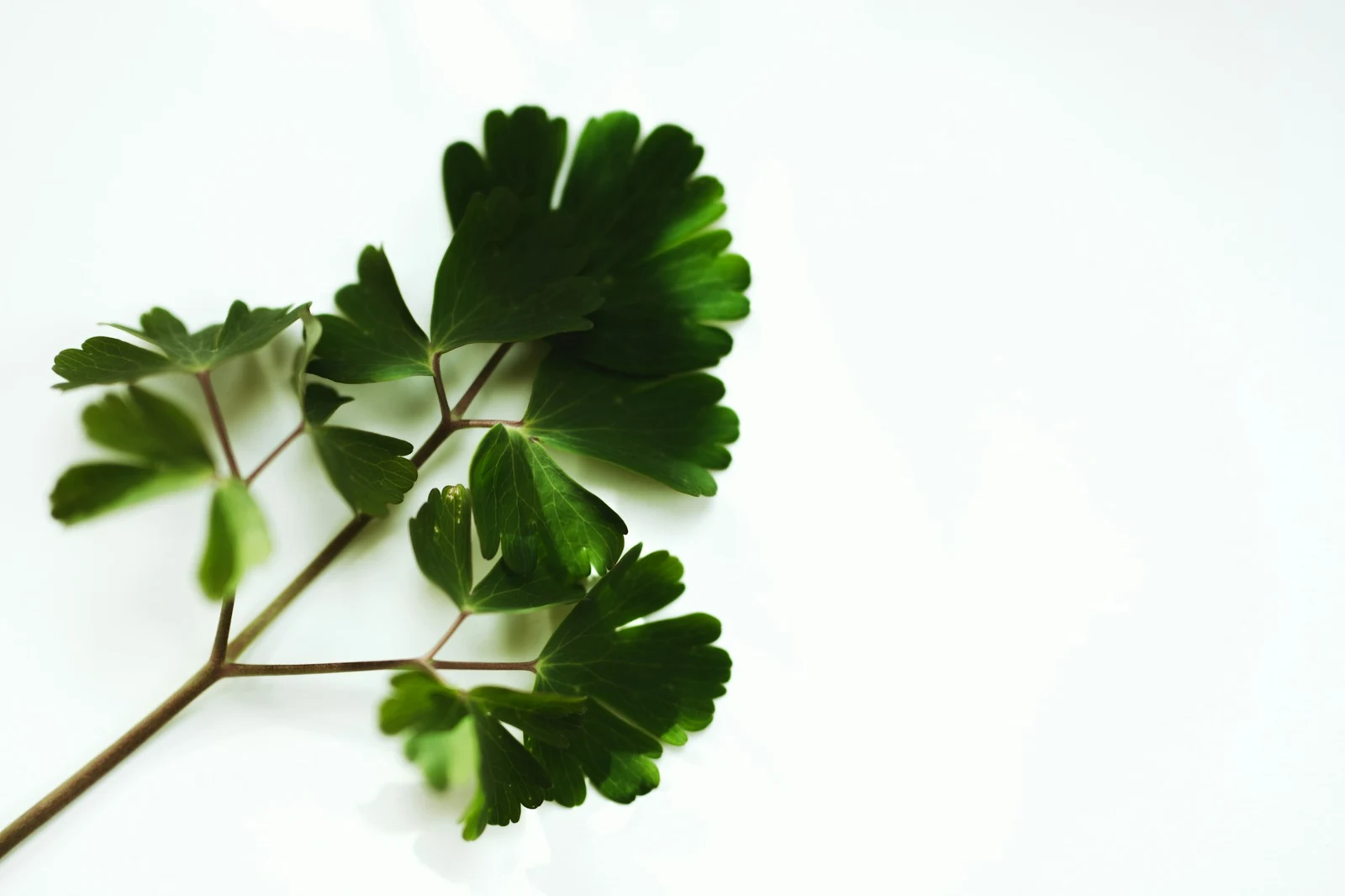 Parsley