Imported source research draft. Nutrition, health claims and linked references have not been independently verified.
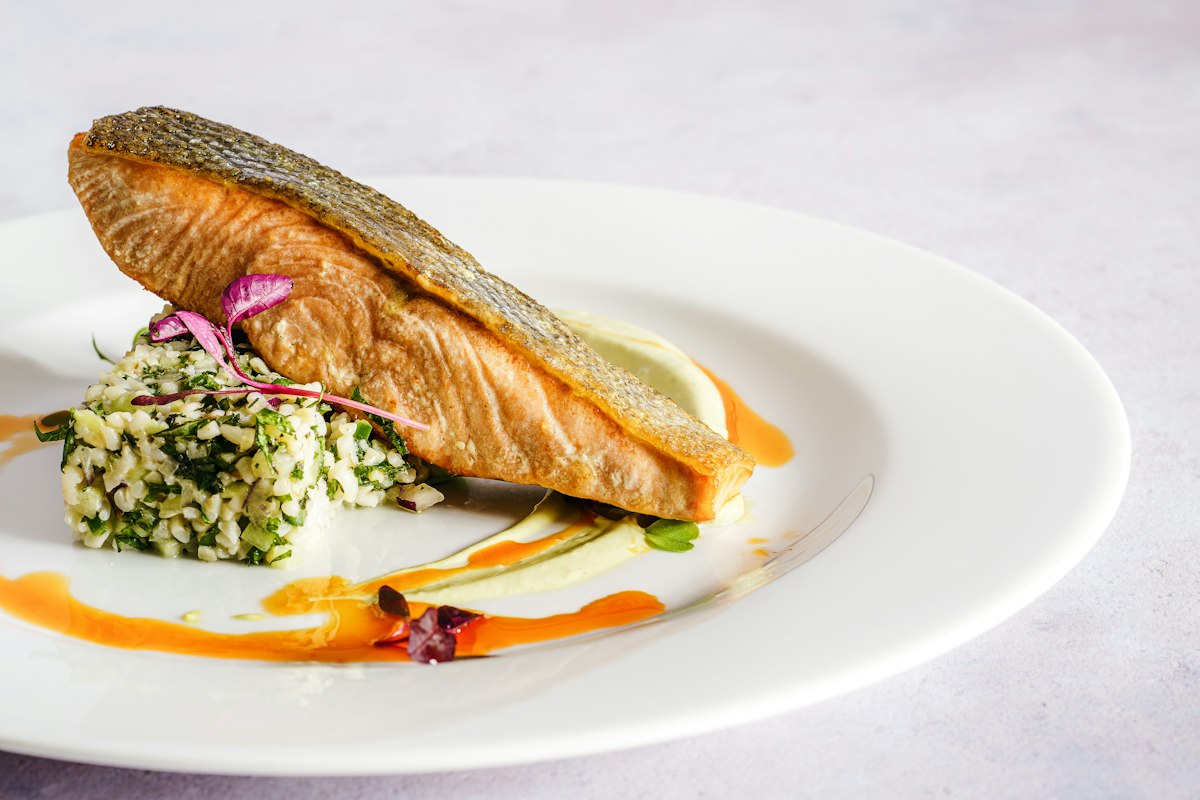
Original source illustration; may show a general food category.
Pink Salmon is the smallest of the Pacific salmon species, typically weighing 3-5 pounds. It is renowned for its delicate flavor and is often used in a variety of dishes including grilling, smoking, or canning. Pink Salmon has a lower fat content compared to other salmon varieties, making it a healthier choice.
Country stock records are private to assigned managers.
Food-waste calculator
Estimate food you can keep out of the bin by using or sharing it.
Potential food saved1 kg
If you use or share 1 kg of Pink Salmon instead of discarding it, that is 1 kg kept out of the bin.
This uses only your entered amount. It does not claim measured waste reduction or convert pieces and packs into invented weights.
Overview
Pink Salmon is the smallest of the Pacific salmon species, typically weighing 3-5 pounds. It is renowned for its delicate flavor and is often used in a variety of dishes including grilling, smoking, or canning. Pink Salmon has a lower fat content compared to other salmon varieties, making it a healthier choice.
Origin & history
ancient uses: Used by indigenous tribes as a primary food source.
region of origin: Pacific Northwest
country of origin: USA and Canada
historical timeline: year: 1800
event: First recorded catches of Pink Salmon.
year: 1900
event: Commercial canning of salmon started to gain popularity.
cultural significance: An important part of the diet and culture of many Pacific Northwest native groups.
traditional importance: Celebrated in various local festivals, particularly in fishing communities.
historical trade routes: Salmon was traded along coastal routes and inland through rivers.
Growing & production
climate: Temperate marine climate
harvesting: Caught via commercial fishing methods and also via aquaculture.
temperature: Prefer cooler waters between 12-15°C
growing season: Spring to Fall
harvest period: June to October
growing regions: North Pacific Ocean
Bering Sea
coastal waters of Alaska, Washington, Oregon, British Columbia
Pink Salmon is rich in Omega-3 fatty acids, which are beneficial for heart health, brain function, and reducing inflammation. It is also a good source of high-quality protein and essential vitamins and minerals including Vitamin D and Selenium.
Health notes
major: Rich in long-chain omega-3 fatty acids (EPA and DHA) that support heart and brain health.
High-quality complete protein plus vitamin D, iodine and selenium.
Two servings of fatty fish per week is linked to reduced cardiovascular risk.
evidence: Consensus among USDA, NIH and WHO reviews is that pink salmon contributes positively to a balanced eating pattern when consumed in appropriate portions.
Storage
freezing: Wrap tightly to prevent freezer burn.
shelf life: Fresh up to 2 days in the fridge; frozen up to 6 months.
refrigeration: Store at 0-4°C in a sealed container.
best practices: Keep tightly sealed
Consume by the expiration date
common mistakes: Refreezing thawed salmon
Storing uncovered in the refrigerator
storage methods: Refrigeration
Freezing
spoilage indicators: Off smell
Change in color
Preparation
cutting: Use a sharp knife to cut into fillets.
washing: Rinse gently under cold water.
cleaning: Remove scales with a fish scaler.
buying tips: Look for bright, moist flesh with no odor.
cooking methods: Grilling
Baking
Smoking
Searing
freshness indicators: Bright eyes
Firm flesh
seasonal buying guide: Best from June to September.
Practical tips
**Cleaning**
Remove scales with a fish scaler.
**Washing**
Rinse gently under cold water.
**Cutting**
Use a sharp knife to cut into fillets.
Recipes
name: Grilled Pink Salmon with Lemon
tags: grilled
healthy
seafood
tips: Serve with a side of grilled vegetables.
method: Preheat the grill to medium.
Drizzle salmon with olive oil.
Sprinkle with salt and pepper.
Place salmon on the grill, cook for 6-8 minutes per side.
Squeeze fresh lemon juice on top before serving.
region: Pacific Northwest
country: USA
cuisine: American
servings: 4
cook time: 15 mins
image url: https://example.com/grilled-salmon.jpg
nutrition: fat: 15
protein: 30
calories: 300
prep time: 10 mins
chef notes: Marinate for an hour for enhanced flavor.
difficulty: Easy
description: A healthy and delicious way to prepare Pink Salmon with a zesty lemon flavor.
ingredients: 4 fillets of Pink Salmon
2 lemons
Olive oil
Salt
Pepper
recipe source: Chef's Kitchen
suitable diets: Gluten-free
Low-carb
Transportation
packaging: Vacuum sealed or ice-packed.
shelf life: Fresh: 2 days in refrigeration; frozen: up to 6 months.
export handling: Must comply with international seafood safety standards.
shipping methods: Refrigerated trucks or shipping containers.
storage temperature: 0-4°C for fresh, -18°C for frozen.
cold chain requirements: Necessary to maintain freshness.
transportation constraints: Temperature must be continually monitored.
Sustainability
land use m2 per kg: 1
sustainable farming: Many farms practice sustainable aquaculture.
environmental impact: Overfishing has been a concern, but regulations are improving.
water footprint l per kg: 500
carbon footprint kgco2e per kg: 2.5
More about this food
Pink Salmon is the most abundant of the Pacific salmon species.
They have a distinct hump on their backs when spawning.
Most Pink Salmon are caught between June and October.
Source references
url: https://nutritionalsalmon.org
type: journal
year: 2022
title: Nutrition of Salmon Species
authors: Dr. John Doe
publisher: Nutritional Journal
Kerala & United States locality guides
Regional guides; these links do not establish local product availability.