Imported source research draft. Nutrition, health claims and linked references have not been independently verified.
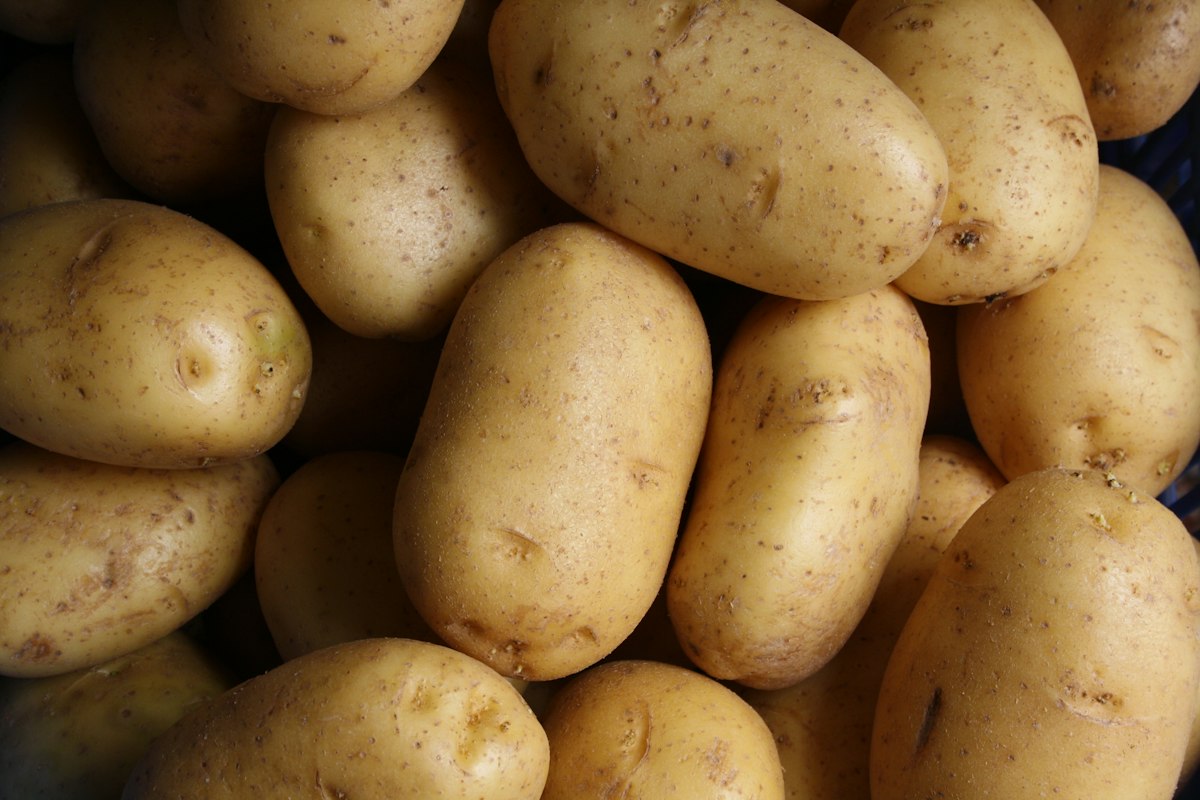
Original source illustration; may show a general food category.
Potatoes are a starchy tuber from the Solanaceae family, originally cultivated in the Andean region of South America. They are versatile and can be cooked in many ways ranging from boiling, roasting to frying.
Country stock records are private to assigned managers.
Food-waste calculator
Estimate food you can keep out of the bin by using or sharing it.
Potential food saved1 kg
If you use or share 1 kg of Potato instead of discarding it, that is 1 kg kept out of the bin.
This uses only your entered amount. It does not claim measured waste reduction or convert pieces and packs into invented weights.
Overview
Potatoes are a starchy tuber from the Solanaceae family, originally cultivated in the Andean region of South America. They are versatile and can be cooked in many ways ranging from boiling, roasting to frying.
Origin & history
ancient uses: Used as a staple food by indigenous peoples of the Andes.
region of origin: Andes
country of origin: Peru
historical timeline: year: 1536
event: Introduced to Europe by Spanish conquistadors.
year: 1845
event: The Great Potato Famine in Ireland.
cultural significance: Holds a vital place in various cuisines around the globe.
domestication history: First cultivated around 8,000 BC.
traditional importance: A food security crop in many developing countries.
historical trade routes: Trade routes extended from the Andes to Europe and later across the globe.
Growing & production
climate: Cool to moderate conditions, preferably around 15-20°C.
diseases: Late blight
Potato scab
rainfall: Regular rainfall, about 20 inches annually.
harvesting: Usually harvested 2-4 weeks after flowering.
irrigation: Regular irrigation is necessary in dry regions.
temperature: Optimal growing temperature is 15-20°C.
growing season: Typically 70 to 120 days depending on variety.
harvest period: Late summer to early fall.
yield per acre: Approximately 20,000 to 30,000 pounds.
growing regions: North America
Europe
Asia
pest management: Common pests include aphids and Colorado potato beetles.
planting methods: Seed potatoes are planted in rows.
soil requirements: Well-drained, loose, and fertile soil.
organic cultivation: Can be grown organically to reduce pesticide use.
fertilizer requirements: Balanced NPK fertilizers are beneficial.
Potatoes are rich in vitamins and minerals, especially potassium and vitamin C, which help maintain healthy blood pressure and immune function. They provide dietary fiber, which aids in digestion and promotes gut health. When prepared healthily, they can be part of a balanced diet.
Health notes
major: Rich in fibre, vitamins A and C, folate, potassium and plant polyphenols.
Low in calories and high in water content — supports weight management and hydration.
Regular vegetable intake is linked to lower rates of cardiovascular disease and type 2 diabetes.
evidence: Consensus among USDA, NIH and WHO reviews is that potato contributes positively to a balanced eating pattern when consumed in appropriate portions.
Storage
freezing: Can be frozen but may change texture.
shelf life: May last up to several months in ideal conditions.
dry storage: Ideal for long-term preservation.
refrigeration: Not for long-term storage.
best practices: Store in a cool, dark place.
Avoid washing before storage.
common mistakes: Storing in direct sunlight.
Overcrowding the storage area.
storage methods: Cool, dark storage
Refrigeration
spoilage indicators: Sprouting
Mold
Softness
Preparation
cutting: Cut to desired size before cooking.
peeling: Peel if desired, but skin adds nutrients.
washing: Rinse under cold water.
cleaning: Wash thoroughly to remove dirt.
buying tips: Choose firm potatoes with no sprouts.
cooking methods: Boiling
Roasting
Frying
Mashing
freshness indicators: Firm texture
No brown spots
seasonal buying guide: Best from late summer to early fall.
Practical tips
**Cleaning**
Wash thoroughly to remove dirt.
**Washing**
Rinse under cold water.
**Peeling**
Peel if desired, but skin adds nutrients.
**Cutting**
Cut to desired size before cooking.
Recipes
name: Mashed Potatoes
tags: side dish
potatoes
vegetarian
tips: Add garlic for extra flavor.
method: Peel and cut potatoes into chunks.
Boil in salted water until tender.
Drain and mash with milk and butter.
Season with salt and pepper.
region: North America
country: USA
cuisine: American
servings: 4
cook time: 20 mins
image url: https://example.com/mashed_potatoes.jpg
nutrition: fat: 5
carbs: 18
protein: 2
calories: 120
prep time: 15 mins
chef notes: Choose starchy potatoes for the best texture.
difficulty: Easy
description: Classic creamy mashed potatoes.
ingredients: 2 lbs potatoes
1/2 cup milk
4 tbsp butter
Salt to taste
Pepper to taste
recipe source: Family recipe
suitable diets: Vegetarian
Transportation
humidity: Humidity levels should be low to prevent sprouting.
packaging: Net bags or bulk containers.
shelf life: 3-6 months in optimal conditions.
shipping methods: Truck
Ship
Air
storage temperature: 4-10°C for best results.
cold chain requirements: Not essential, but beneficial to maintain quality.
Sustainability
climate resilience: Adaptation strategies are being researched.
land use m2 per kg: 1.2
sustainable farming: Integrates crop rotation to improve soil health.
environmental impact: Potato cultivation impacts land and water use.
organic certification: Available for some varieties.
regenerative agriculture: Practices increasing among growers.
water footprint l per kg: 500
carbon footprint kgco2e per kg: 0.075
More about this food
Potatoes were the first vegetable to be grown in space.
There are over 4,000 varieties of potatoes worldwide.
The world's largest potato was grown in 1994 and weighed 11 pounds.
Source references
url: https://example.com/potato-tech
type: report
year: 2020
title: Potato Production and Technology
authors: Smith, J.
publisher: Agriculture Department
Kerala & United States locality guides
Regional guides; these links do not establish local product availability.