Imported source research draft. Nutrition, health claims and linked references have not been independently verified.
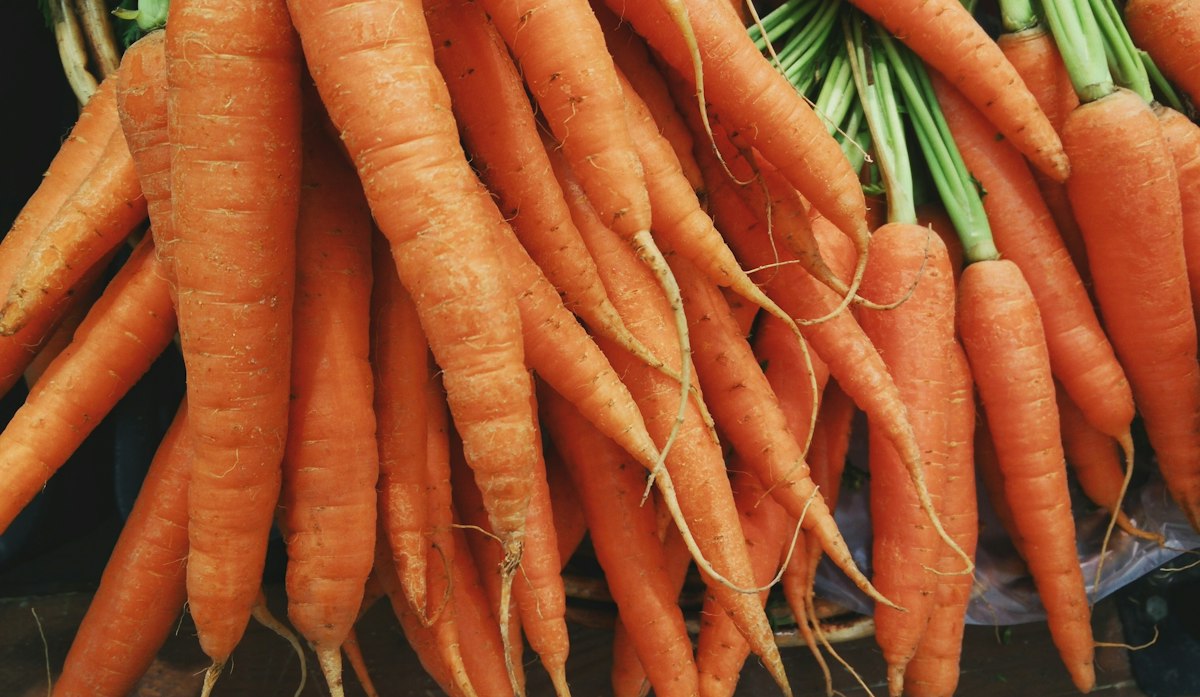
Original source illustration; may show a general food category.
Purple carrots are heirloom varieties that have been cultivated for centuries. They have a sweet, earthy flavor and are rich in antioxidants, particularly anthocyanins, which give them their distinctive color.
Country stock records are private to assigned managers.
Food-waste calculator
Estimate food you can keep out of the bin by using or sharing it.
Potential food saved1 kg
If you use or share 1 kg of Purple Carrot instead of discarding it, that is 1 kg kept out of the bin.
This uses only your entered amount. It does not claim measured waste reduction or convert pieces and packs into invented weights.
Overview
Purple carrots are heirloom varieties that have been cultivated for centuries. They have a sweet, earthy flavor and are rich in antioxidants, particularly anthocyanins, which give them their distinctive color.
Origin & history
ancient uses: Used for medicinal purposes, including treating digestive issues.
region of origin: Central Asia
country of origin: Afghanistan
historical timeline: year: 900
event: First recorded use of purple carrots.
cultural significance: Symbolizes fertility and abundance in some cultures.
domestication history: Purple carrots are believed to have been cultivated in Persia before the 10th century.
traditional importance: Used in various traditional dishes across Asia.
historical trade routes: Carrots were traded along the Silk Road.
Growing & production
climate: Temperate
diseases: Leaf blight
Root rot
rainfall: Moderate rainfall is required, about 2-3 cm per week.
harvesting: Harvested when roots are fully mature, approximately 70-80 days after planting.
irrigation: Drip irrigation is preferred to reduce water stress.
temperature: Optimal growing temperature is 15-20°C.
growing season: Spring to early summer.
harvest period: Late summer to fall.
yield per acre: 20-30 tons
growing regions: North America
Europe
Asia
pest management: Integrated pest management (IPM) techniques are recommended.
planting methods: Direct sowing in furrows.
soil requirements: Well-drained, sandy loam soils with a pH of 6.0 to 6.8.
organic cultivation: Possible with crop rotation and organic pest control.
fertilizer requirements: Needs balanced fertilizer with a high potassium ratio.
Purple carrots are rich in antioxidants, particularly anthocyanins, which have been linked to reduced inflammation and improved heart health. Their high fiber content can aid digestion and promote gut health.
Health notes
major: Rich in fibre, vitamins A and C, folate, potassium and plant polyphenols.
Low in calories and high in water content — supports weight management and hydration.
Regular vegetable intake is linked to lower rates of cardiovascular disease and type 2 diabetes.
evidence: Consensus among USDA, NIH and WHO reviews is that purple carrot contributes positively to a balanced eating pattern when consumed in appropriate portions.
Storage
freezing: Can be blanched and frozen for longer storage.
shelf life: Up to 3 weeks in the fridge.
refrigeration: Recommended to preserve freshness.
best practices: Store in a cool, dark place.
Keep away from ethylene-producing fruits.
common mistakes: Storing with fruits that emit ethylene gas.
storage methods: Refrigeration
Controlled atmosphere storage
spoilage indicators: Softness
Discoloration
controlled atmosphere storage: Effective in prolonging shelf life.
Preparation
cutting: Chop or slice as desired for various recipes.
peeling: Peeling is optional; the skin is nutritious.
washing: Wash thoroughly before eating or cooking.
cleaning: Rinse under cold water to remove soil and debris.
buying tips: Look for firm, vibrant carrots with no soft spots.
cooking methods: Roasting
Boiling
Steaming
Raw
freshness indicators: Bright color
Firm texture
seasonal buying guide: Best purchased in late summer to fall.
Practical tips
**Cleaning**
Rinse under cold water to remove soil and debris.
**Washing**
Wash thoroughly before eating or cooking.
**Peeling**
Peeling is optional; the skin is nutritious.
**Cutting**
Chop or slice as desired for various recipes.
Recipes
name: Roasted Purple Carrot Salad
tags: salad
roasted
healthy
tips: Can add nuts for crunch.
method: Preheat oven to 400°F (200°C).
Toss carrots with olive oil, salt, and pepper.
Roast for 25-30 minutes until tender.
Serve over mixed greens with balsamic vinegar.
region: California
country: USA
cuisine: American
cook time: 30 min
image url: https://example.com/image.jpg
nutrition: fat: 9
carbs: 15
protein: 1.5
calories: 150
prep time: 15 min
video url: https://example.com/video.mp4
chef notes: For extra flavor, add herbs such as thyme or rosemary.
difficulty: Easy
description: A vibrant salad featuring roasted purple carrots and a tangy dressing.
ingredients: 2 cups chopped purple carrots
1/4 cup olive oil
2 tablespoons balsamic vinegar
Salt and pepper to taste
Mixed greens
youtube url: https://youtube.com/example
recipe source: Food Network
suitable diets: Vegan
Transportation
humidity: 85-95% humidity for best storage conditions.
packaging: Cardboard boxes or breathable bags.
shelf life: 2-3 weeks in refrigeration.
export handling: Must comply with import regulations of destination countries.
shipping methods: Refrigerated trucks, air freight for exports.
storage temperature: 0-4°C.
cold chain requirements: Needed to maintain freshness during transport.
Sustainability
climate resilience: Adapts well to varying climates.
sustainable farming: Promotes biodiversity in planting.
environmental impact: Generally low, but practices vary by farm.
organic certification: Many growers are organic certified.
pollinator importance: Flowers attract beneficial insects.
regenerative agriculture: Practices are encouraged to enhance soil health.
More about this food
Purple carrots contain higher levels of antioxidants than orange carrots.
They were commonly grown in the Middle East and Asia before the orange carrot was developed.
Source references
url: https://journal.example.com
type: journal
year: 2023
title: Nutritional Profile of Purple Carrots
authors: Dr. Smith
publisher: Nutrition Journal
Kerala & United States locality guides
Regional guides; these links do not establish local product availability.