Imported source research draft. Nutrition, health claims and linked references have not been independently verified.
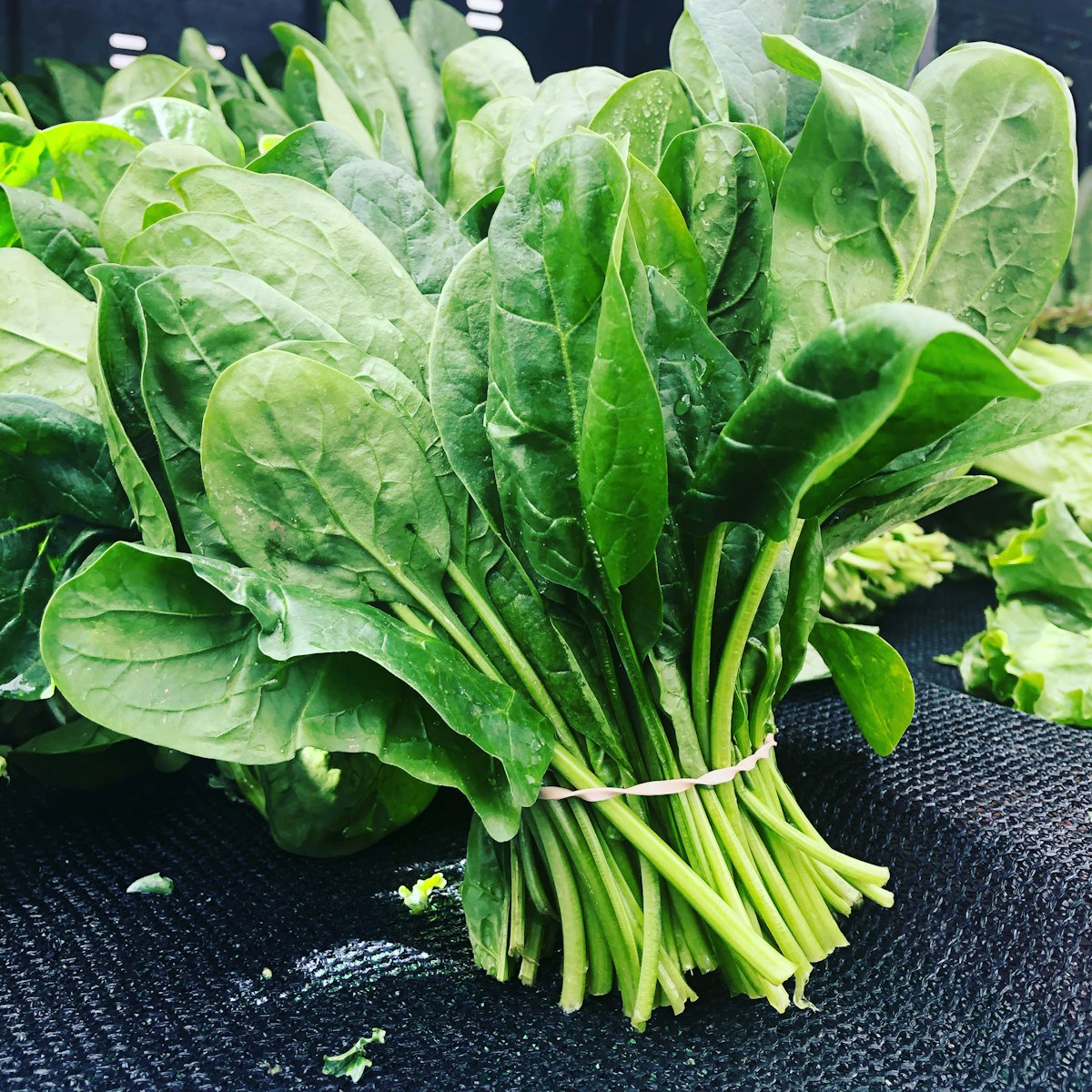
Original source illustration; may show a general food category.
Purslane is a fast-growing, leafy plant that can be found in gardens and as a common weed. It features fleshy, red stems and small, yellow flowers. Purslane is known for its high antioxidant content and is often used in salads, soups, and as a garnish.
Country stock records are private to assigned managers.
Food-waste calculator
Estimate food you can keep out of the bin by using or sharing it.
Potential food saved1 kg
If you use or share 1 kg of Purslane instead of discarding it, that is 1 kg kept out of the bin.
This uses only your entered amount. It does not claim measured waste reduction or convert pieces and packs into invented weights.
Overview
Purslane is a fast-growing, leafy plant that can be found in gardens and as a common weed. It features fleshy, red stems and small, yellow flowers. Purslane is known for its high antioxidant content and is often used in salads, soups, and as a garnish.
Origin & history
ancient uses: Used by ancient civilizations for both culinary and medicinal purposes.
region of origin: Eastern Mediterranean
country of origin: Middle East
historical timeline: year: -2000
event: Used in ancient Mesopotamian diets.
year: 1500
event: Introduced to Europe via trade routes.
year: 1800
event: Popularized in various regions as a culinary herb.
cultural significance: Regarded in some cultures as a valuable source of nutrition.
domestication history: Purslane has been cultivated since antiquity, dating back to ancient civilizations.
traditional importance: Commonly featured in Mediterranean cuisine, particularly in salads.
historical trade routes: Spread through trade along the Silk Road to Europe and Asia.
Growing & production
climate: Warm to temperate climates.
rainfall: Moderate rainfall is preferred; drought-tolerant.
harvesting: Harvest when leaves are young and tender.
irrigation: Minimal irrigation needed; drought resilient.
temperature: Thrives in temperatures between 20-30°C.
growing season: Spring to early Fall.
harvest period: 4-6 weeks after planting.
yield per acre: Approximately 3-5 tons.
growing regions: Mediterranean
Middle Eastern
Southeast Asia
pest management: Generally resistant to pests; occasional monitoring recommended.
planting methods: Direct sowing of seeds or transplanting seedlings.
soil requirements: Well-drained, sandy soils.
organic cultivation: Can be easily cultivated organically.
greenhouse production: Feasible in controlled environments.
fertilizer requirements: Requires low to moderate fertility.
Purslane is rich in antioxidants and beneficial fatty acids, contributing to heart health and reducing inflammation. It may aid digestion due to its high fiber content and can support skin health.
Health notes
major: Rich in fibre, vitamins A and C, folate, potassium and plant polyphenols.
Low in calories and high in water content — supports weight management and hydration.
Regular vegetable intake is linked to lower rates of cardiovascular disease and type 2 diabetes.
evidence: Consensus among USDA, NIH and WHO reviews is that purslane contributes positively to a balanced eating pattern when consumed in appropriate portions.
Storage
freezing: Can be blanched and frozen for later use.
shelf life: 1-2 weeks in the refrigerator.
refrigeration: Best used fresh; can be stored in the fridge.
best practices: Store in a cool, dry place.
Avoid moisture.
common mistakes: Storing too wet.
Exposing to heat.
storage methods: Refrigeration
Freezing
spoilage indicators: Softening leaves
Yellowing
Preparation
cutting: Trim off thick stems before use.
washing: Ensure all soil is washed from stems and leaves.
cleaning: Rinse under cool water to remove dirt.
buying tips: Look for fresh, vibrant leaves; avoid wilted ones.
cooking methods: Sautéing
Steaming
Raw in salads
freshness indicators: Firm leaves
Bright color
seasonal buying guide: Best available in summer months.
Practical tips
**Cleaning**
Rinse under cool water to remove dirt.
**Washing**
Ensure all soil is washed from stems and leaves.
**Cutting**
Trim off thick stems before use.
Recipes
name: Purslane Salad
tags: salad
fresh
Mediterranean
tips: Serve chilled.
method: Wash the purslane and tomatoes.
Combine in a bowl.
Drizzle with olive oil, and add salt and pepper.
Top with feta cheese.
region: Mediterranean
country: Greece
cuisine: Mediterranean
servings: 4
cook time: 0 minutes
image url: https://example.com/images/purslane-salad.jpg
prep time: 10 minutes
chef notes: Can substitute feta with goat cheese.
difficulty: Easy
description: A refreshing salad featuring fresh purslane with tomatoes and feta cheese.
ingredients: 1 cup of purslane
1 tomato, diced
100g feta cheese
Olive oil
Salt
Pepper
recipe source: Local Greek Cook
suitable diets: Vegetarian
Transportation
packaging: Typically packaged in breathable containers.
shelf life: 1-2 weeks under proper storage conditions.
export handling: Requires careful handling to prevent bruising.
shipping methods: Air and ground transport.
storage temperature: Ideal storage temperature is 0-4°C.
cold chain requirements: May require refrigeration for longer shelf life.
Sustainability
climate resilience: Adapts well to changing climates.
sustainable farming: Practiced in many regions; minimal water needs.
environmental impact: Low; helps prevent soil erosion.
organic certification: Readily grown under organic conditions.
pollinator importance: Attracts beneficial insects.
regenerative agriculture: Possibly integrated into regenerative systems.
More about this food
Purslane is one of the richest sources of omega-3 fatty acids among plant foods.
It has been consumed for thousands of years in various cuisines around the world.
Purslane can grow in a variety of weather conditions, making it a resilient plant.
Source references
url: https://example.com/nutrition
type: journal
year: 2022
title: The Nutritional Value of Purslane
authors: Doe, J. & Smith, A.
publisher: Journal of Agricultural Science
Kerala & United States locality guides
Regional guides; these links do not establish local product availability.