Imported source research draft. Nutrition, health claims and linked references have not been independently verified.
Original source illustration; may show a general food category.
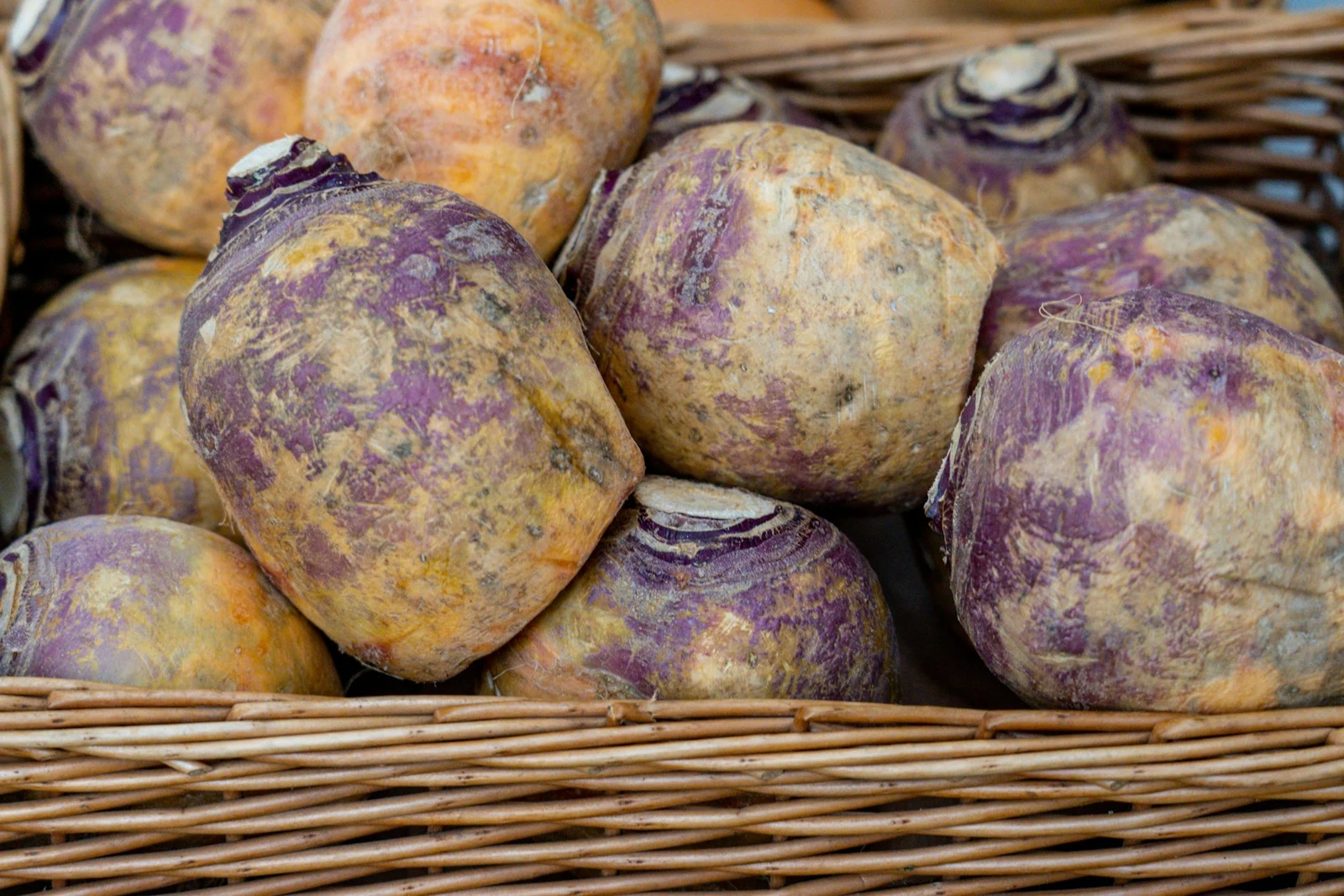
Rutabaga is a root vegetable that is a cross between a cabbage and a turnip. It has a round shape and a yellow-orange or purple skin, with a sweet and earthy flavor. It is often used in soups, stews, and mashed dishes.
Country stock records are private to assigned managers.
Food-waste calculator
Estimate food you can keep out of the bin by using or sharing it.
Potential food saved1 kg
If you use or share 1 kg of Rutabaga instead of discarding it, that is 1 kg kept out of the bin.
This uses only your entered amount. It does not claim measured waste reduction or convert pieces and packs into invented weights.
Rutabaga is a root vegetable that is a cross between a cabbage and a turnip. It has a round shape and a yellow-orange or purple skin, with a sweet and earthy flavor. It is often used in soups, stews, and mashed dishes.
Origin & history
ancient uses: Originally used in ancient times as animal fodder before becoming a human food source.
region of origin: Northern Europe
country of origin: Sweden
historical timeline: year: 1600
event: Rutabaga cultivated as a food crop in Sweden.
year: 1800
event: Introduced to North America by European settlers.
cultural significance: Considered a staple food by many Northern European societies, especially during winter.
domestication history: Thought to have been domesticated in Scandinavia in the 17th century.
traditional importance: Used in traditional recipes like haggis in Scotland.
Growing & production
climate: Cool temperate climates with plenty of sunlight.
diseases: Downy mildew
Black rot
rainfall: Approximately 25-40 inches per year.
harvesting: Harvest when the roots are firm and mature, typically in late fall.
irrigation: Requires regular watering, especially in dry spells.
temperature: Ideal growing temperatures are between 60°F and 70°F.
growing season: Spring to Fall, with preference for fall harvest.
harvest period: Mid to late fall.
yield per acre: 15-20 tons
growing regions: Northern Europe
North America
pest management: Common pests include aphids and root maggots.
planting methods: Seed direct sowing, transplanting seedlings.
soil requirements: Well-drained, loamy soil rich in organic matter.
organic cultivation: Compatible with organic practices, including crop rotation.
fertilizer requirements: Beneficial to use organic compost or balanced fertilizers.
Nutrition draft
per 100g: fat g: 0.1
carbs g: 18
fiber g: 2.2
iron mg: 0.7
sugar g: 4.5
water g: 89
zinc mg: 0.5
calories: 81
protein g: 1.2
sodium mg: 6
calcium mg: 50
folate mcg: 13
magnesium mg: 15
potassium mg: 350
vitamin a iu: 0
vitamin c mg: 30
vitamin k mcg: 0
saturated fat g: 0
per serving: fat g: 0.2
carbs g: 27
calories: 122
protein g: 1.8
serving size: 1 cup (150g)
glycemic index: 62
Nutrition notes
Rutabaga is rich in antioxidants and vitamins, contributing to overall wellness. It is known to support immune function, promote healthy digestion, and aid in weight management. Rich in fiber, it can help maintain digestive health and may assist in lowering blood pressure due to its potassium content.
Health notes
major: Rich in fibre, vitamins A and C, folate, potassium and plant polyphenols.
Low in calories and high in water content — supports weight management and hydration.
Regular vegetable intake is linked to lower rates of cardiovascular disease and type 2 diabetes.
evidence: Consensus among USDA, NIH and WHO reviews is that rutabaga contributes positively to a balanced eating pattern when consumed in appropriate portions.
Storage
freezing: Can be blanched and frozen, but texture may be affected.
shelf life: Up to 3 months in cool storage.
refrigeration: Extends freshness significantly.
best practices: Remove greens before storage
Keep dry
common mistakes: Storing in direct sunlight
Moist storage conditions
storage methods: Root cellar
Refrigerator
Cool dark place
spoilage indicators: Softness
Discoloration
Preparation
cutting: Cut into even pieces for consistent cooking.
peeling: Peel before cooking, especially if skin is tough.
washing: Use a brush to scrub the skin after cleaning.
cleaning: Wash thoroughly under cold water to remove soil.
buying tips: Choose firm, heavy roots without soft spots.
cooking methods: Boiling
Roasting
Mashing
freshness indicators: Firm texture, vivid color.
seasonal buying guide: Best when purchased in late fall through winter.
Practical tips
**Cleaning**
Wash thoroughly under cold water to remove soil.
**Washing**
Use a brush to scrub the skin after cleaning.
**Peeling**
Peel before cooking, especially if skin is tough.
**Cutting**
Cut into even pieces for consistent cooking.
Recipes
name: Rutabaga Mash
tags: Mash
Side Dish
Vegetarian
tips: Use a mixer for a smoother texture.
method: Peel and cube rutabagas.
Boil in salted water until tender.
Drain and mash with butter and cream.
Season to taste.
region: Midwest
country: United States
cuisine: American
servings: 4
cook time: 30 minutes
image url: https://example.com/images/rutabaga_mash.jpg
nutrition: per serving: fat g: 6
carbs g: 24
fiber g: 4
calories: 154
protein g: 2
prep time: 15 minutes
video url: https://example.com/videos/rutabaga_mash.mp4
chef notes: Consider sprinkling some chives for garnish.
difficulty: Easy
description: A comforting mashed dish made with rutabaga, butter, and cream.
ingredients: 2 rutabagas
4 tbsp butter
1/2 cup heavy cream
Salt and pepper to taste
recipe source: Food Network
suitable diets: Vegetarian
Transportation
humidity: Should be kept in relative humidity of 90-95%.
packaging: Bulk bins or crates for larger shipments; plastic bags for retail.
shelf life: Typically lasts 1-3 months in proper storage.
shipping methods: Road transport is common; some air freight for international shipment.
storage temperature: Ideal is between 32°F and 40°F.
cold chain requirements: Minimal; can be transported at ambient temperatures.
Sustainability
climate resilience: Drought tolerant once established.
sustainable farming: Encourages crop rotation and soil health.
environmental impact: Generally low in environmental impact compared to other vegetables.
organic certification: Available for growers adhering to organic standards.
pollinator importance: Fields can attract beneficial pollinators.
regenerative agriculture: Can be part of regenerative agricultural practices.
More about this food
Rutabaga is high in fiber and vitamin C.
It can grow to be over 10 pounds in weight.
Rutabaga is often used as animal feed in addition to human consumption.
Source references
url: https://fdc.nal.usda.gov/fdc-app.html#/food-details/169235/nutrients
type: report
year: 2022
title: Nutritional Value of Rutabaga
publisher: USDA
Kerala & United States locality guides
Regional guides; these links do not establish local product availability.

 Rutabaga - Swede - Neep