Imported source research draft. Nutrition, health claims and linked references have not been independently verified.
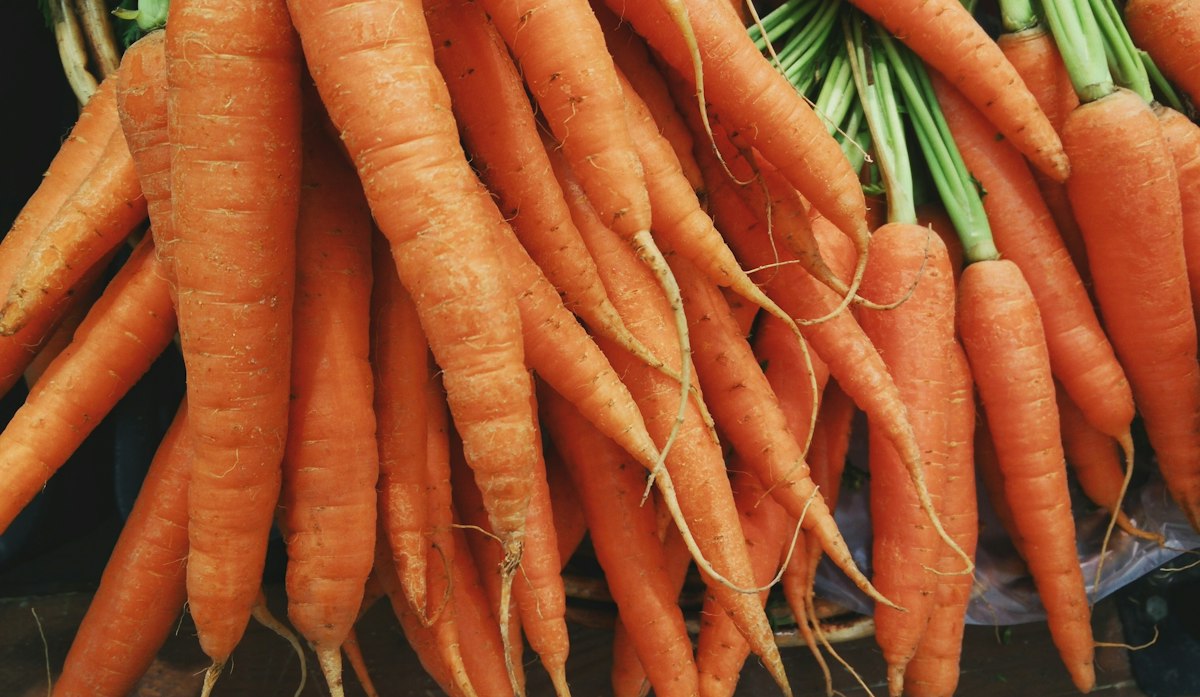
Original source illustration; may show a general food category.
Salsify, also known as oyster plant, is a biennial plant that produces a long, edible root, which has a flavor reminiscent of oysters, making it a unique ingredient in various dishes. The plant features long, lanceolate leaves and is commonly grown in gardens.
Country stock records are private to assigned managers.
Food-waste calculator
Estimate food you can keep out of the bin by using or sharing it.
Potential food saved1 kg
If you use or share 1 kg of Salsify instead of discarding it, that is 1 kg kept out of the bin.
This uses only your entered amount. It does not claim measured waste reduction or convert pieces and packs into invented weights.
Overview
Salsify, also known as oyster plant, is a biennial plant that produces a long, edible root, which has a flavor reminiscent of oysters, making it a unique ingredient in various dishes. The plant features long, lanceolate leaves and is commonly grown in gardens.
Origin & history
ancient uses: The root was used by the Greeks as a food source and by early Europeans as a vegetable.
region of origin: Mediterranean
country of origin: Turkey
historical timeline: year: 1500
event: Salsify introduced to Europe.
year: 1600
event: Became popular among French gardeners.
cultural significance: Salsify holds cultural significance in various European cuisines, particularly in France.
domestication history: Salsify has been cultivated since ancient times, primarily in Mediterranean regions.
traditional importance: Once a staple in European diets, its popularity has dwindled in modern times.
historical trade routes: Salsify was traded along Mediterranean trade routes.
Growing & production
climate: Temperate
rainfall: Moderate
harvesting: Roots are harvested in late autumn after a frost.
irrigation: Requires regular watering, especially in dry months.
temperature: Optimal growth at 15-20°C (59-68°F)
growing season: 2 years, harvested in the second year.
harvest period: Late fall to early winter
yield per acre: Approximately 1000-3000 kg
growing regions: Europe
North America
Asia
pest management: Regular monitoring for pests like aphids and root maggots.
planting methods: Direct sowing into prepared beds.
soil requirements: Well-drained, sandy loam
organic cultivation: Easily grown organically.
fertilizer requirements: Light fertilization with organic matter.
Nutrition draft
per 100g: fat g: 0.1
carbs g: 16.7
fiber g: 3.5
iron mg: 0.5
sugar g: 4.7
water g: 73
zinc mg: 0.4
calories: 73
protein g: 2.6
sodium mg: 1
calcium mg: 56
folate mcg: 24
magnesium mg: 23
potassium mg: 366
vitamin a iu: 5
vitamin c mg: 17
vitamin k mcg: 1.4
saturated fat g: 0
per serving: fat g: 0.1
carbs g: 16.7
calories: 73
protein g: 2.6
serving size: 100g
Nutrition notes
Salsify is rich in inulin, a type of soluble fiber that can aid digestion and support gut health. Its high potassium content may help maintain healthy blood pressure levels. Additionally, salsify has been valued traditionally for its potential anti-inflammatory properties.
Health notes
major: Rich in fibre, vitamins A and C, folate, potassium and plant polyphenols.
Low in calories and high in water content — supports weight management and hydration.
Regular vegetable intake is linked to lower rates of cardiovascular disease and type 2 diabetes.
evidence: Consensus among USDA, NIH and WHO reviews is that salsify contributes positively to a balanced eating pattern when consumed in appropriate portions.
Storage
shelf life: 1-2 weeks in the refrigerator.
refrigeration: Best stored in the fridge to maintain quality.
best practices: Keep in a cool, dark place
Avoid washing before storage
common mistakes: Storing in plastic bags
Left in direct sunlight
storage methods: Refrigeration
Root cellaring
spoilage indicators: Softness
Discoloration
Preparation
cutting: Cut into even pieces for uniform cooking.
peeling: Peel the skin before cooking.
washing: Soak if heavily soiled.
cleaning: Rinse under cold water to remove soil.
buying tips: Choose firm roots without blemishes.
cooking methods: Boiling
Steaming
Roasting
Frying
freshness indicators: Firmness
No wrinkles
seasonal buying guide: Best to buy in late fall and early winter.
Practical tips
**Cleaning**
Rinse under cold water to remove soil.
**Washing**
Soak if heavily soiled.
**Peeling**
Peel the skin before cooking.
**Cutting**
Cut into even pieces for uniform cooking.
Recipes
name: Sautéed Salsify
tags: vegetable
salsify
sautéed
tips: Serve with a squeeze of lemon.
method: Peel and slice salsify.
Sauté garlic in oil until fragrant.
Add salsify, season, and cook till tender.
region: Provence
country: France
cuisine: French
servings: 4
cook time: 15 minutes
image url: https://example.com/salsify_image.jpg
nutrition: fat: 5
carbs: 15
protein: 3
calories: 120
prep time: 10 minutes
chef notes: Best enjoyed fresh.
difficulty: Easy
description: Simple sautéed salsify with garlic and herbs.
ingredients: 500g salsify
2 cloves garlic
2 tbsp olive oil
Salt
Pepper
Fresh parsley
recipe source: Chef Jean
suitable diets: Vegetarian
Gluten-free
Transportation
humidity: Moderate humidity levels preferred.
packaging: Packed in breathable bags to prevent moisture buildup.
shelf life: Approximately 1-2 weeks in optimal conditions.
shipping methods: Truck, rail.
storage temperature: 0-5°C (32-41°F)
cold chain requirements: Not necessary but recommended for freshness.
transportation constraints: Careful handling necessary to avoid root damage.
Sustainability
climate resilience: Resilient to mild climate variations.
sustainable farming: Salsify is often grown in a sustainable manner, being resistant to pests, which reduces pesticide use.
organic certification: Available organic salsify is grown without synthetic fertilizers or pesticides.
pollinator importance: Pollinators are essential for the flowering stages of salsify.
regenerative agriculture: Promotes soil health through traditional farming practices.
More about this food
Salsify was popular in Europe during the 19th century but is less known today.
The root can be prepared in various ways, including boiling, frying, or baking.
Source references
url: https://nutritionjournal.com/salsify
type: journal
year: 2021
title: The Nutritional Value of Salsify
authors: Dr. Jane Doe
publisher: Nutrition Journal
Kerala & United States locality guides
Regional guides; these links do not establish local product availability.