Imported source research draft. Nutrition, health claims and linked references have not been independently verified.
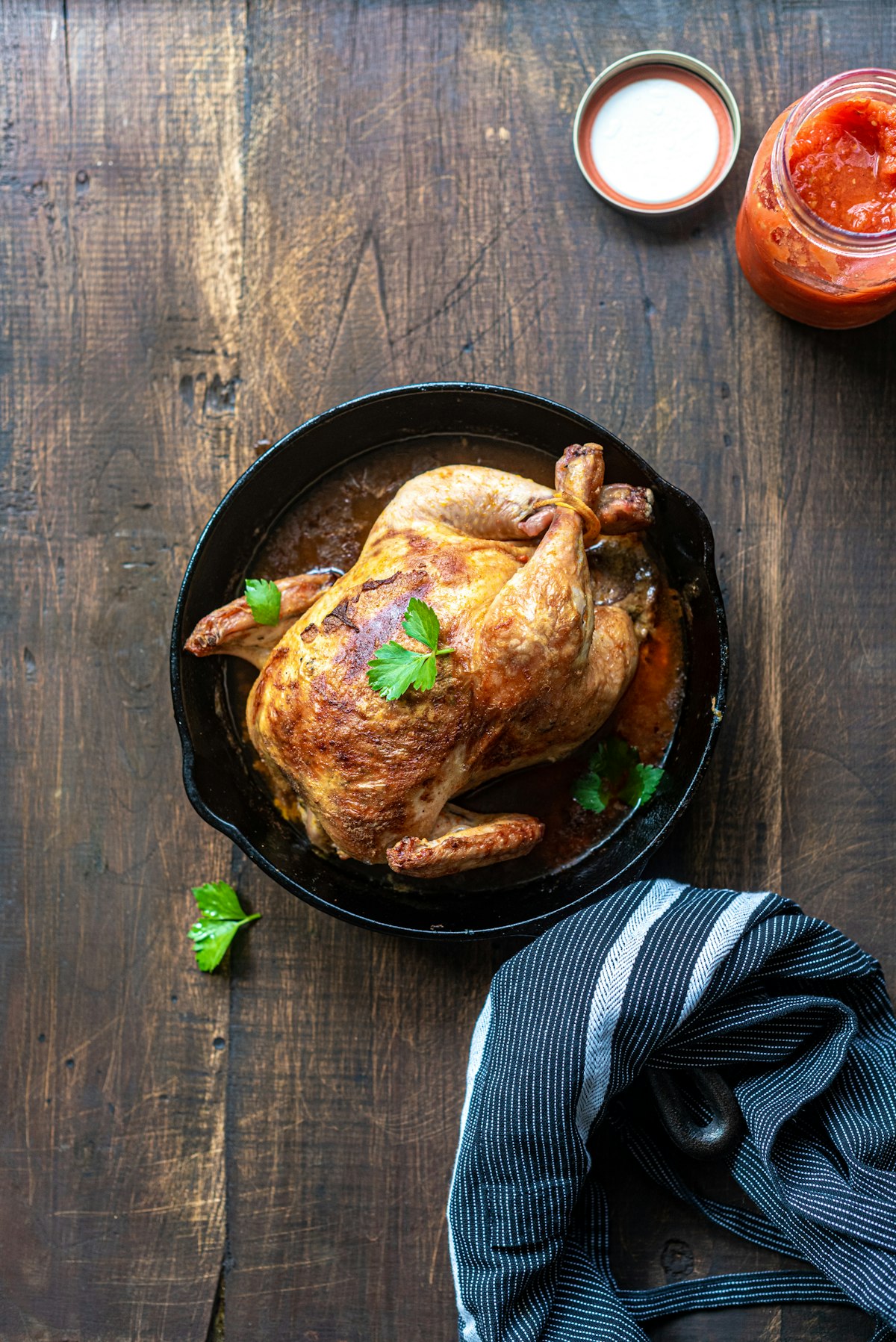
Original source illustration; may show a general food category.
Silkie chickens are a bantam breed characterized by their soft, fluffy feathers that resemble fur. They have a distinctive appearance with a small comb, dark skin, and blue earlobes. They are often kept as pets and for ornamental purposes but are also known for their tender meat.
Country stock records are private to assigned managers.
Food-waste calculator
Estimate food you can keep out of the bin by using or sharing it.
Potential food saved1 kg
If you use or share 1 kg of Silkie Chicken instead of discarding it, that is 1 kg kept out of the bin.
This uses only your entered amount. It does not claim measured waste reduction or convert pieces and packs into invented weights.
Overview
Silkie chickens are a bantam breed characterized by their soft, fluffy feathers that resemble fur. They have a distinctive appearance with a small comb, dark skin, and blue earlobes. They are often kept as pets and for ornamental purposes but are also known for their tender meat.
Origin & history
ancient uses: Utilized for cockfighting and as ornamental birds in Chinese royalty.
region of origin: Eastern China
country of origin: China
historical timeline: year: 1500
event: First documented in China.
cultural significance: Considered a symbol of luxury in historical Chinese culture.
domestication history: Domesticated for centuries, they are believed to have been kept by Asian civilizations for their unique appearance and meat quality.
historical trade routes: Silkie chickens were traded along routes connecting China to Europe.
Growing & production
climate: Temperate to subtropical regions are ideal.
harvesting: Can be harvested for meat at approximately 20-30 weeks old.
temperature: Prefer warm temperatures, but can adapt.
growing season: Year-round in appropriate climates.
harvest period: Year-round.
growing regions: China
United States
United Kingdom
organic cultivation: Possible with natural feed.
Nutrition draft
per 100g: fat g: 15
carbs g: 0
fiber g: 0
iron mg: 1.2
sugar g: 0
water g: 68
zinc mg: 1
calories: 215
protein g: 18
sodium mg: 70
calcium mg: 15
magnesium mg: 25
potassium mg: 250
vitamin a iu: 250
vitamin c mg: 0
saturated fat g: 4
per serving: fat g: 15
carbs g: 0
calories: 215
protein g: 18
serving size: 100g
Nutrition notes
Silkie chicken meat is rich in protein and contains essential vitamins and minerals that support general health. Its unique dark skin is rich in antioxidants and is considered beneficial for immunity and overall wellness.
Health notes
major: Lean, complete protein — supports muscle, bone and skin health.
Good source of niacin, vitamin B6, phosphorus and selenium.
Skinless cuts keep saturated fat low without sacrificing flavour.
evidence: Consensus among USDA, NIH and WHO reviews is that silkie chicken contributes positively to a balanced eating pattern when consumed in appropriate portions.
Storage
freezing: Can be frozen for long-term storage.
shelf life: Refrigerated silkie can last about 1 week; frozen up to several months.
refrigeration: Store at temperatures between 0-4°C.
best practices: Use within a week of purchase
Cook thoroughly
common mistakes: Not checking for spoilage
Improper freezing leading to freezer burn
storage methods: Refrigeration
Freezing
spoilage indicators: Foul odor
Slimy texture
Preparation
cutting: Use a sharp knife for clean cuts.
washing: Use clean hands and utensils when handling.
cleaning: Rinse thoroughly under cold water.
buying tips: Look for bright skin and no foul odor.
cooking methods: Grilling
Roasting
Steaming
freshness indicators: Firm texture
Bright skin
seasonal buying guide: Best sourced when local farms have surplus.
Practical tips
**Cleaning**
Rinse thoroughly under cold water.
**Washing**
Use clean hands and utensils when handling.
**Cutting**
Use a sharp knife for clean cuts.
Recipes
name: Silkie Chicken Soup
tags: soup
chicken
traditional
tips: Use fresh herbs for better flavor.
method: Bring water to a boil in a pot.
Add the chicken and ginger. Simmer for about 45 mins.
Add green onions and salt before serving.
region: Various
country: China
cuisine: Chinese
servings: 4
cook time: 1 hour
image url: https://example.com/silkie_chicken_soup.jpg
nutrition: calories: 150
protein g: 18
prep time: 15 mins
video url: https://youtube.com/example
chef notes: Silkie chicken adds an excellent depth of flavor.
difficulty: Easy
description: A comforting soup with tender silkie chicken and traditional herbs.
ingredients: 1 whole silkie chicken
2 liters water
1 piece ginger
2 green onions
Salt to taste
youtube url: https://youtube.com/example
recipe source: Traditional Chinese Cookbook
suitable diets: Paleo
Gluten-free
Transportation
packaging: Ventilated crates or cages for safe transport.
shelf life: Best consumed fresh within a few days of slaughter.
shipping methods: Air freight more common for live birds.
storage temperature: Keep at 0-4°C for best preservation.
cold chain requirements: Preferred for long-distance transportation.
transportation constraints: Live animal transport regulations apply.
Sustainability
sustainable farming: Practices can be sustainable if free-range or organic.
environmental impact: Less known due to niche market.
organic certification: Possible with appropriate practices.
More about this food
Silkies are known for their peaceful nature and are often kept as pets.
They have black skin and bones, a result of a genetic mutation.
Silkie chickens are excellent brooders and can hatch eggs for other birds.
Source references
url: https://poultryassociation.org/silkie
type: journal
year: 2022
title: Silkie Chicken: A Cultural Gem
authors: Dr. Jane Smith
publisher: International Poultry Association
Kerala & United States locality guides
Regional guides; these links do not establish local product availability.