Imported source research draft. Nutrition, health claims and linked references have not been independently verified.
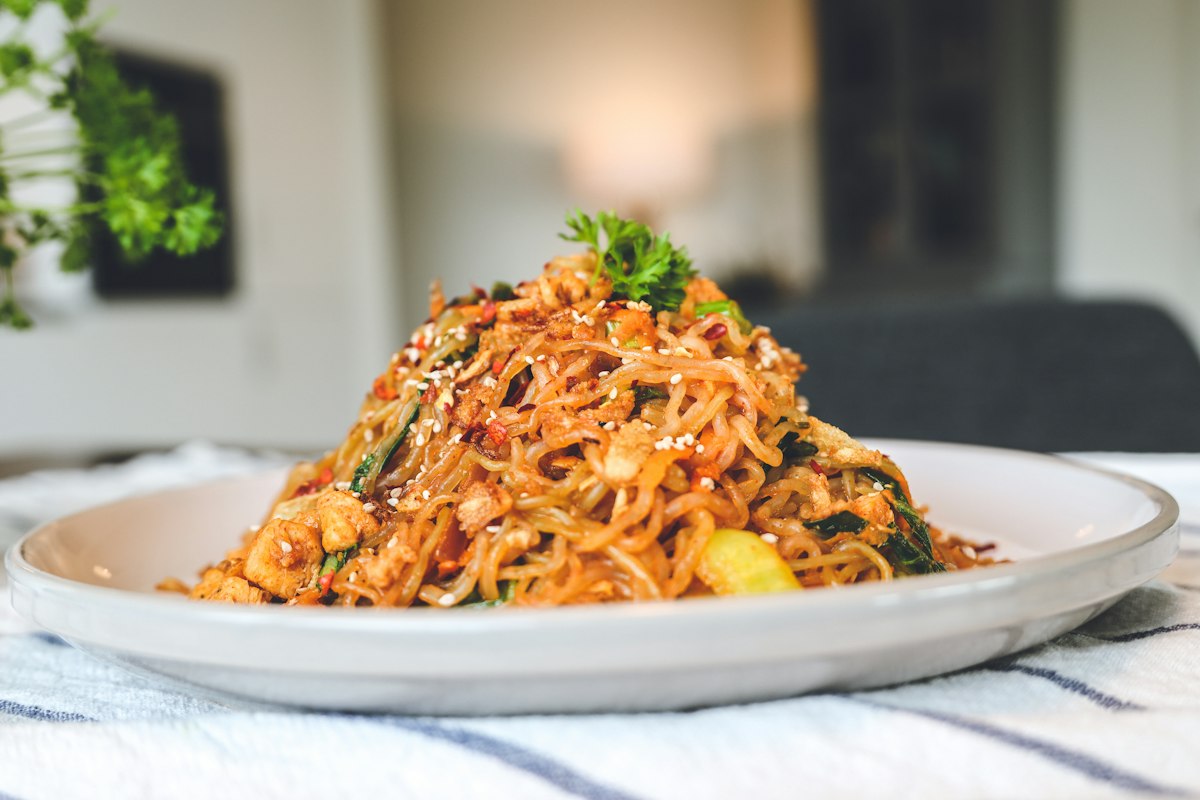
Original source illustration; may show a general food category.
Squid tubes, also known as calamari, are the edible parts of squid, characterized by their unique texture and ability to absorb flavors. Often deep-fried, grilled, or stuffed, they are enjoyed worldwide in various dishes.
Country stock records are private to assigned managers.
Food-waste calculator
Estimate food you can keep out of the bin by using or sharing it.
Potential food saved1 kg
If you use or share 1 kg of Squid Tubes instead of discarding it, that is 1 kg kept out of the bin.
This uses only your entered amount. It does not claim measured waste reduction or convert pieces and packs into invented weights.
Overview
Squid tubes, also known as calamari, are the edible parts of squid, characterized by their unique texture and ability to absorb flavors. Often deep-fried, grilled, or stuffed, they are enjoyed worldwide in various dishes.
Origin & history
ancient uses: Used as food in various coastal civilizations.
region of origin: Pacific Ocean
country of origin: Japan
historical timeline: year: 5000
event: Early forms of squid were consumed in ancient coastal communities.
year: 1600
event: Introduced to European cuisine during the Age of Exploration.
cultural significance: Squid is a staple in Mediterranean and Asian diets, symbolizing nutrition and taste.
domestication history: Squid has been harvested from the wild and used in cooking for centuries.
traditional importance: Integral to many cultural dishes, particularly in Mediterranean countries.
historical trade routes: Traded along the Silk Road and various maritime routes.
Growing & production
climate: Temperate to tropical
harvesting: Wild-caught and farmed fishing.
temperature: 15-20°C
growing season: Year-round
harvest period: All year round depending on fishing regulations.
growing regions: Atlantic Ocean
Mediterranean Sea
Pacific Ocean
Nutrition draft
per 100g: fat g: 1.4
carbs g: 3.1
fiber g: 0
iron mg: 0.7
sugar g: 0
water g: 80
zinc mg: 0.9
calories: 92
omega3 g: 0.1
omega6 g: 0.1
protein g: 16.2
sodium mg: 60
calcium mg: 30
folate mcg: 0
magnesium mg: 30
potassium mg: 380
vitamin a iu: 0
vitamin c mg: 0
vitamin k mcg: 0
saturated fat g: 0.2
per serving: fat g: 1.4
carbs g: 3.1
calories: 92
protein g: 16.2
serving size: 100g
Nutrition notes
Squid tubes are a low-calorie, high-protein seafood option that provides essential nutrients like vitamin B12 and omega-three fatty acids. They support heart health and muscle growth. Eating calamari can also contribute to improved eye health due to their antioxidant properties.
Health notes
major: Excellent lean protein plus iodine, selenium, zinc and vitamin B12.
Low in saturated fat and calories, making it a heart-friendly protein choice.
Some varieties (oysters, mussels) are exceptional sources of zinc and iron.
evidence: Consensus among USDA, NIH and WHO reviews is that squid tubes contributes positively to a balanced eating pattern when consumed in appropriate portions.
Storage
freezing: Can be stored for up to 6 months frozen.
shelf life: Fresh: 2-3 days; Frozen: 6 months.
refrigeration: Store at 0-4°C.
best practices: Keep it airtight
Use ice packs during transport
common mistakes: Not refrigerating soon enough
Freezing without proper packaging
storage methods: Refrigeration
Freezing
spoilage indicators: Foul smell
Slimy texture
Preparation
cutting: Slice into rings for traditional preparation, or keep whole for grilling.
peeling: Remove the skin if preferred, though it is edible.
washing: Wash thoroughly before cooking.
cleaning: Rinse under cold water to remove any sand or debris.
buying tips: Choose firm, plump squid with a fresh ocean smell.
cooking methods: Grilling
Frying
Braising
freshness indicators: Clear eyes
Bright skin
seasonal buying guide: Best purchased in colder months when plentiful.
Practical tips
**Cleaning**
Rinse under cold water to remove any sand or debris.
**Washing**
Wash thoroughly before cooking.
**Peeling**
Remove the skin if preferred, though it is edible.
**Cutting**
Slice into rings for traditional preparation, or keep whole for grilling.
Recipes
name: Fried Calamari
tags: Fried
Appetizer
Seafood
tips: Serve immediately for best texture.
method: Clean and cut squid into rings.
Dredge in flour, dip in eggs, then coat in breadcrumbs.
Fry in hot olive oil until golden brown.
Serve hot with marinara sauce.
region: Sicily
country: Italy
cuisine: Italian
servings: 4
cook time: 5 min
image url: https://example.com/fried-calamari.jpg
nutrition: fat g: 22
carbs g: 36
calories: 400
protein g: 22
prep time: 20 min
video url: https://example.com/video/fried-calamari
chef notes: The key to crispy calamari is ensuring the oil is hot enough.
difficulty: Easy
description: Crispy fried squid served with a side of marinara sauce.
ingredients: Squid tubes
Flour
Eggs
Breadcrumbs
Olive oil
Salt
Pepper
Marinara sauce
youtube url: https://youtube.com/example
recipe source: Chef's Kitchen
suitable diets: Gluten-free
Transportation
packaging: Typically vacuum sealed or in ice.
shelf life: 2-3 days refrigerated.
export handling: Must adhere to international food safety standards.
shipping methods: Air freight or refrigerated shipping.
storage temperature: -18°C for frozen, 0-4°C for fresh.
cold chain requirements: Required to maintain freshness.
transportation constraints: Regulations on fishing and sustainability impact transport.
Sustainability
sustainable farming: Hard to attain in some regions due to overfishing.
environmental impact: Fishing practices can lead to ecosystem disruption.
More about this food
Squid can change color due to chromatophores in their skin.
Calamari is often mistaken for other types of seafood due to its similar appearance.